2026. 3. 18. 06:39ㆍArt/Ag(e)ing Series
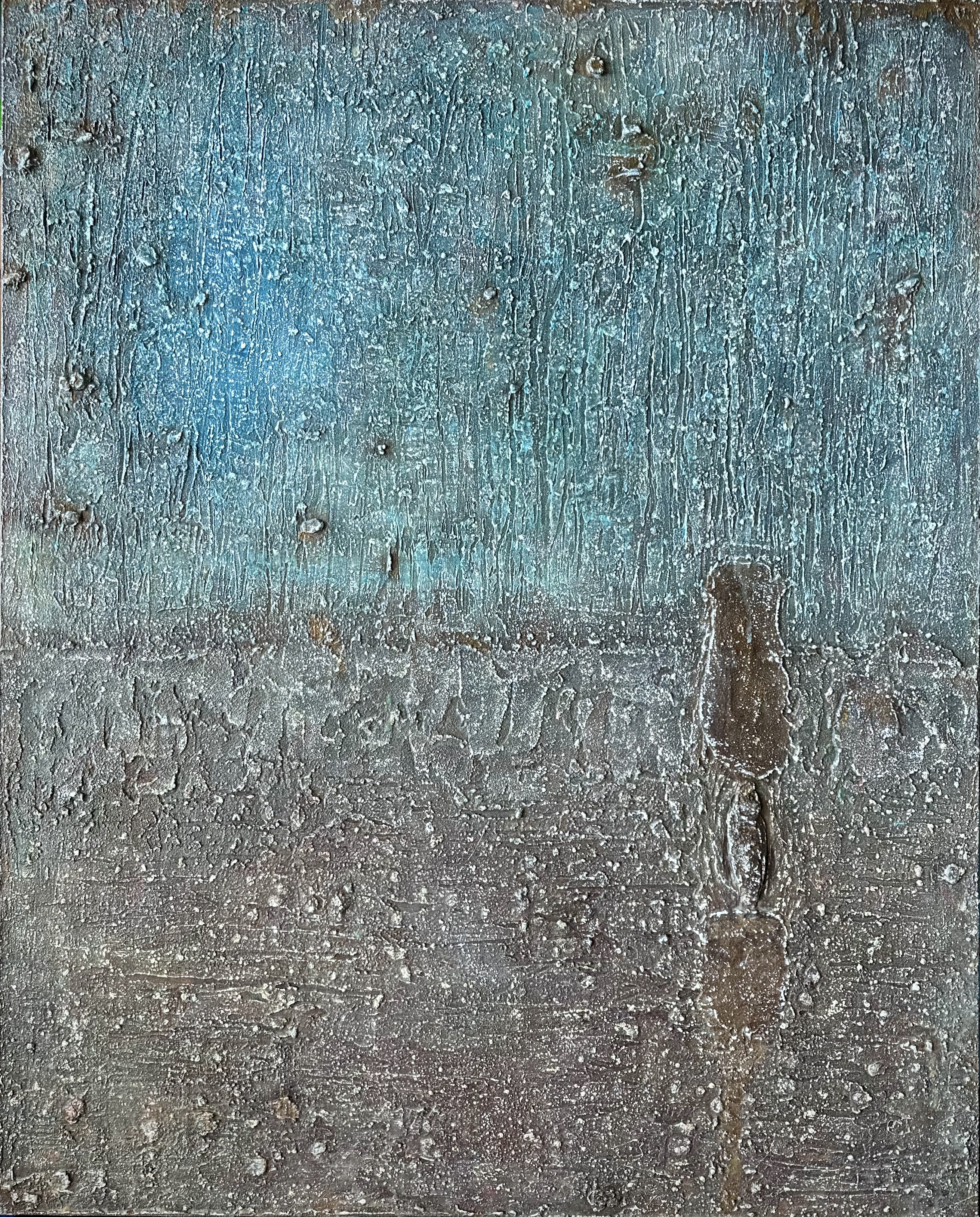
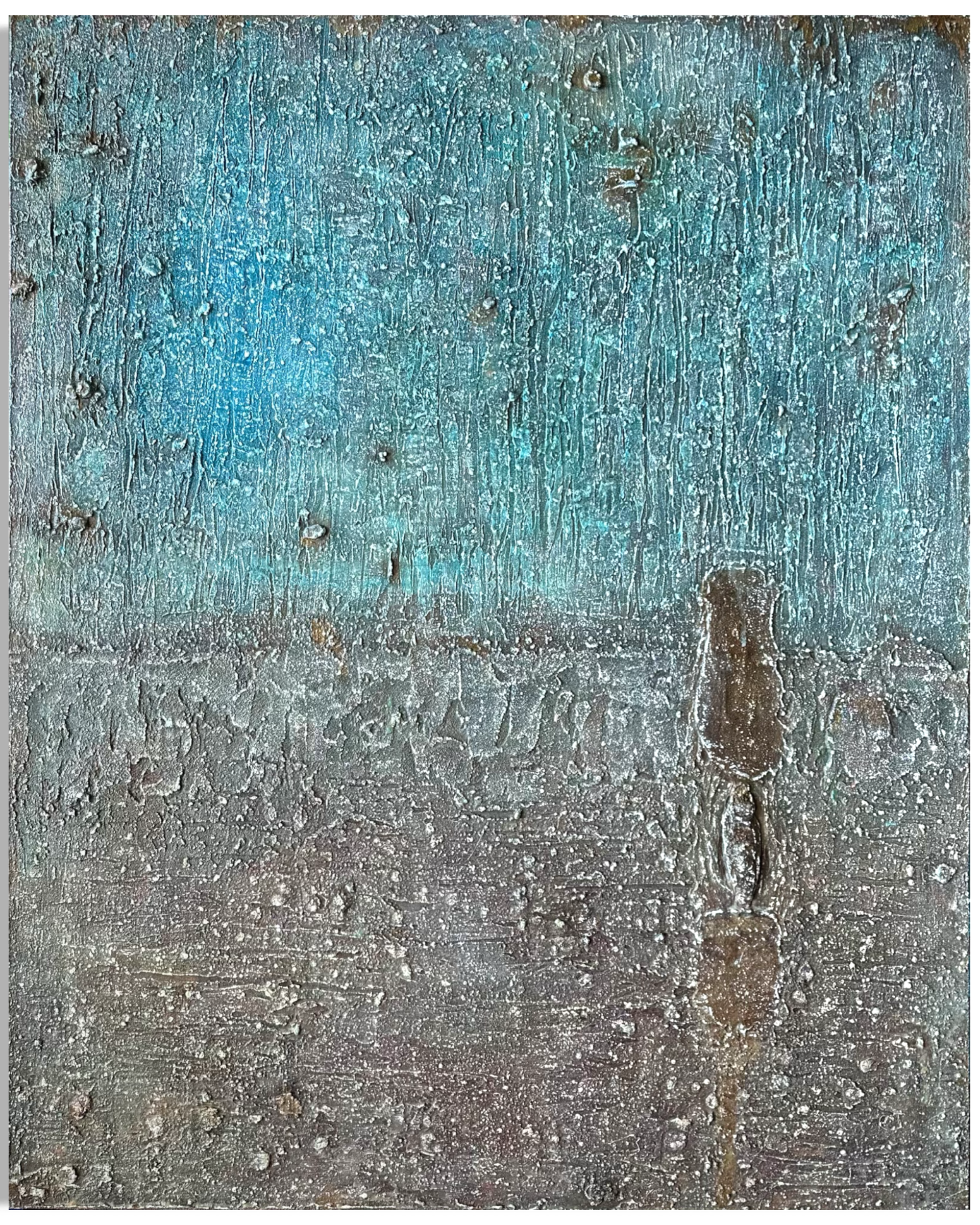
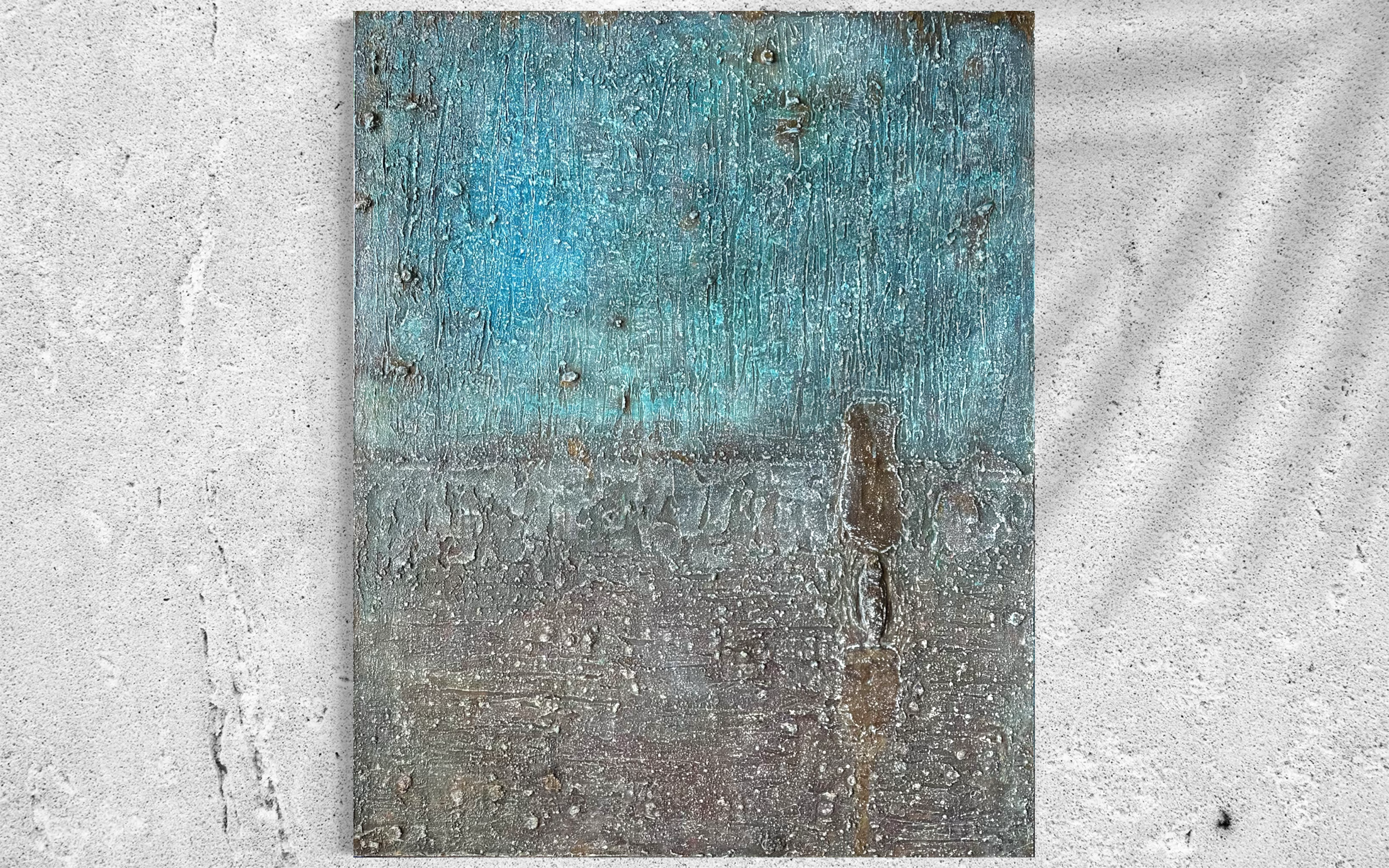
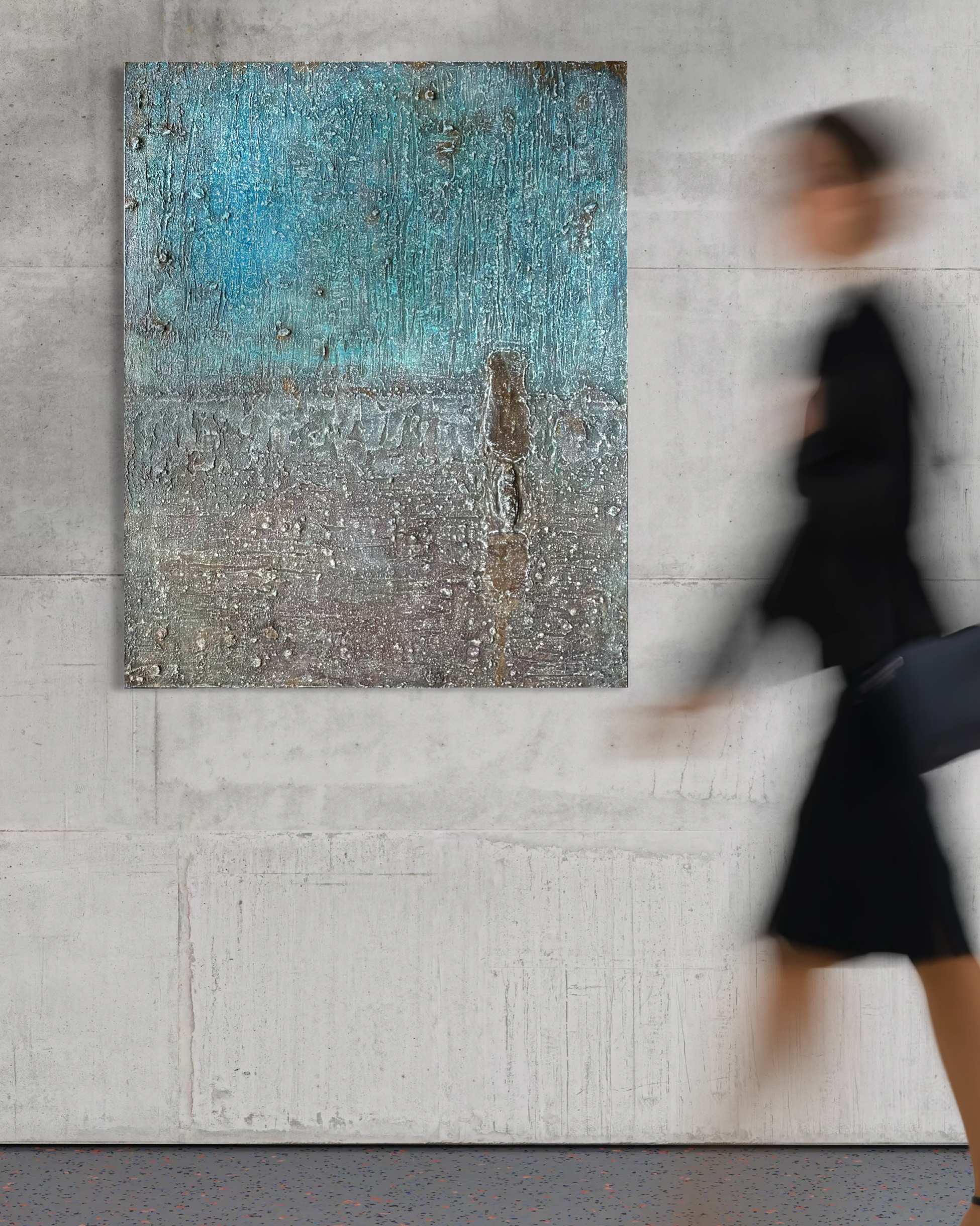
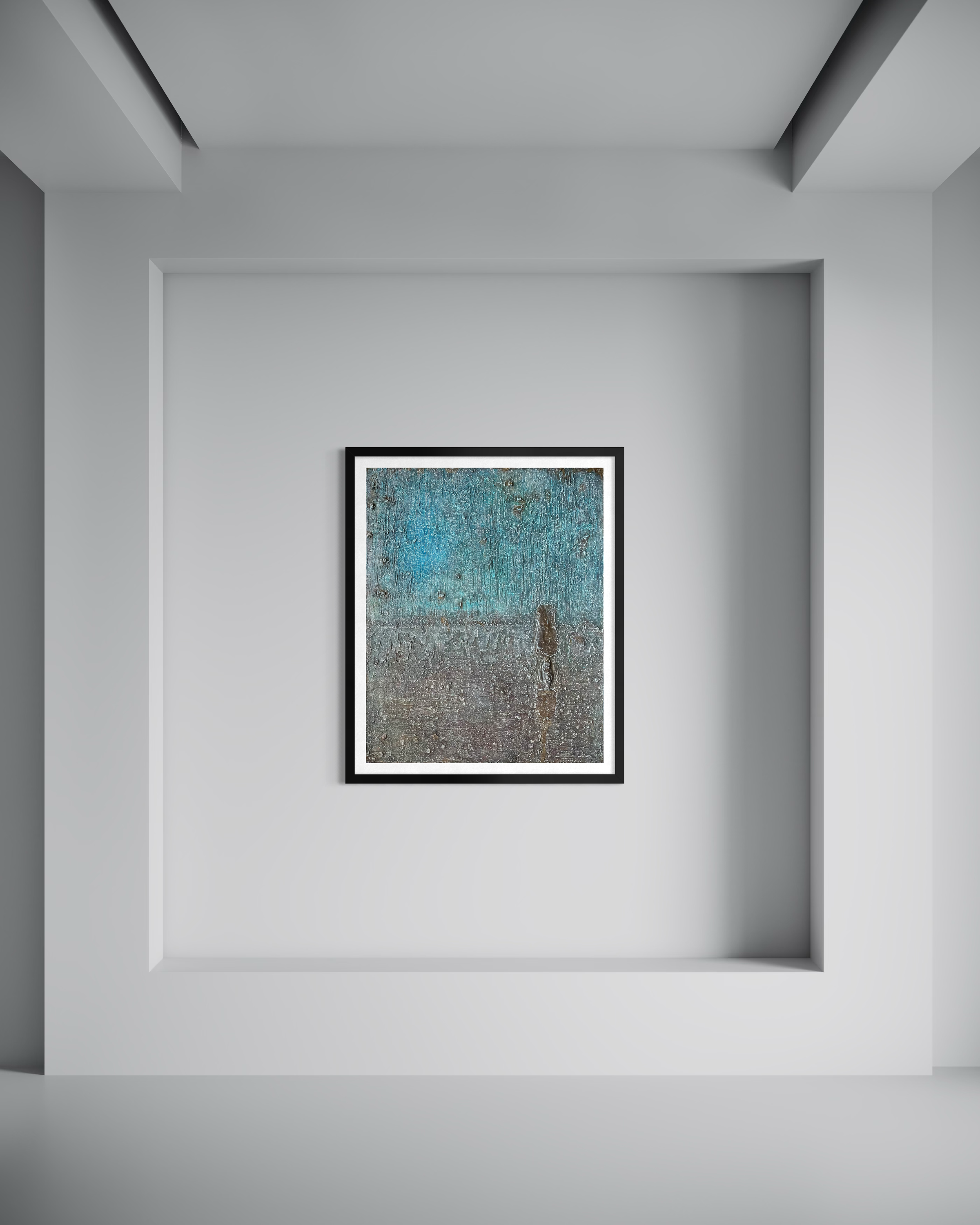
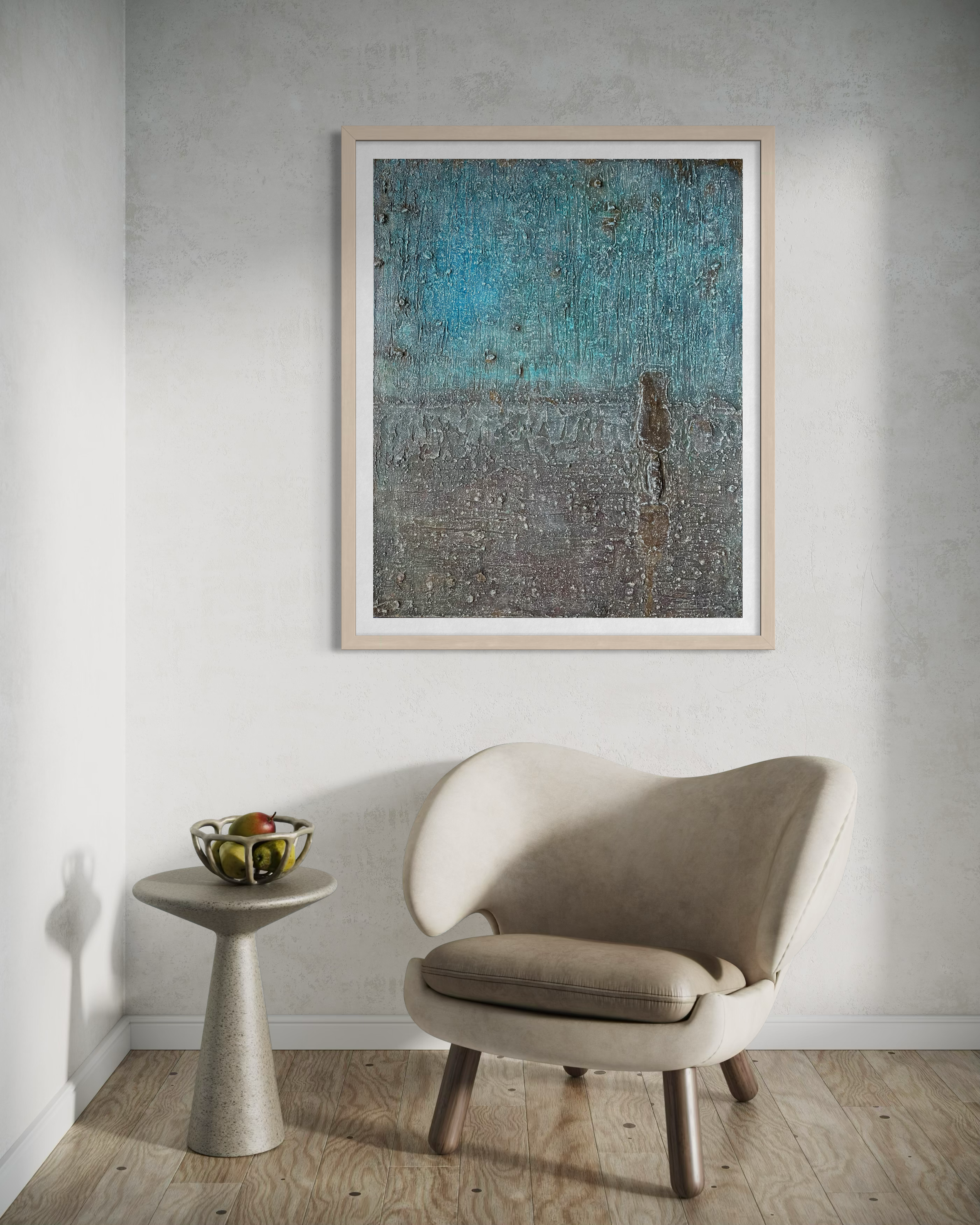
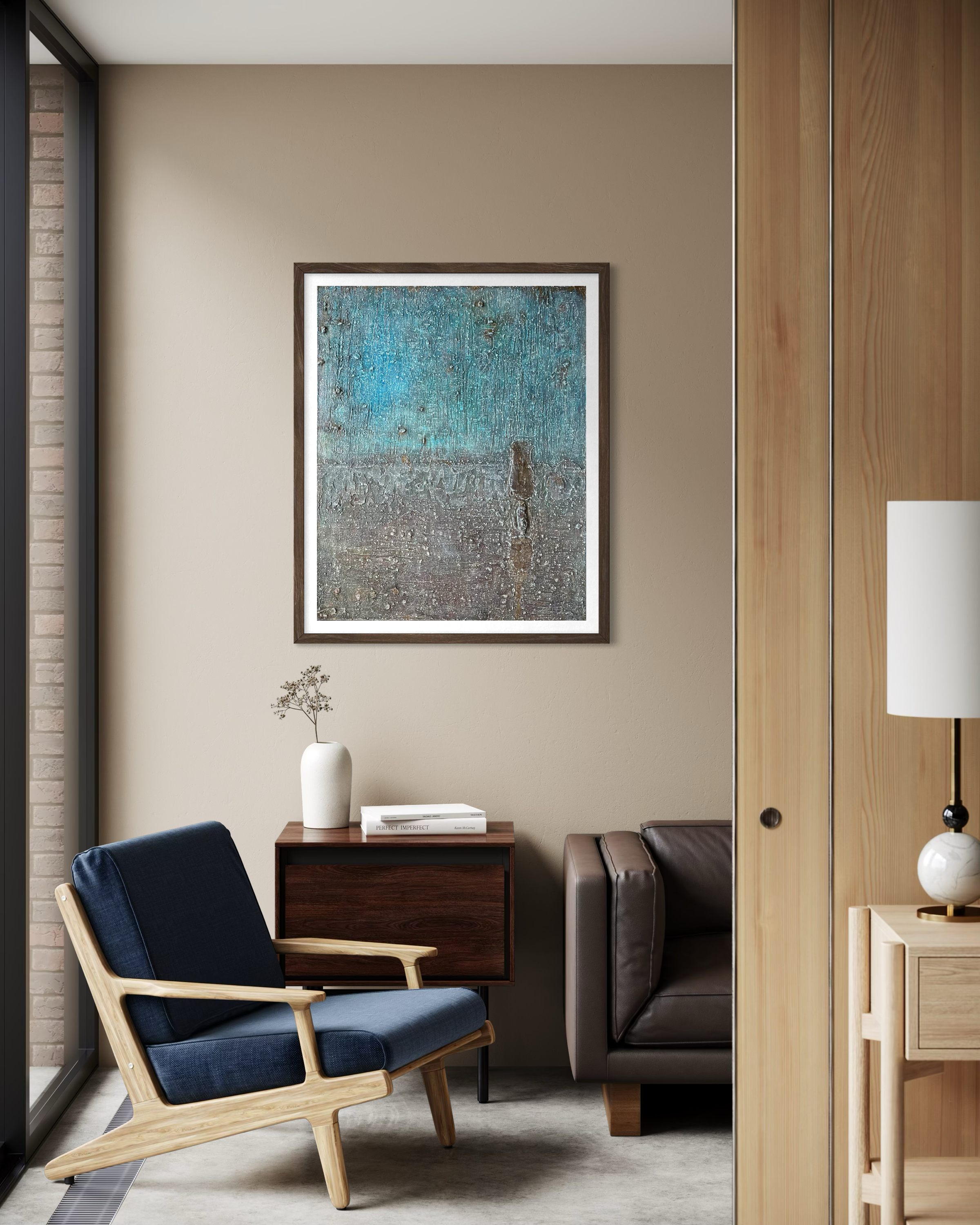
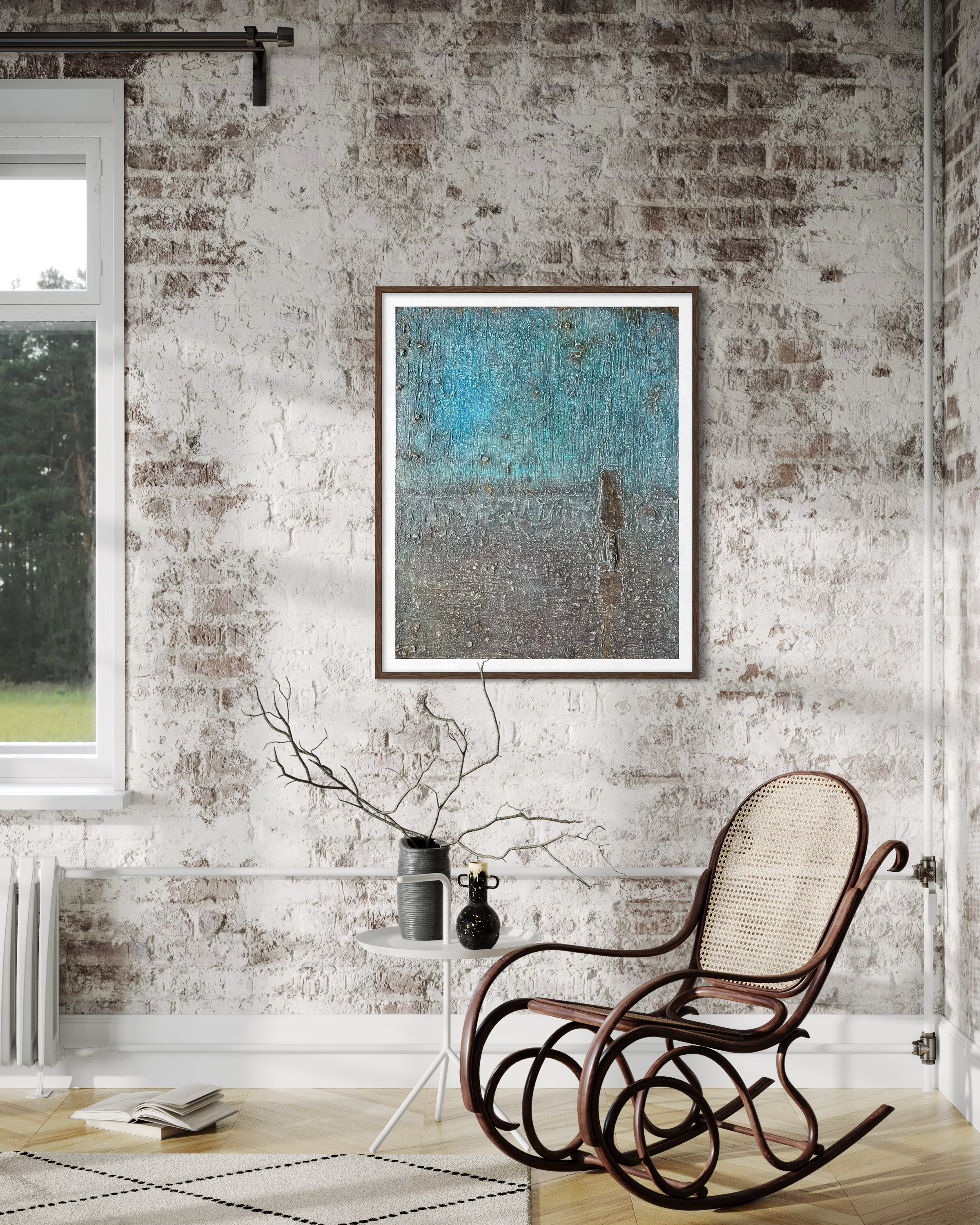
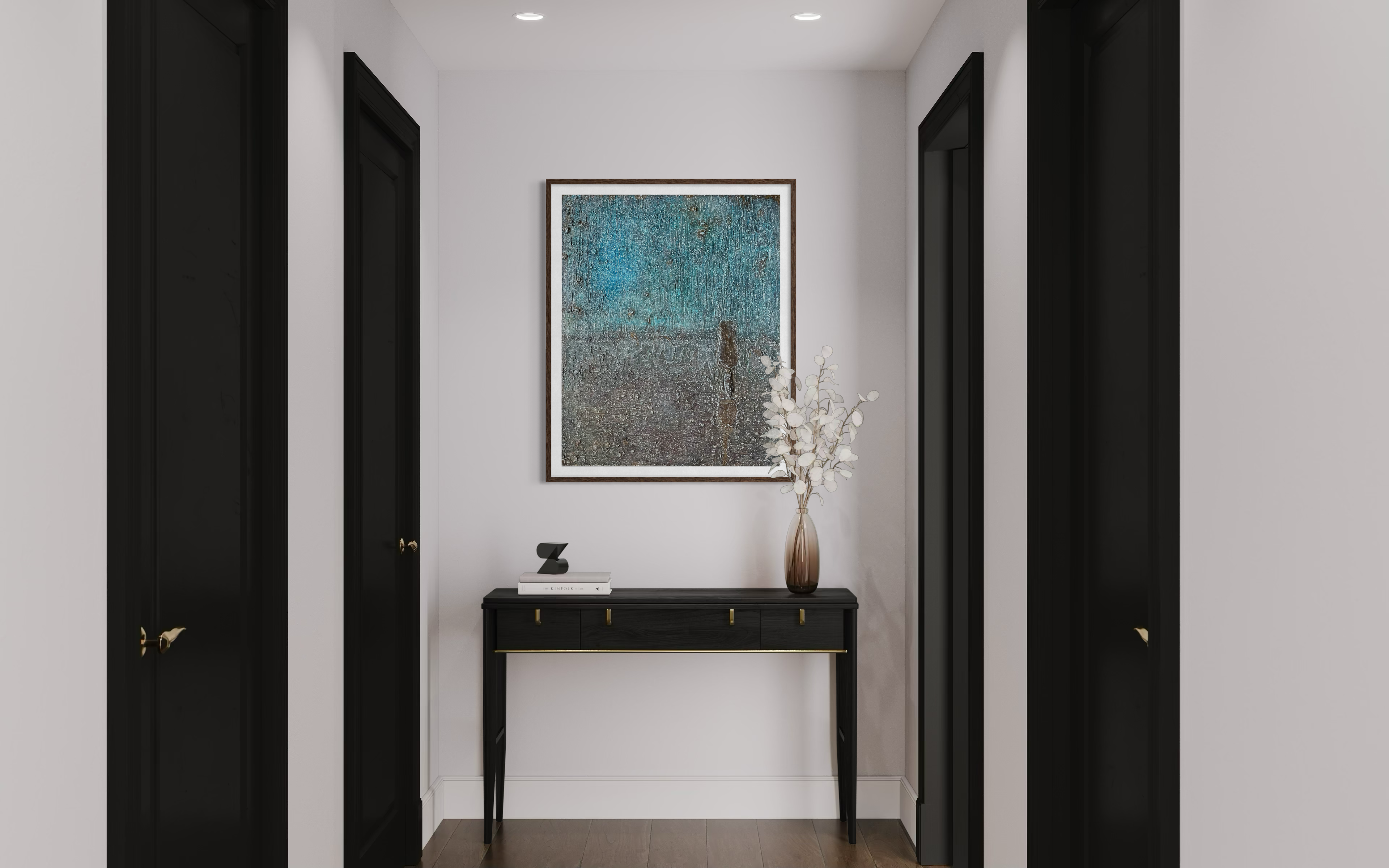
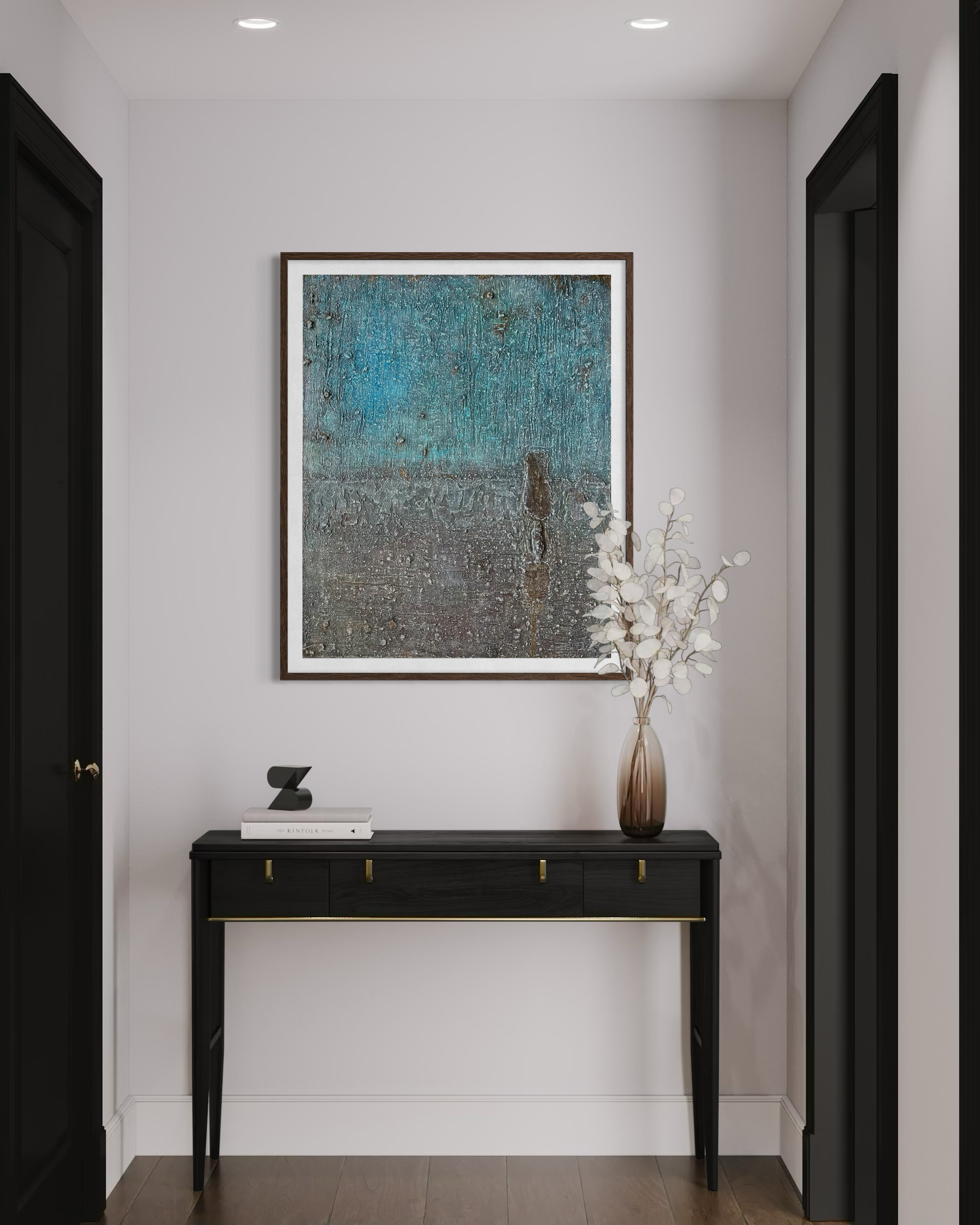
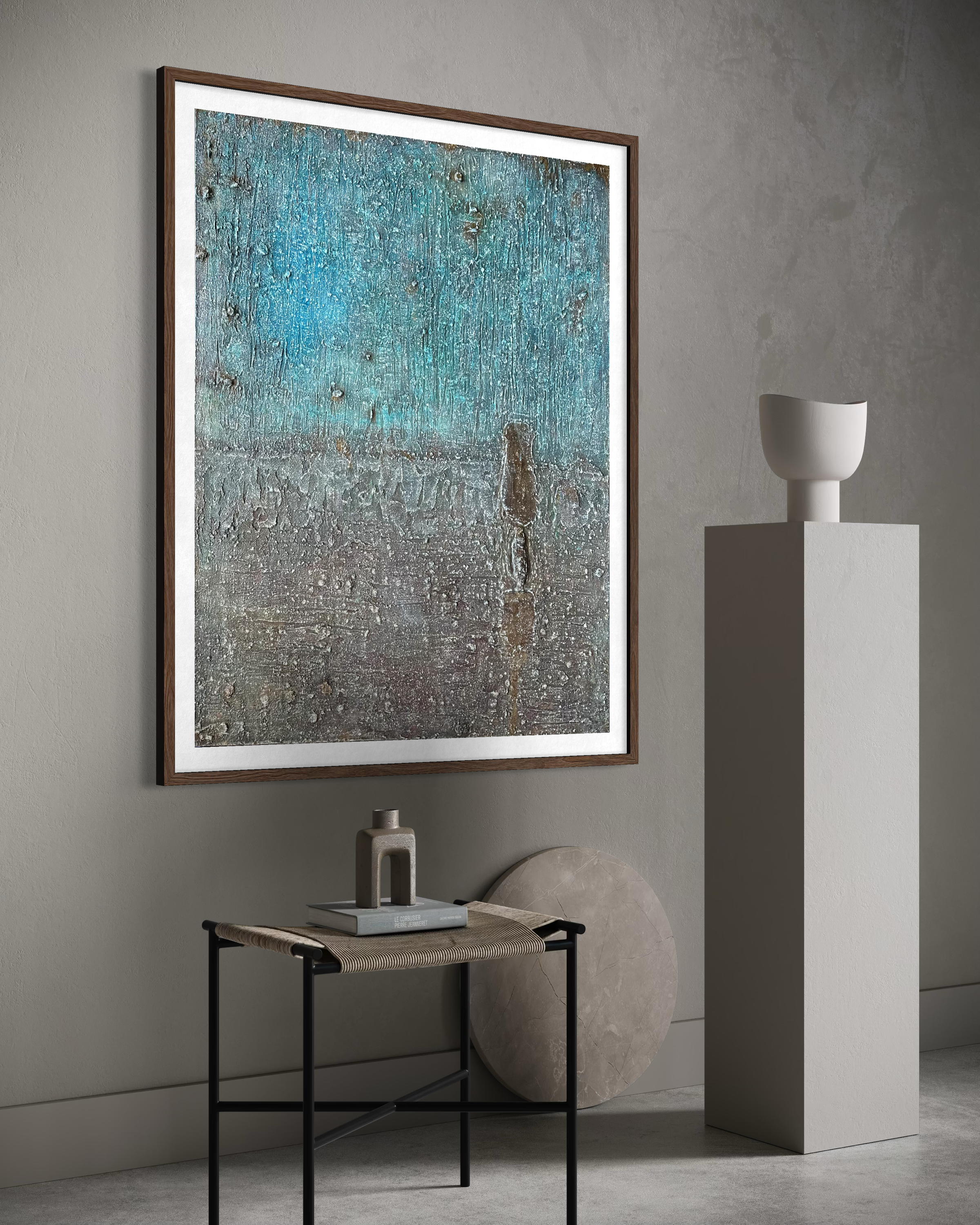
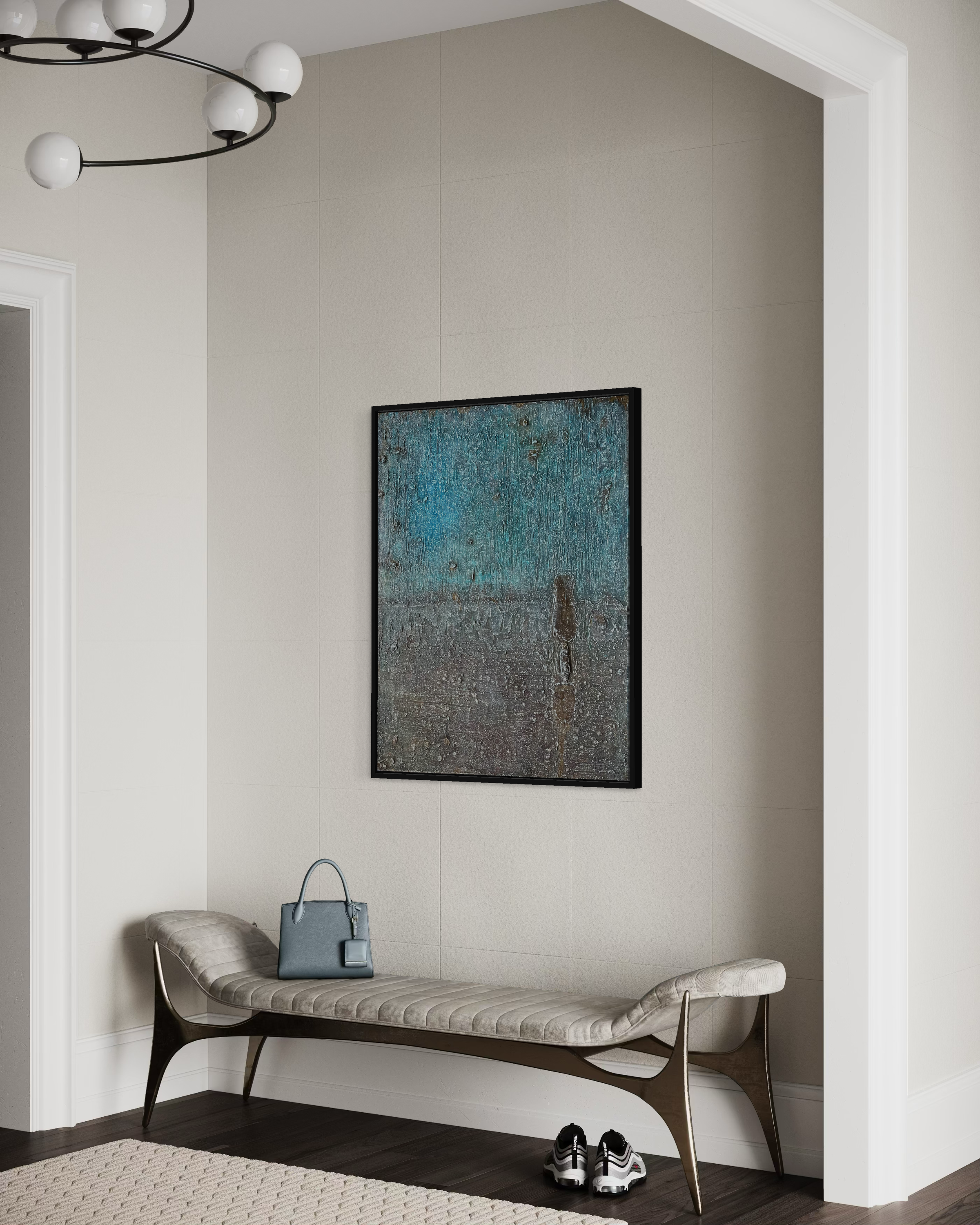
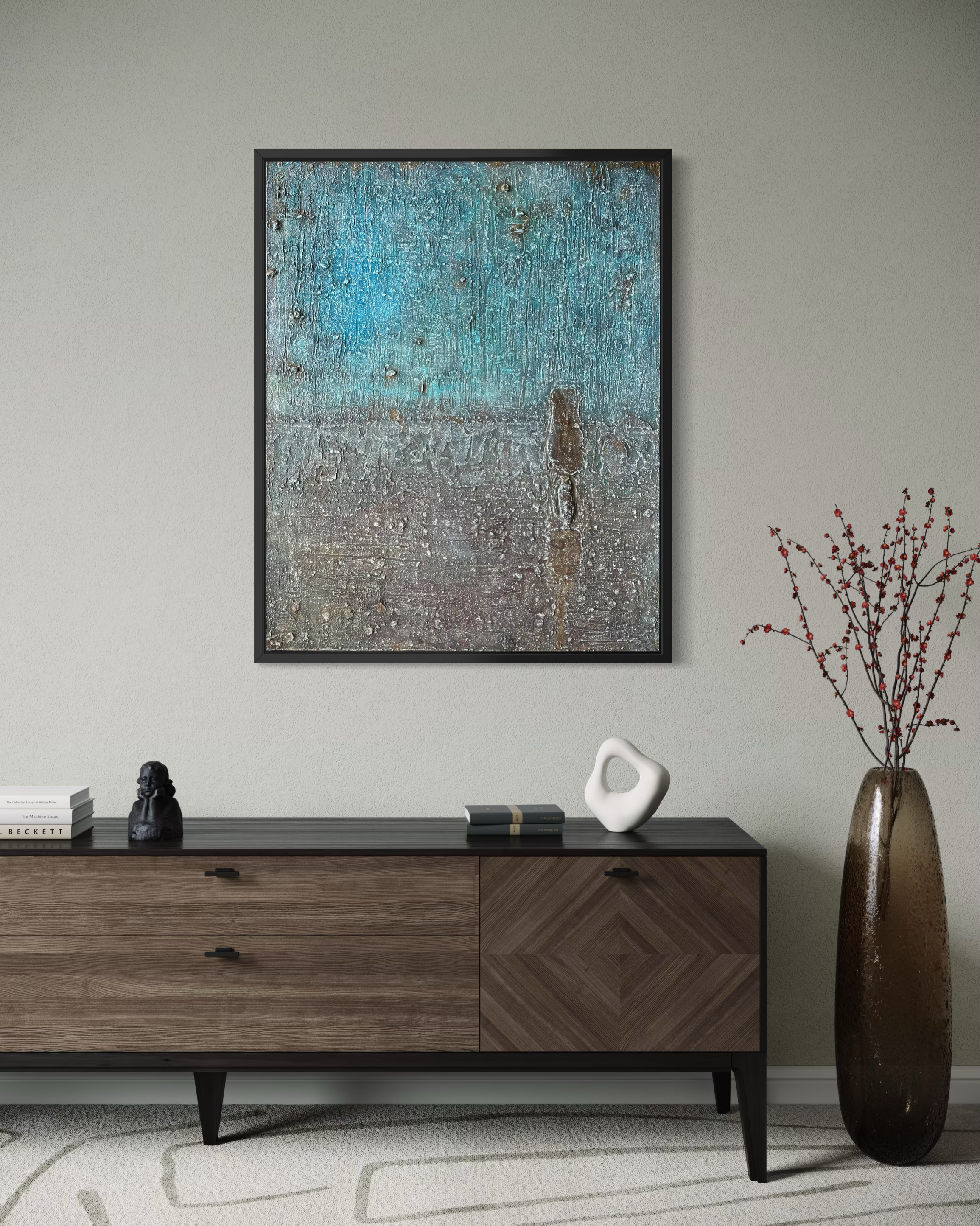
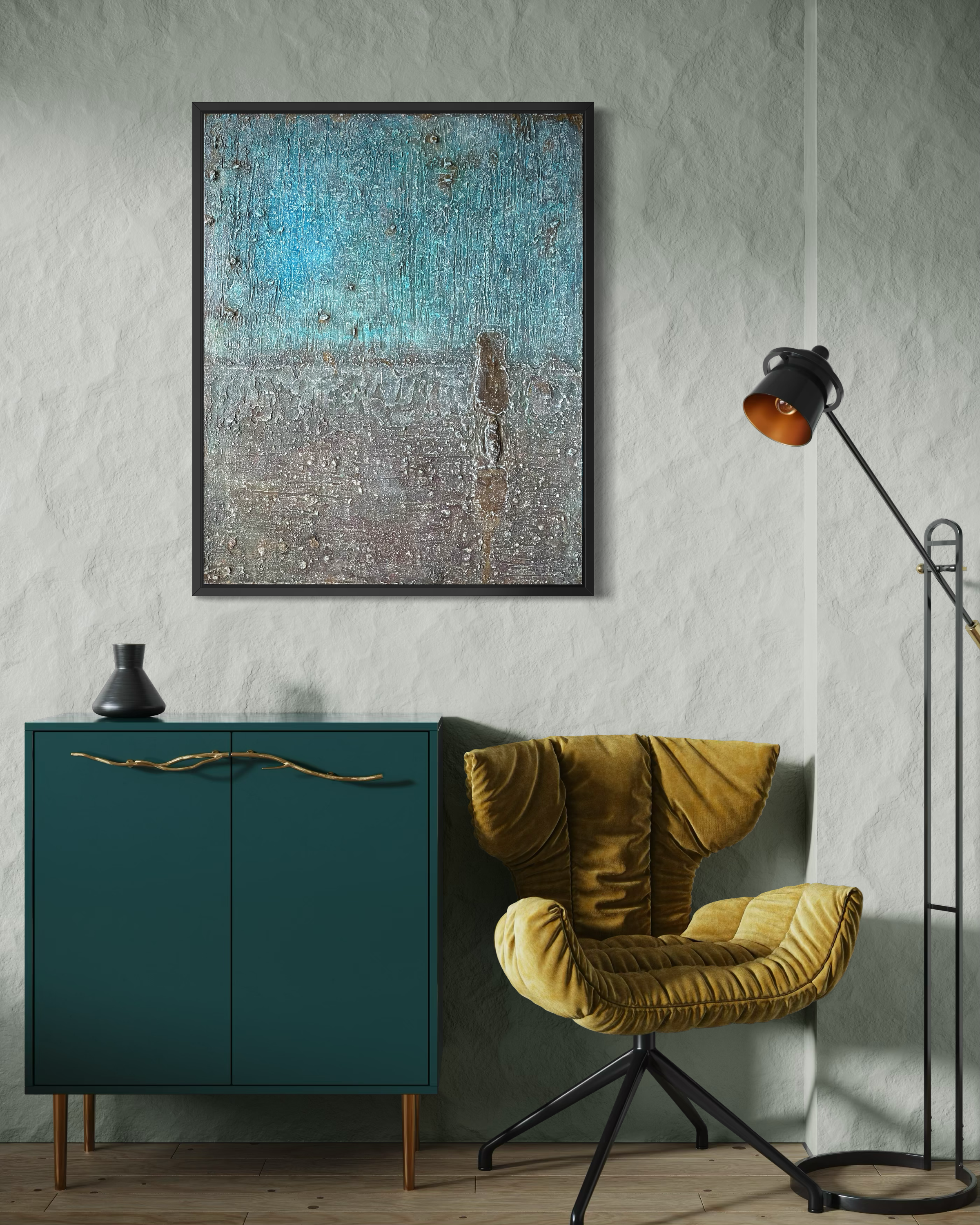
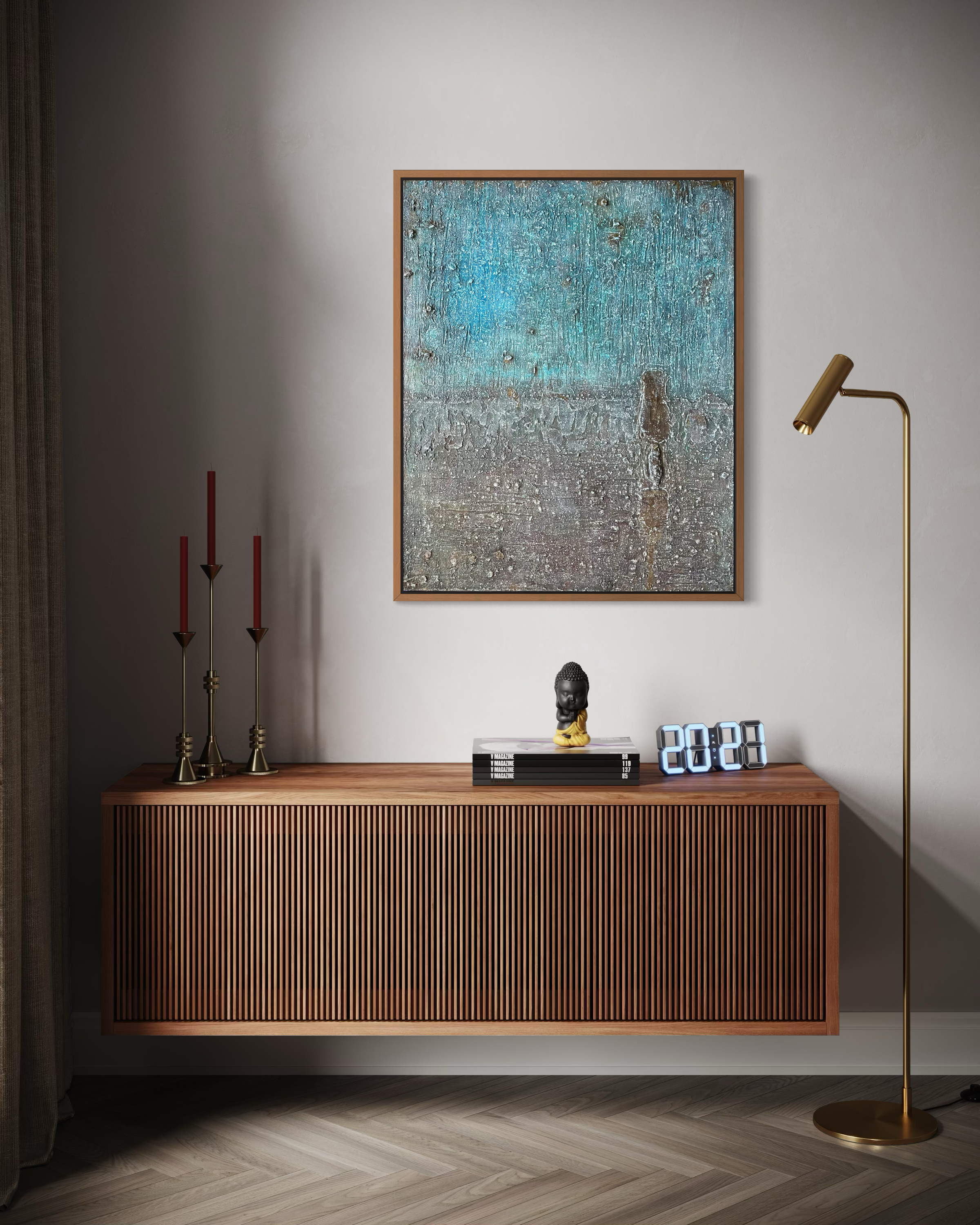
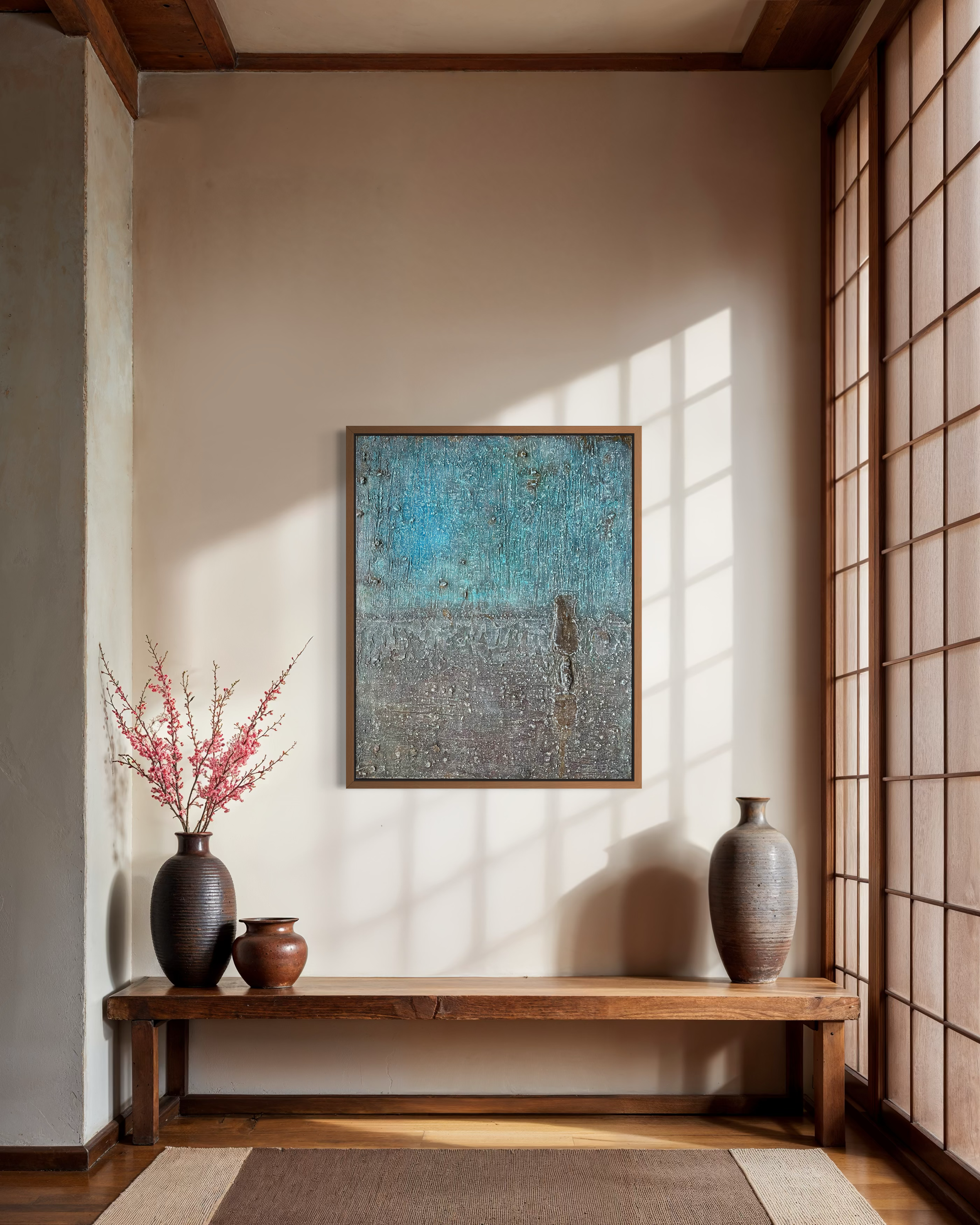
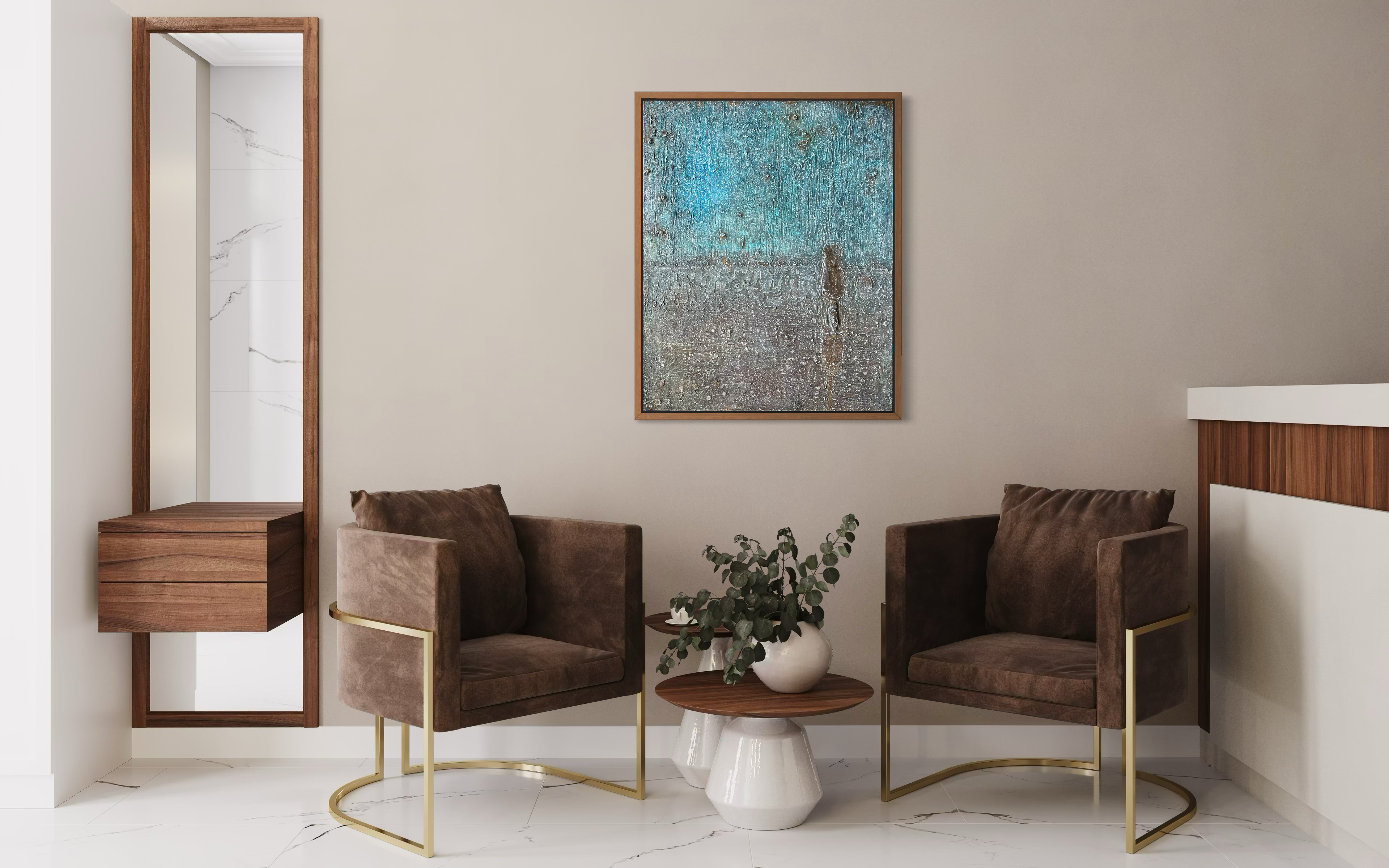
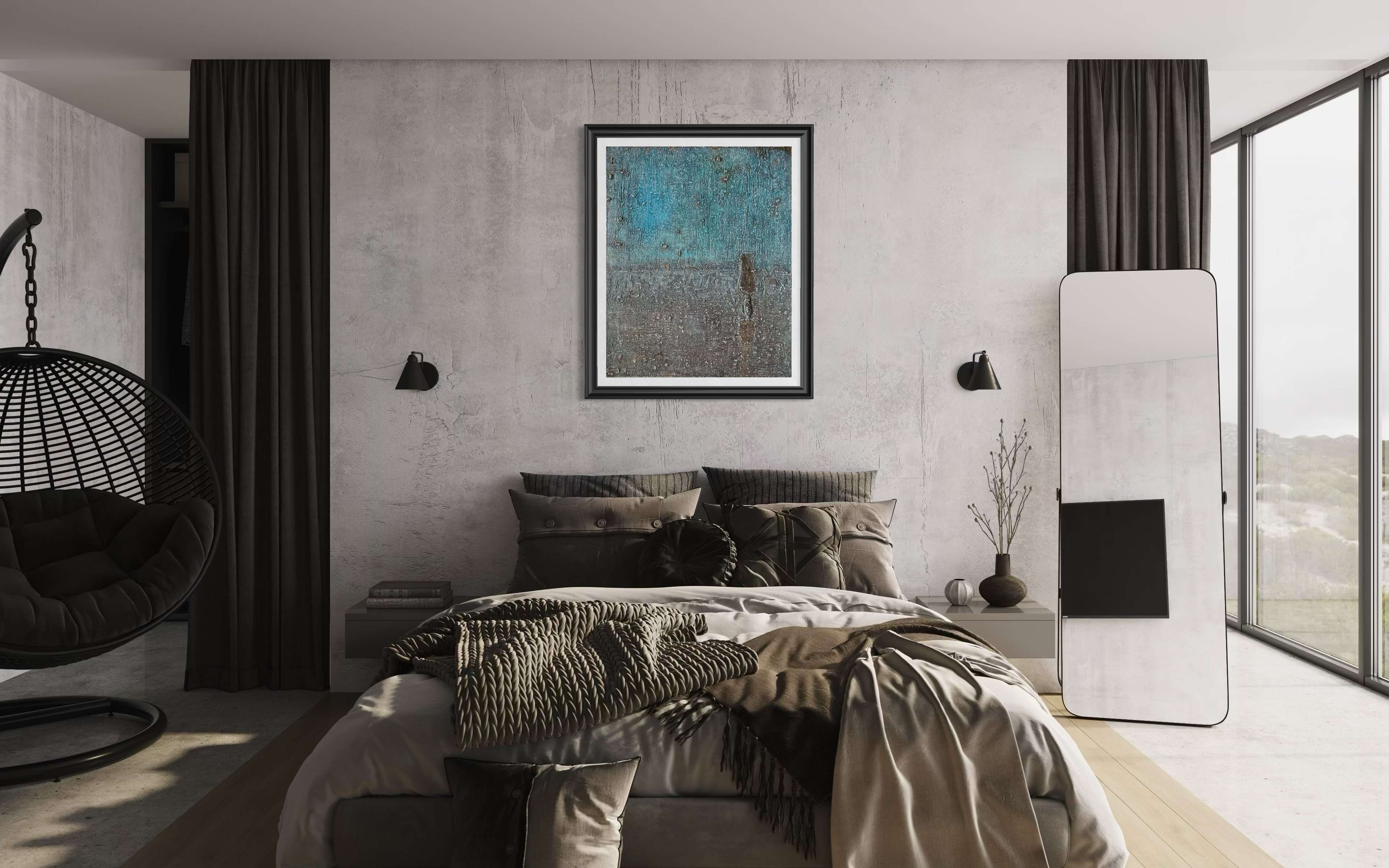
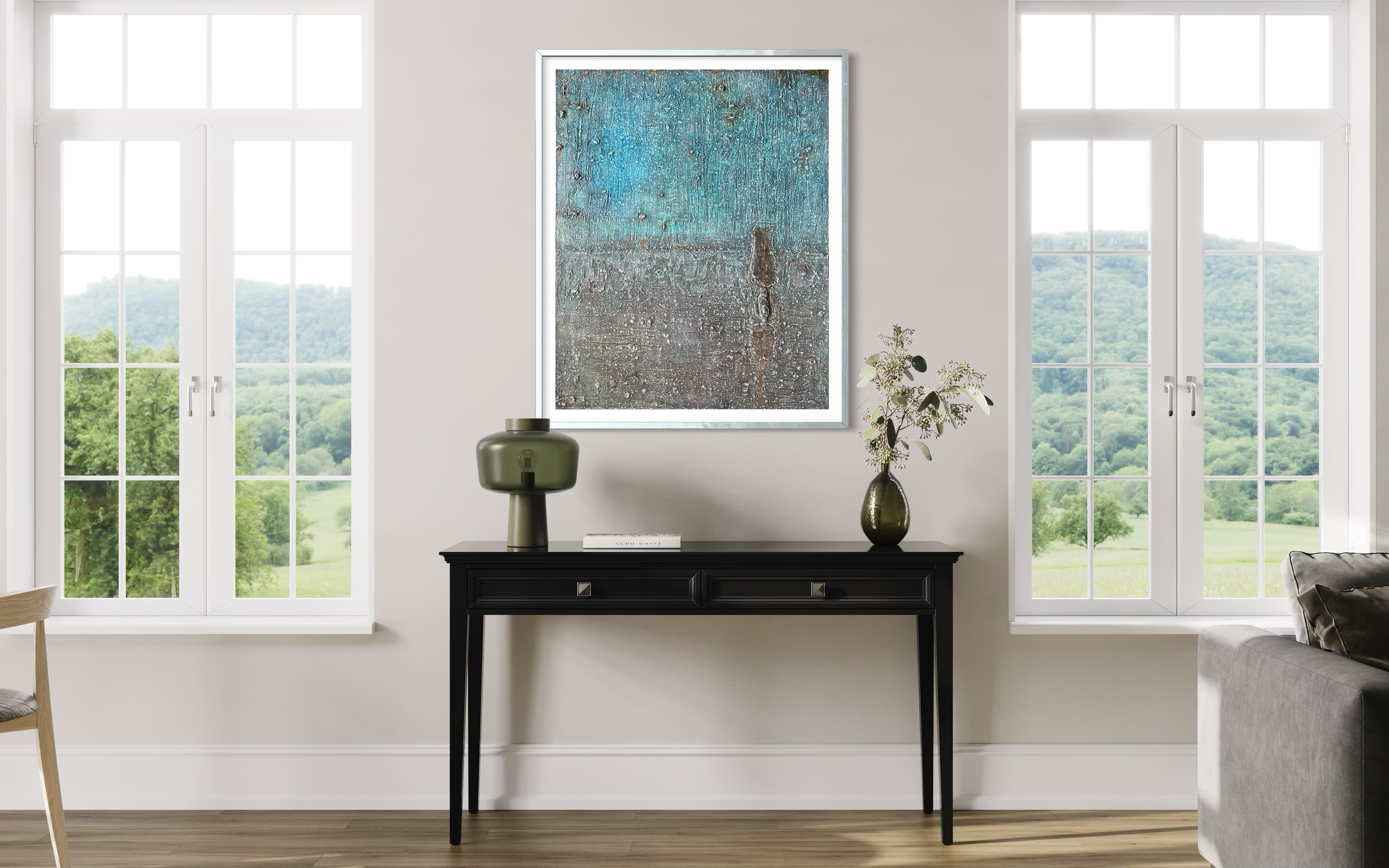
Penance (2026 Re-work)
100*80.1*2.5 F40
Mixed media on Canvas
Mediums; acrylics, medeling paste, oil pastel, coffee grounds, sand, dried large anchovy
https://jonathank.tistory.com
https://www.singulart.com/en/artworks/kim-jun-sung-penance-2585335
Existing as an irreplicable singularity up close, and as an indistinguishable haze from a distance.
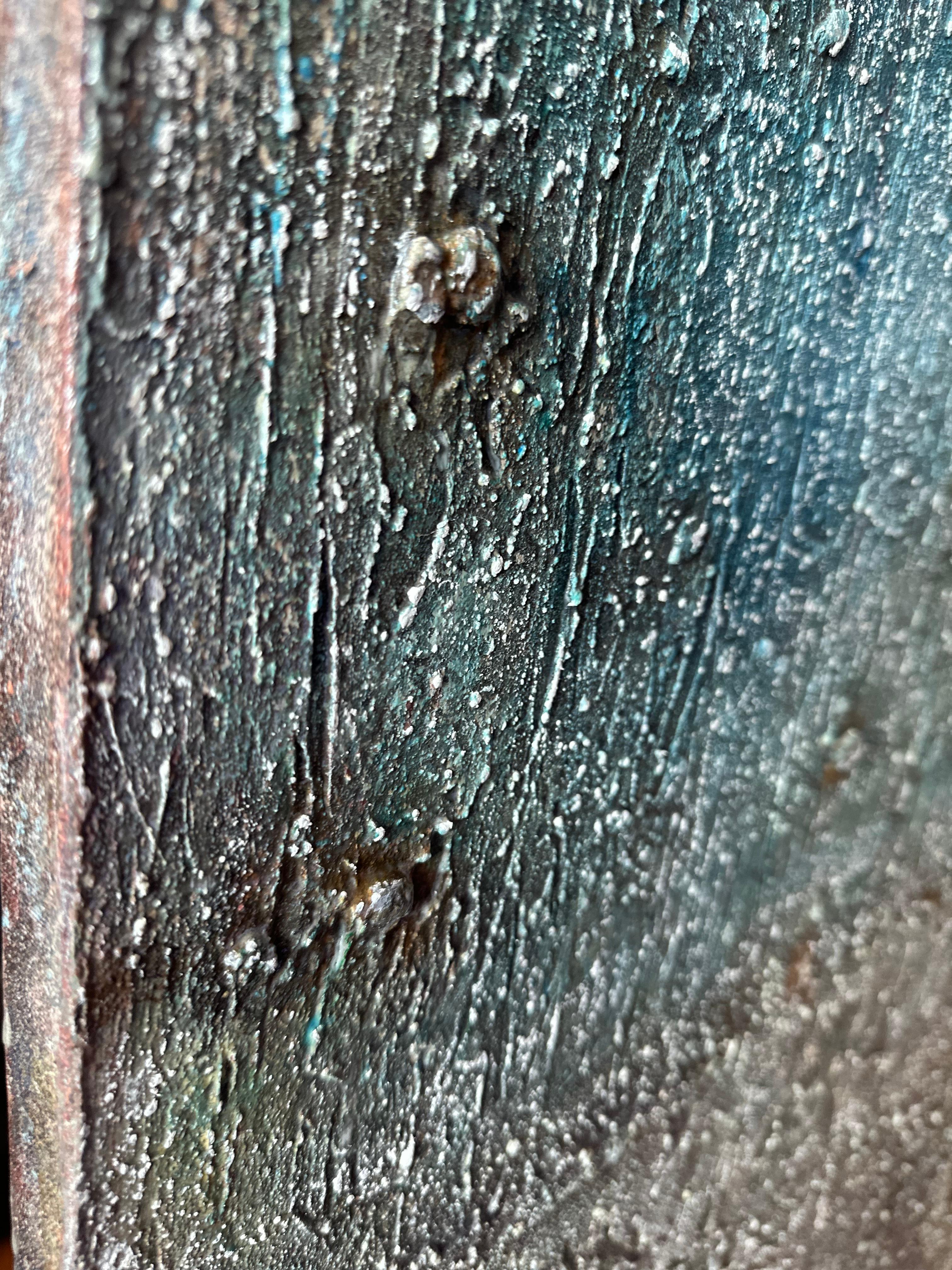
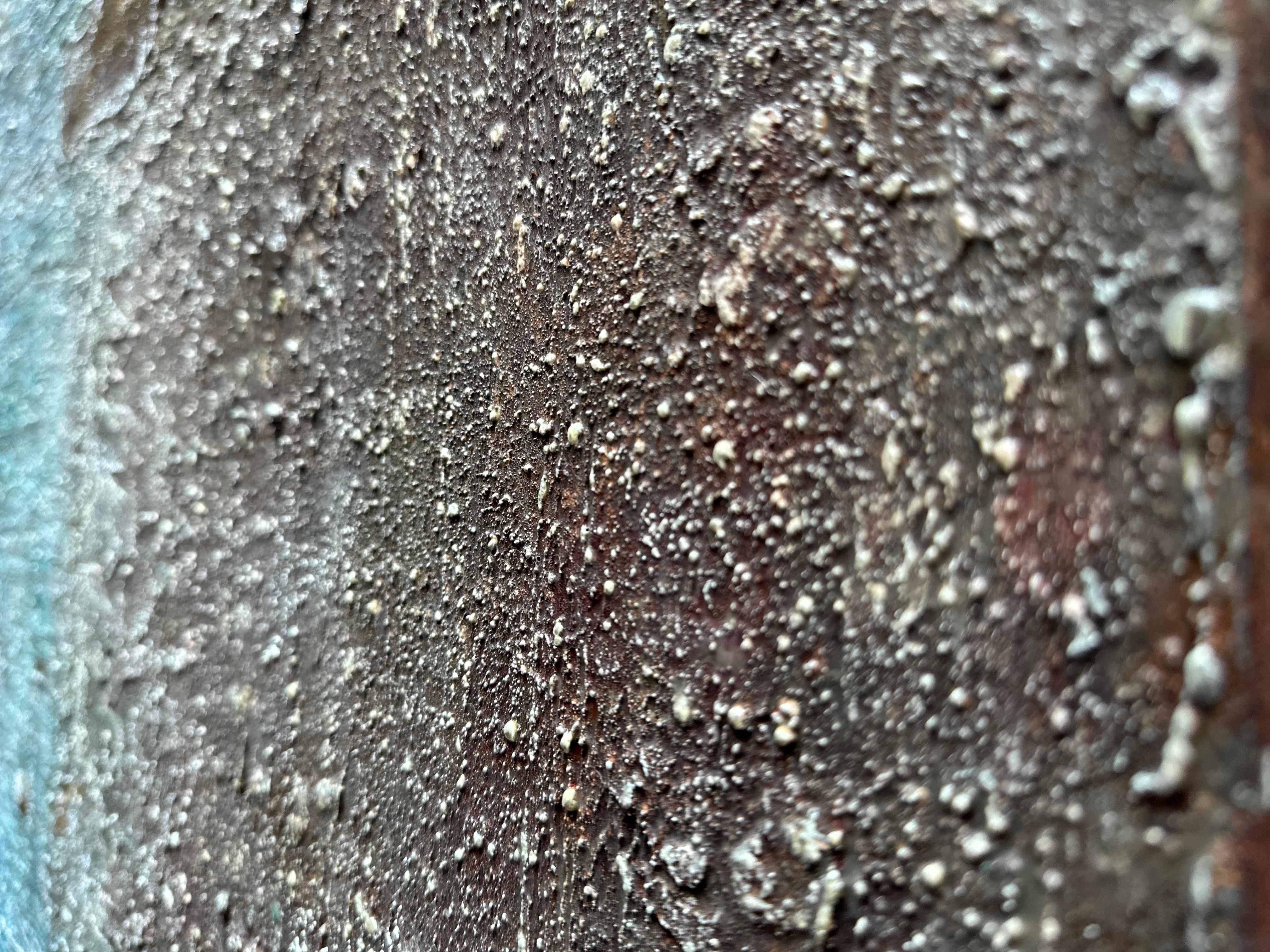
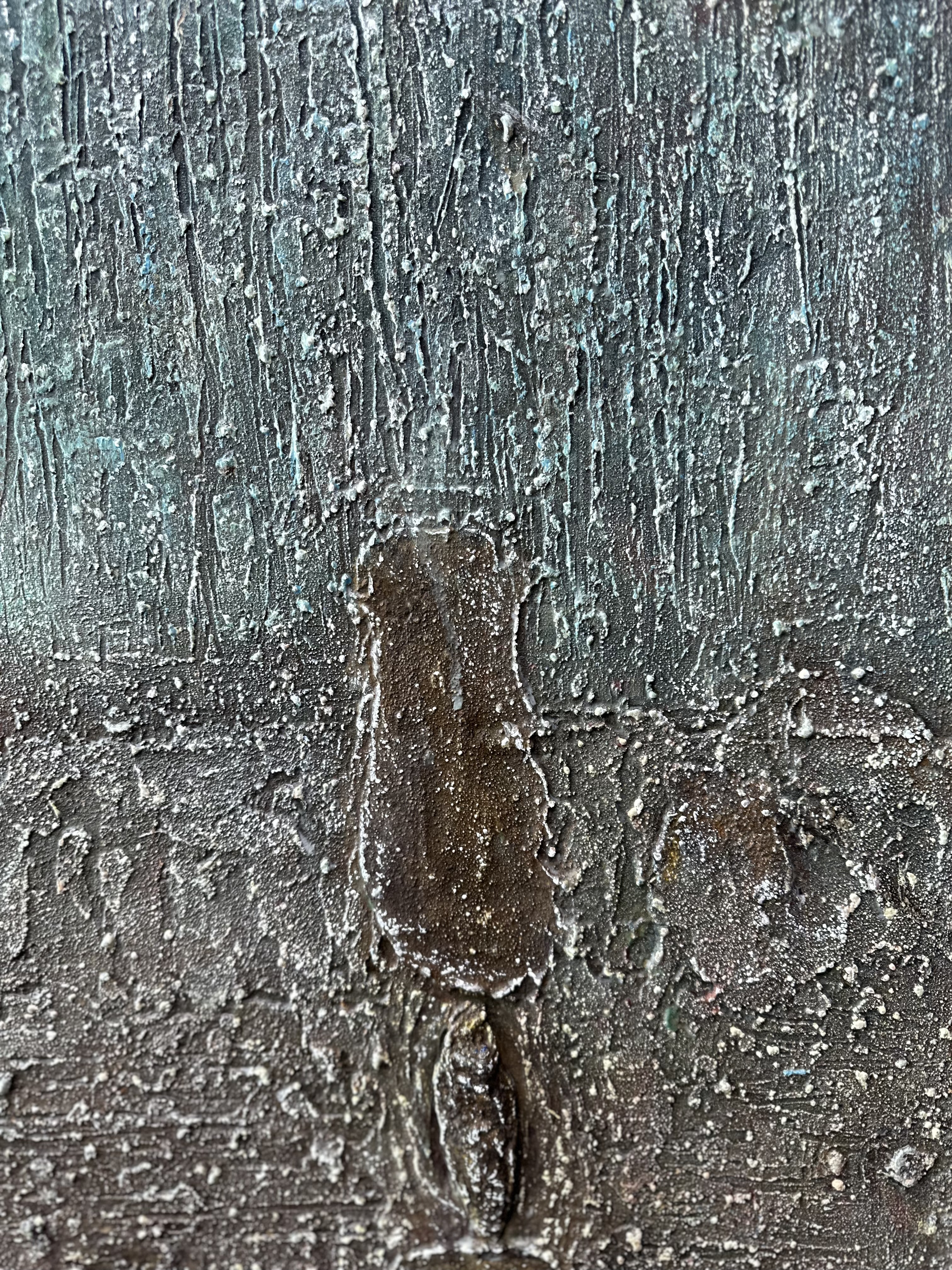
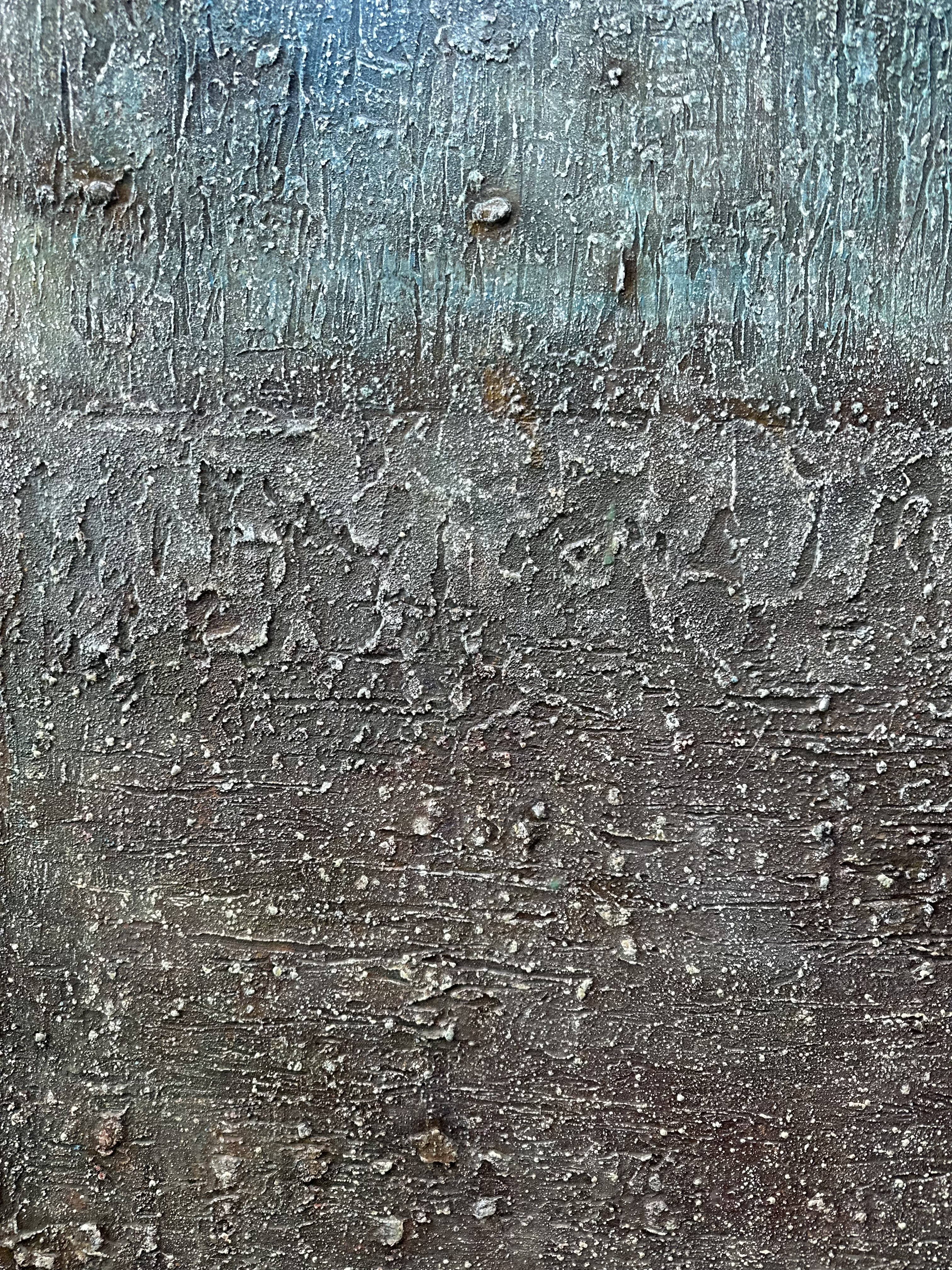
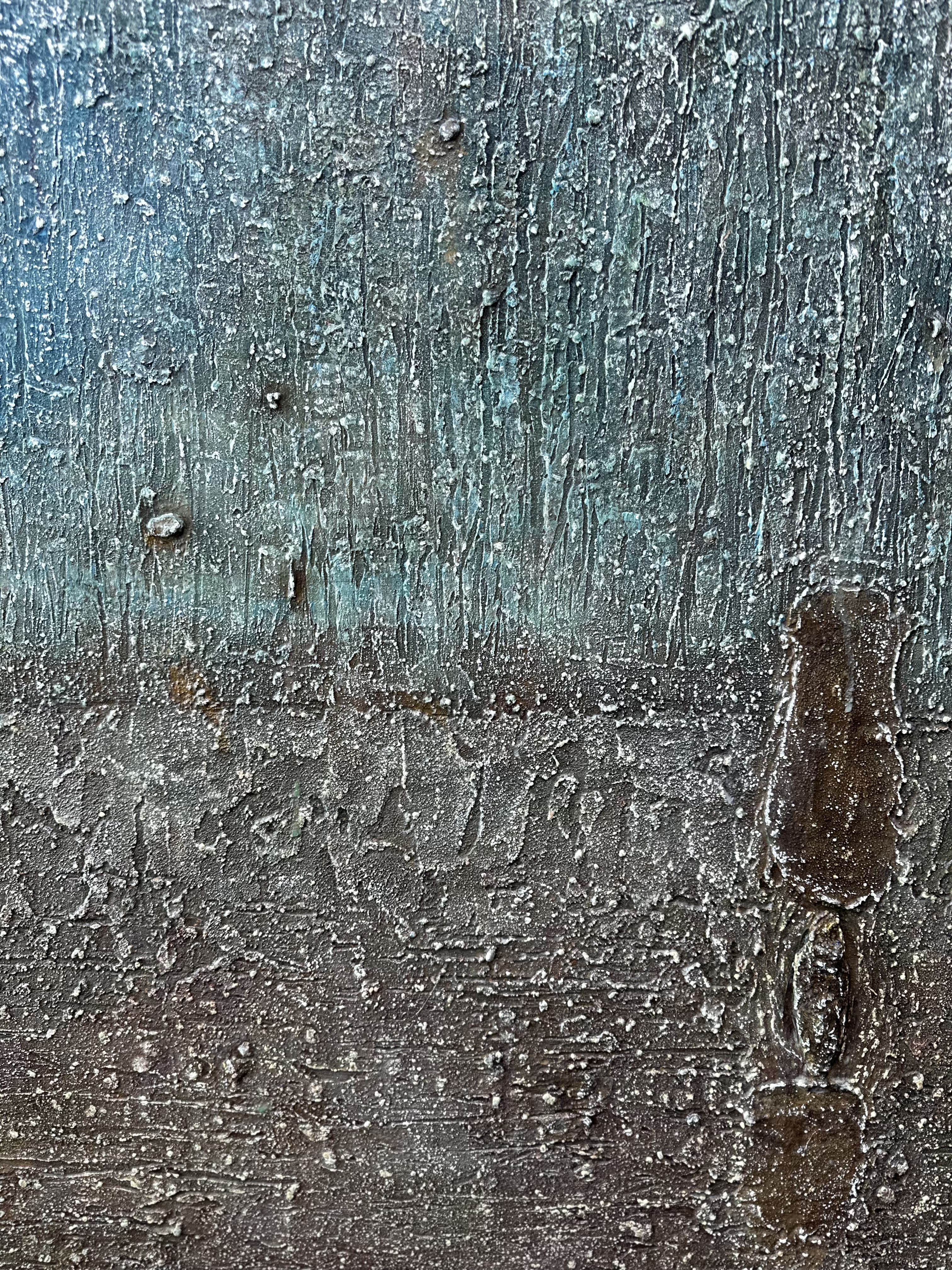
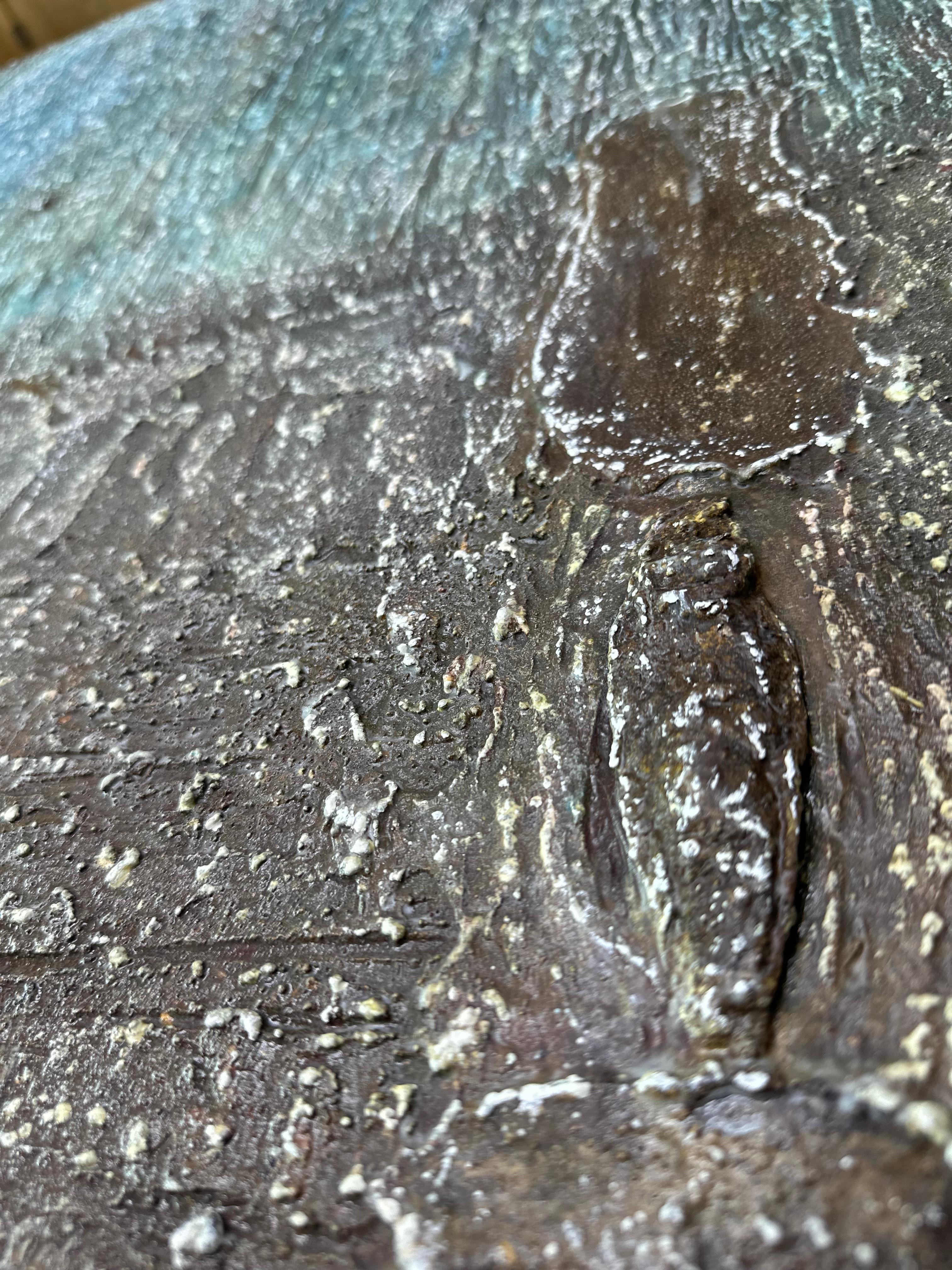
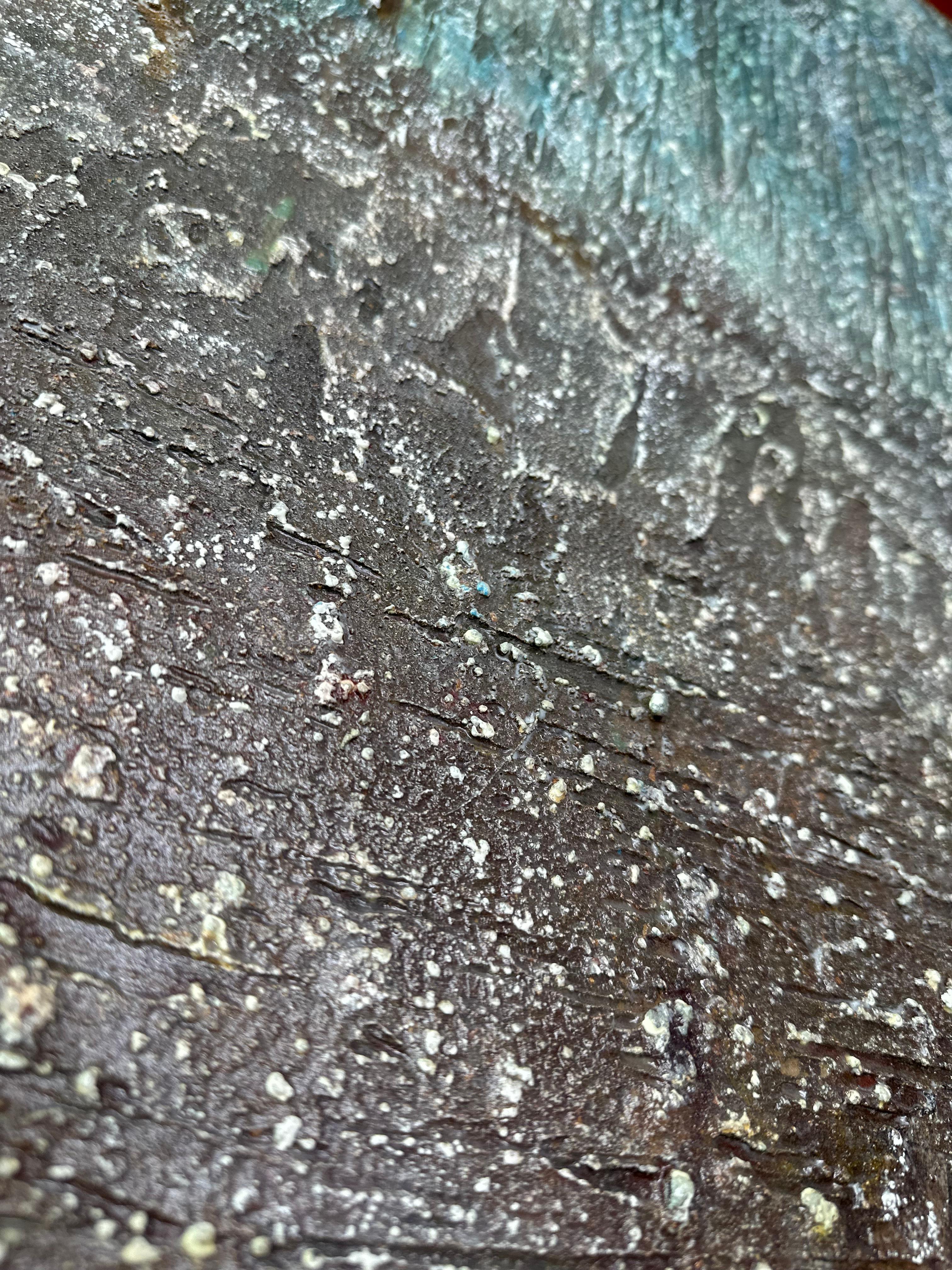
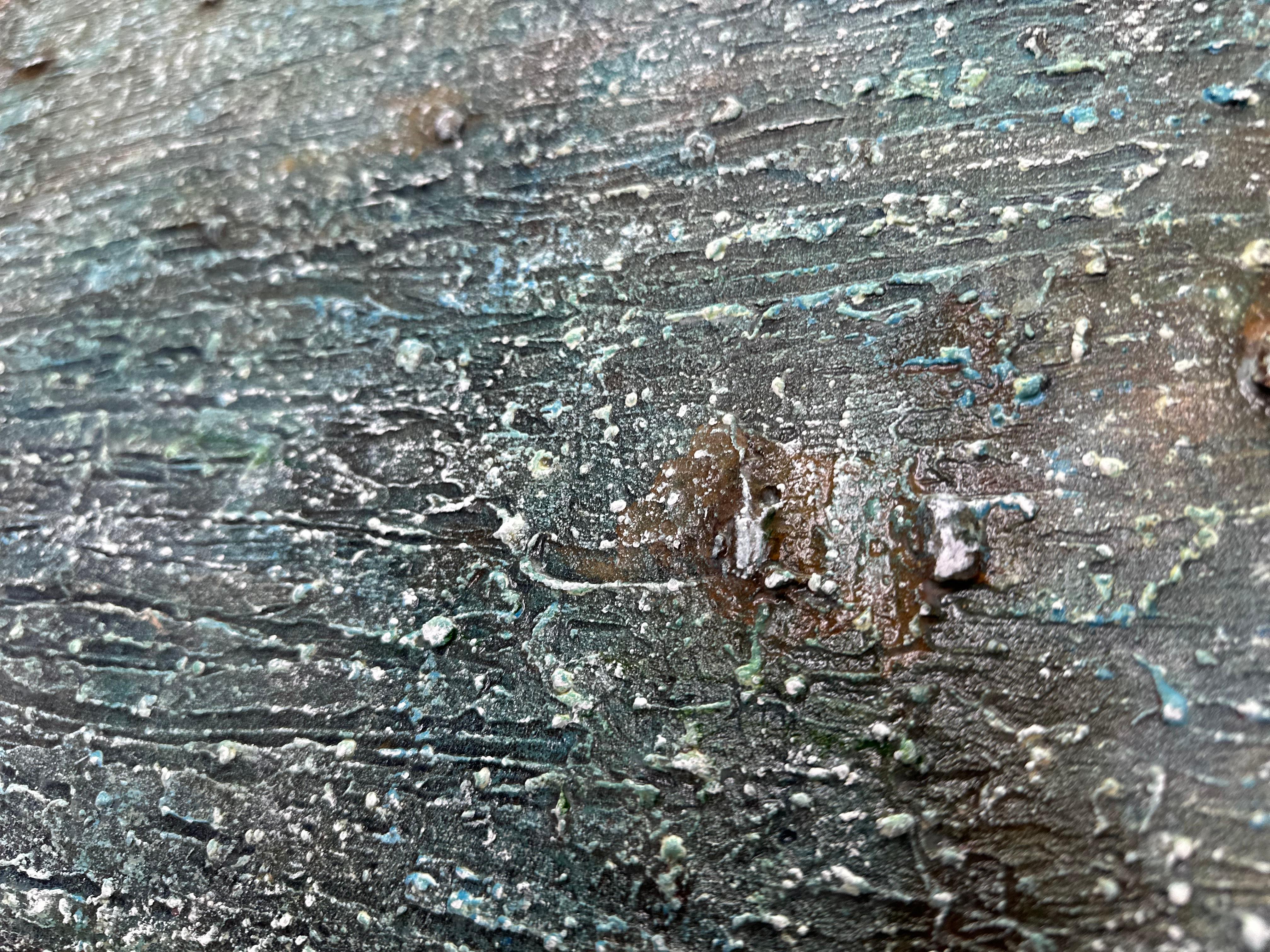
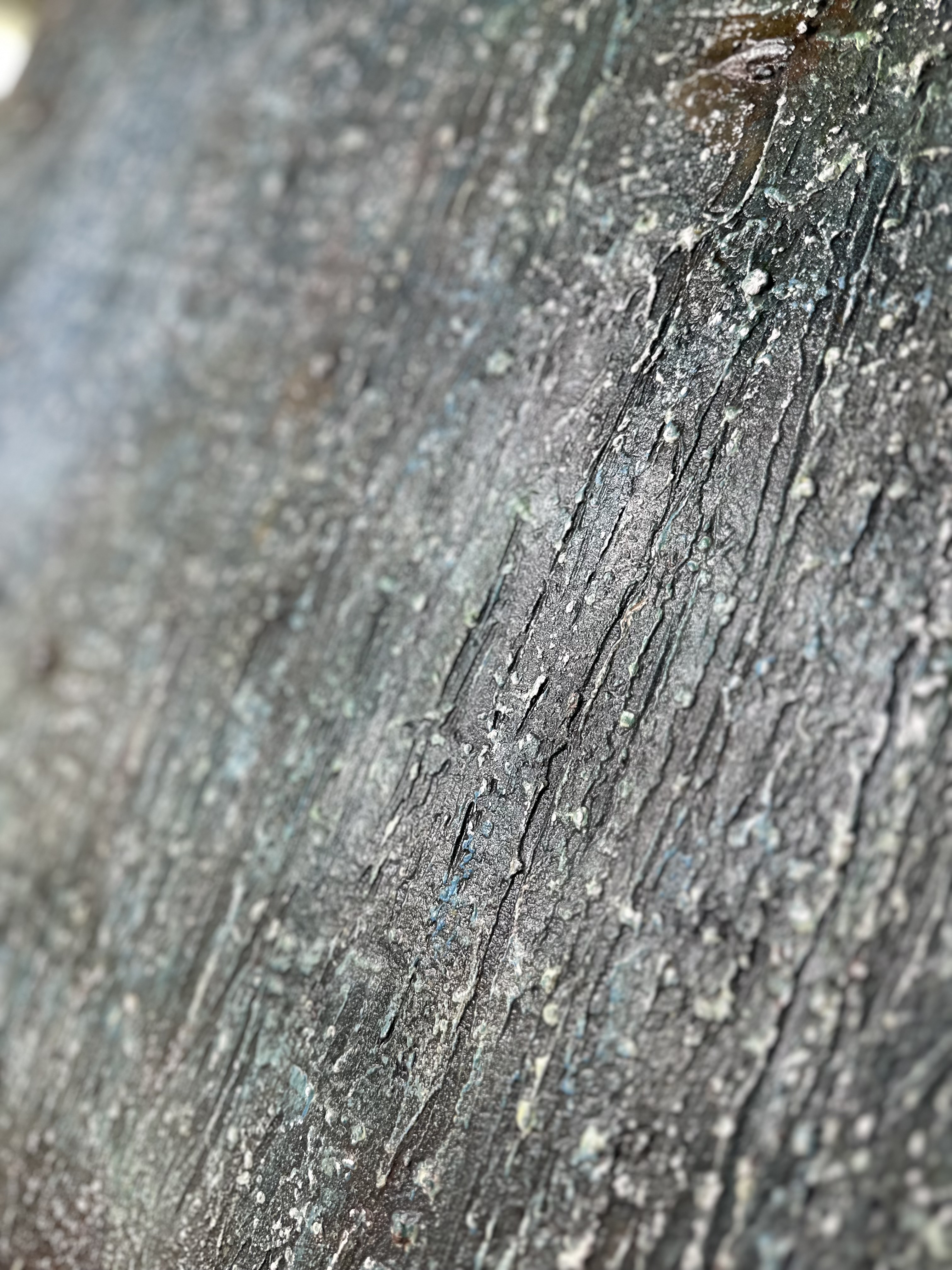
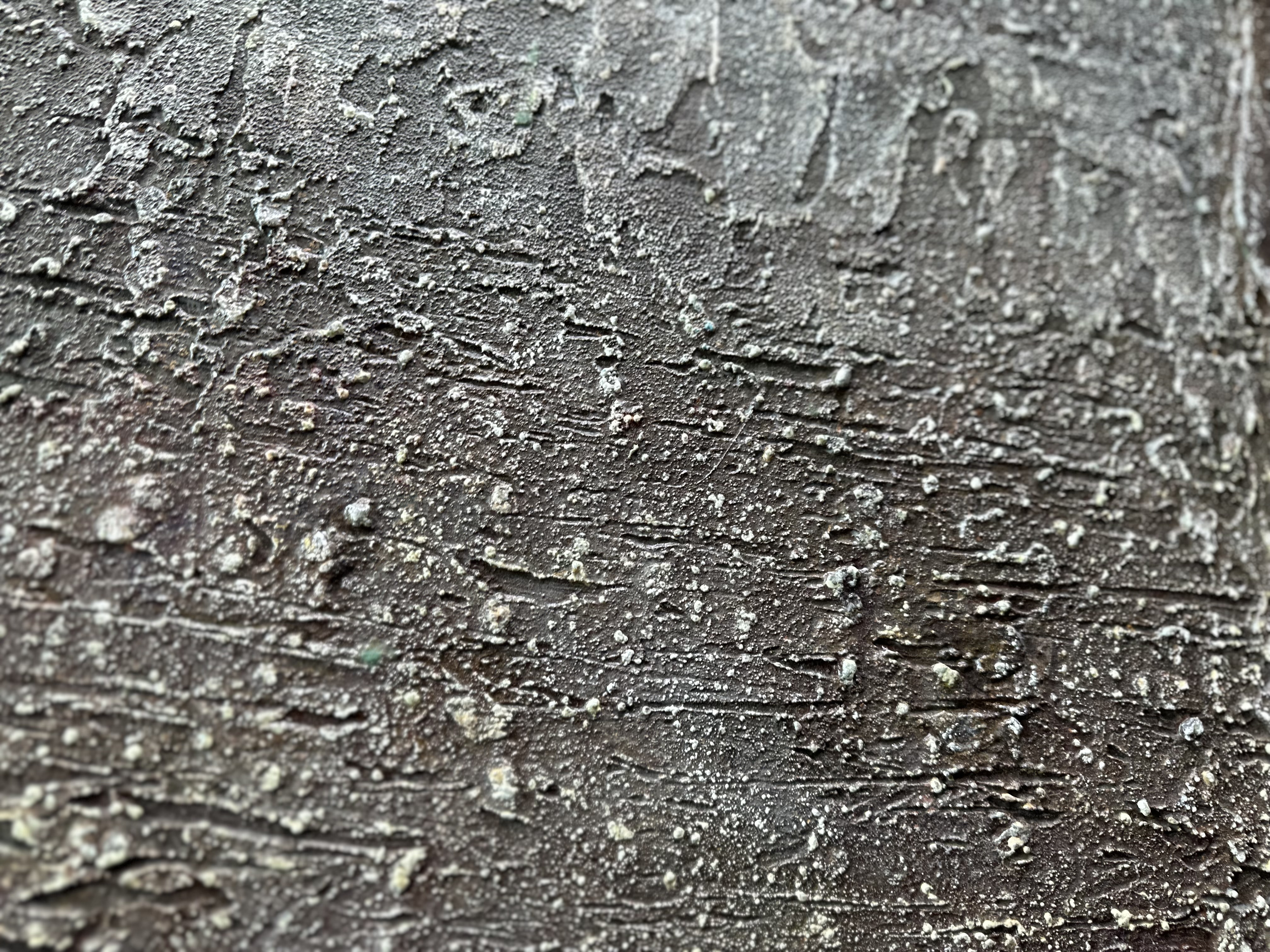
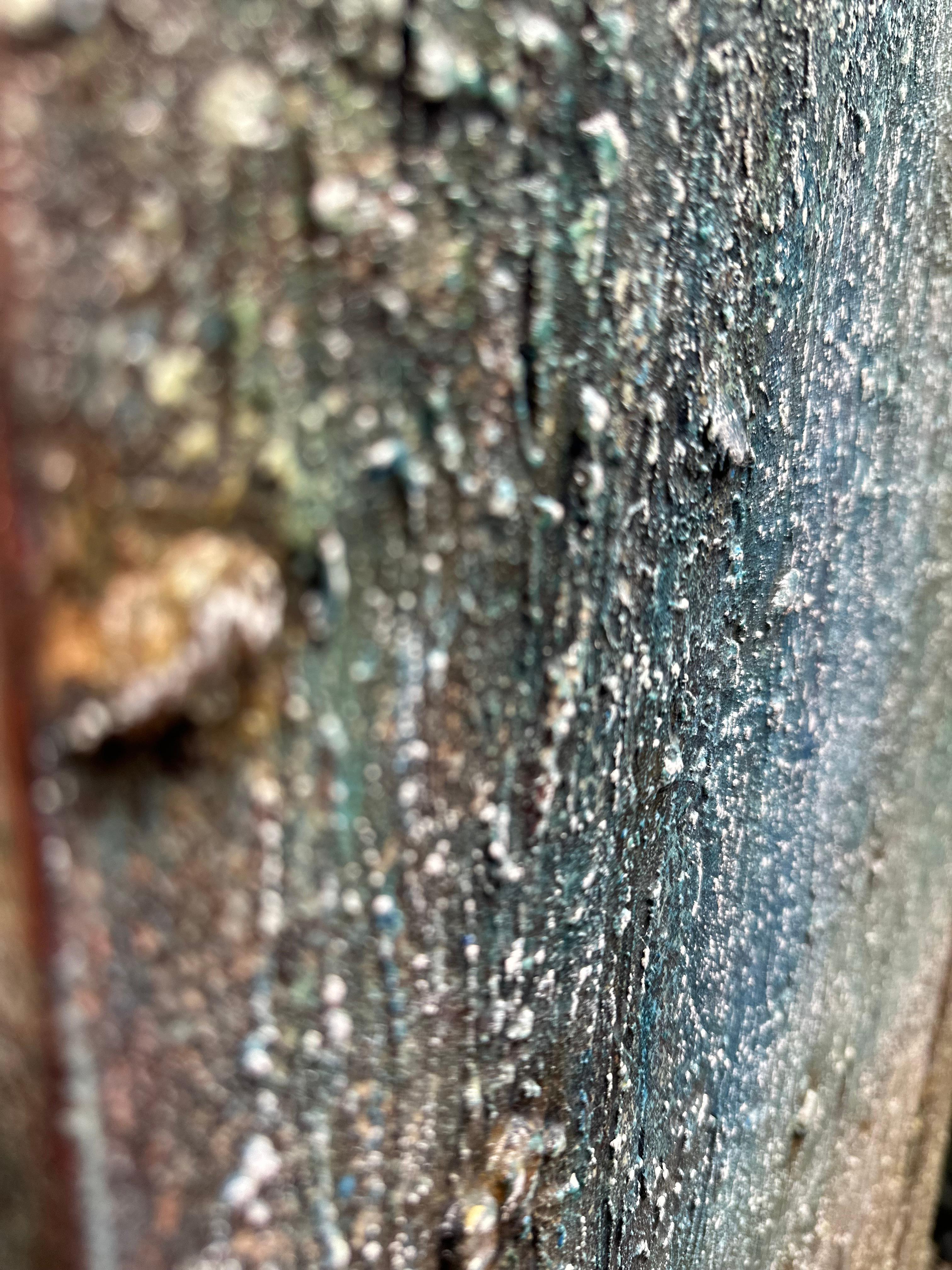
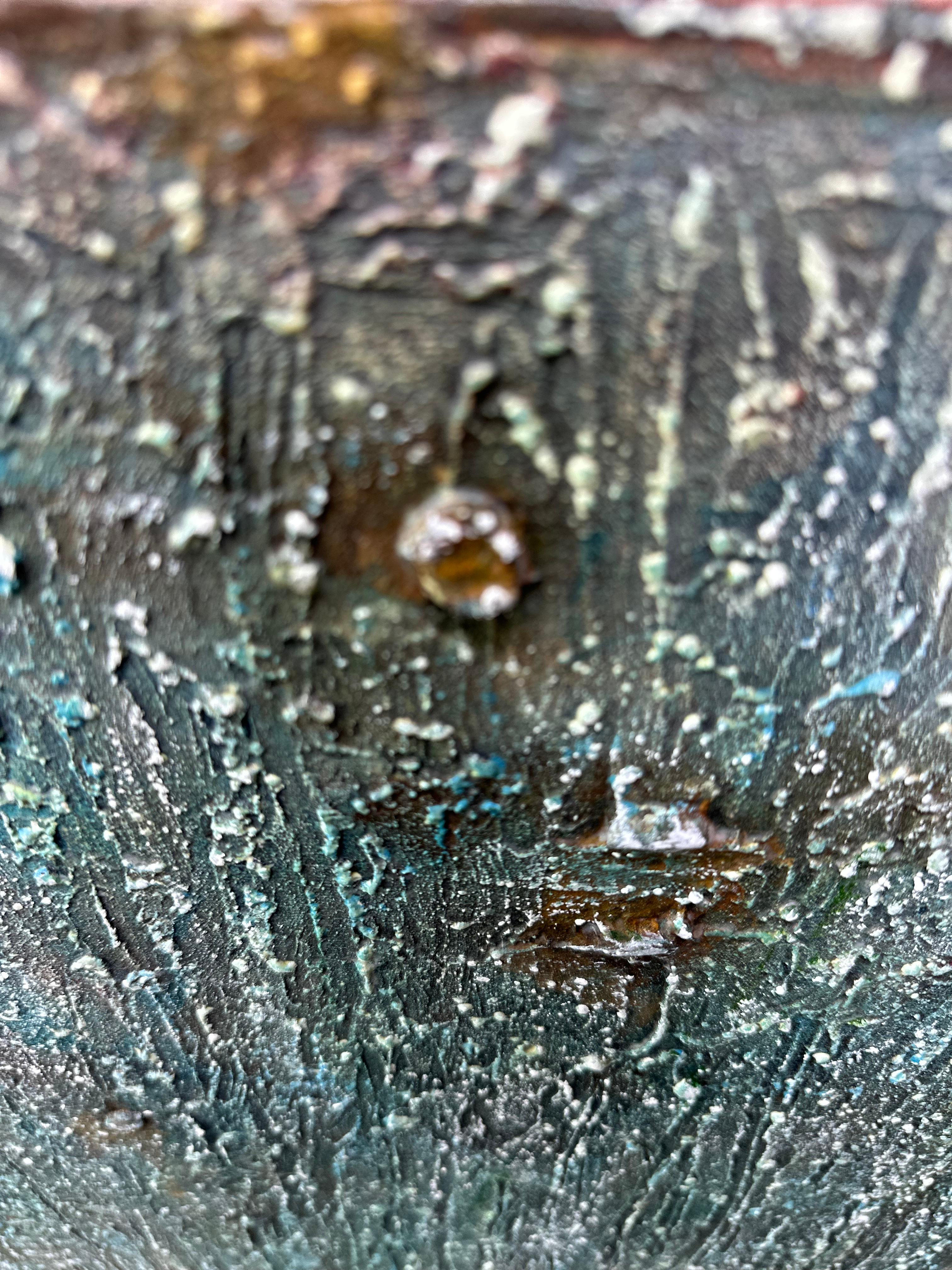
Nothing on this surface can be replicated. The marks, the crystallized residue, the anchovy hardened into the layers — each particular is unrepeatable. This much holds. Step back, and it loosens into haze.
Held close, a life insists on its own singularity — irreducible, set apart from the ordinariness visible in others. With distance, that insistence loosens. What seemed exceptional loses its edge and drifts toward the same life, lived and passed through.
*Penance* holds both distances without resolving them — the irreplicable surface and what it becomes — and leaves, between them, the moment in which something held high no longer remains so.
가까이서는 모사 불가능한 고유함으로, 멀어져서는 구분되지 않는 안개로 현존한다.
이 표면에서 모사할 수 있는 것은 없다. 흔적들, 결정화된 잔여물, 층위 안에 굳은 엔초비 — 각각의 특수성은 반복되지 않는다.
이 점은 남는다. 뒤로 물러서면 그것은 안개처럼 풀린다.
가까이서 삶은 자신의 고유함을 주장한다. 환원되지 않으며 타인에게서 발견되는 평범함과는 다른 것이라고.
거리가 쌓이면 그 주장은 풀린다. 예외적이라 여겼던 것은 점차 경계를 잃고, 결국 이미 지나온 그 삶의 흐름 속으로 스며든다.
《Penance》는 이 두 거리를 해소하지 않는다.
모사 불가능한 표면과 그것이 되어가는 상태를 함께 붙잡은 채, 그 사이에서 한때 높이 들려 있던 것이 더 이상 그렇게 남지 않는 순간을 남겨둔다.
---
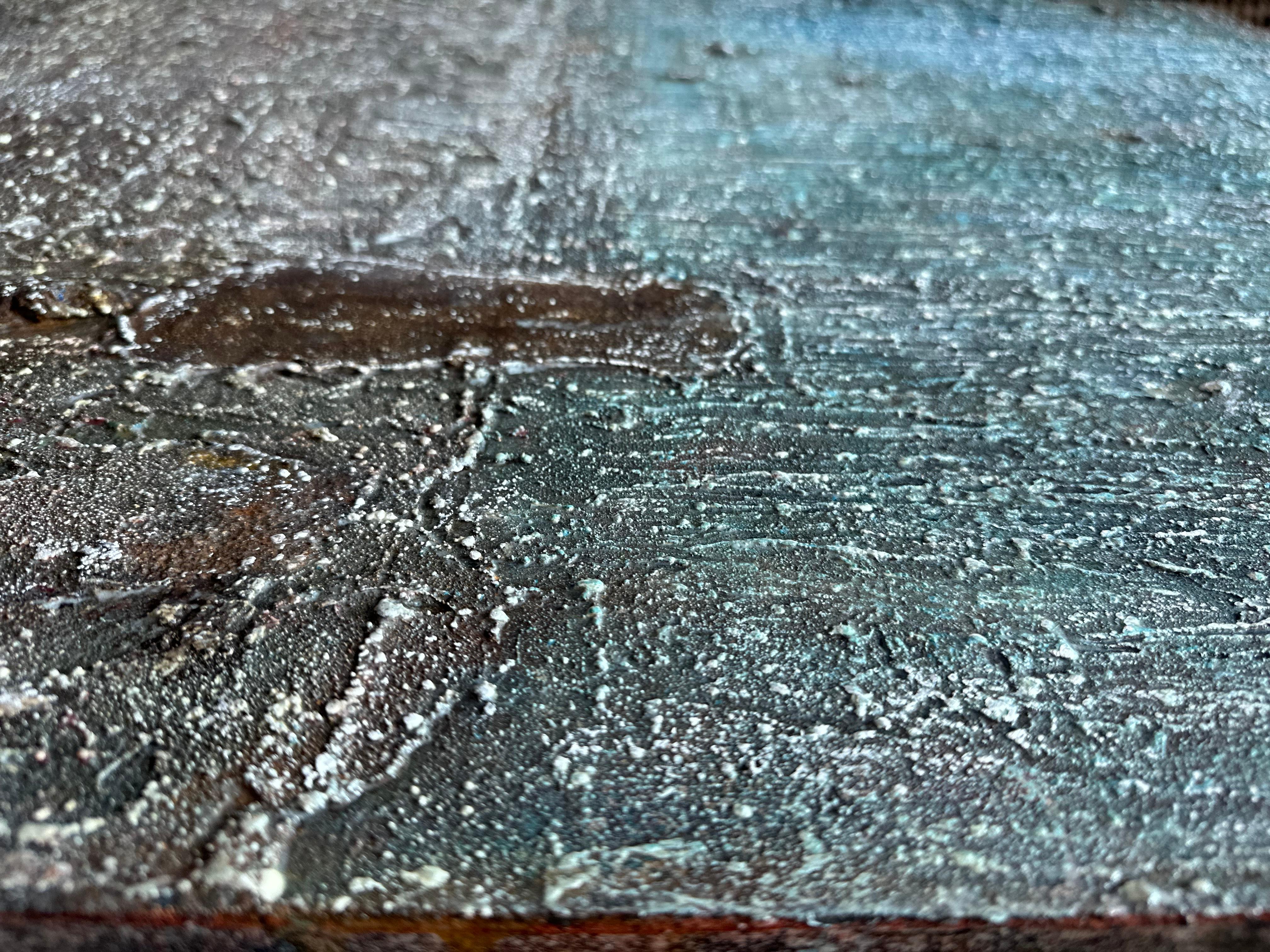
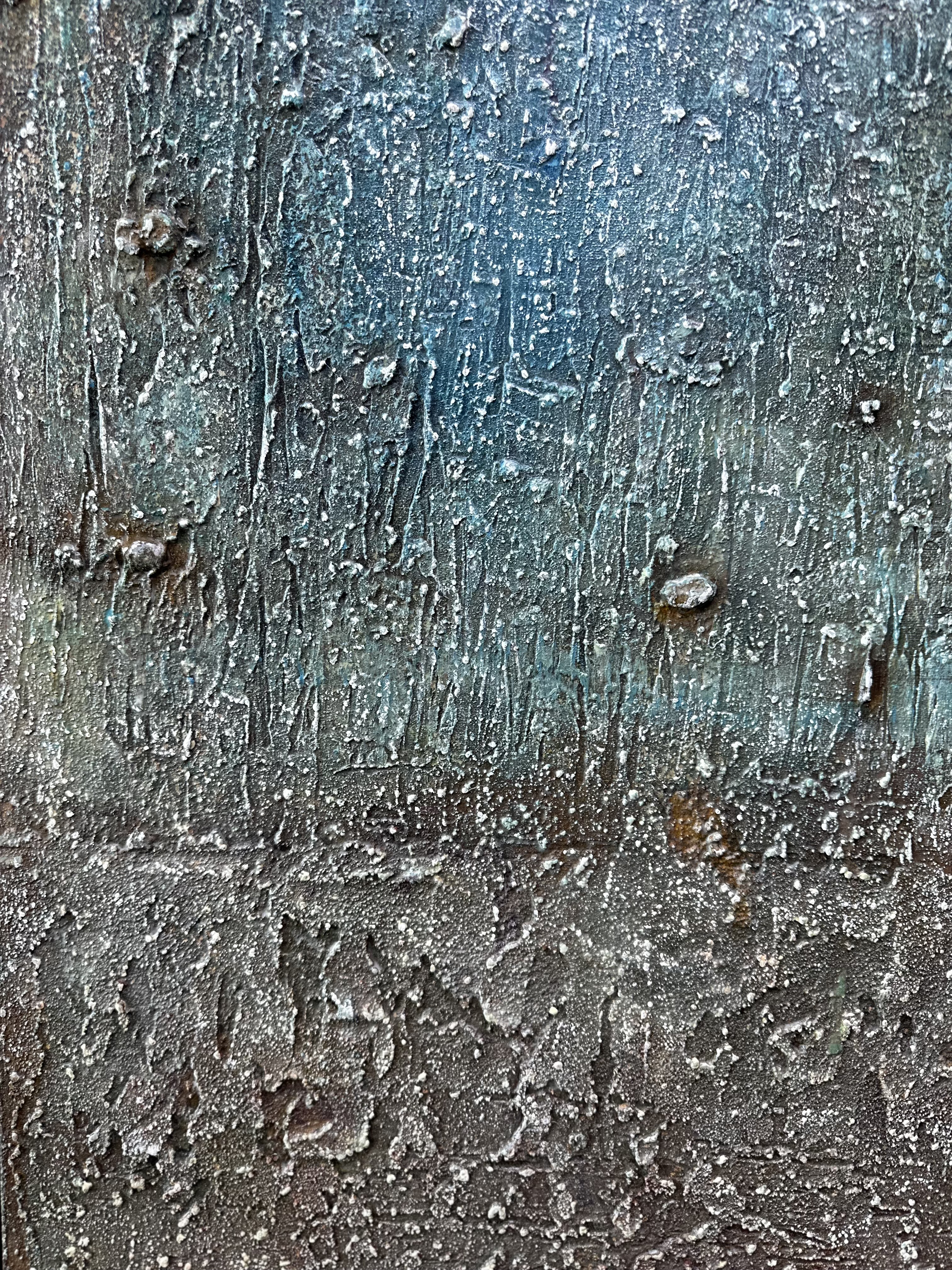
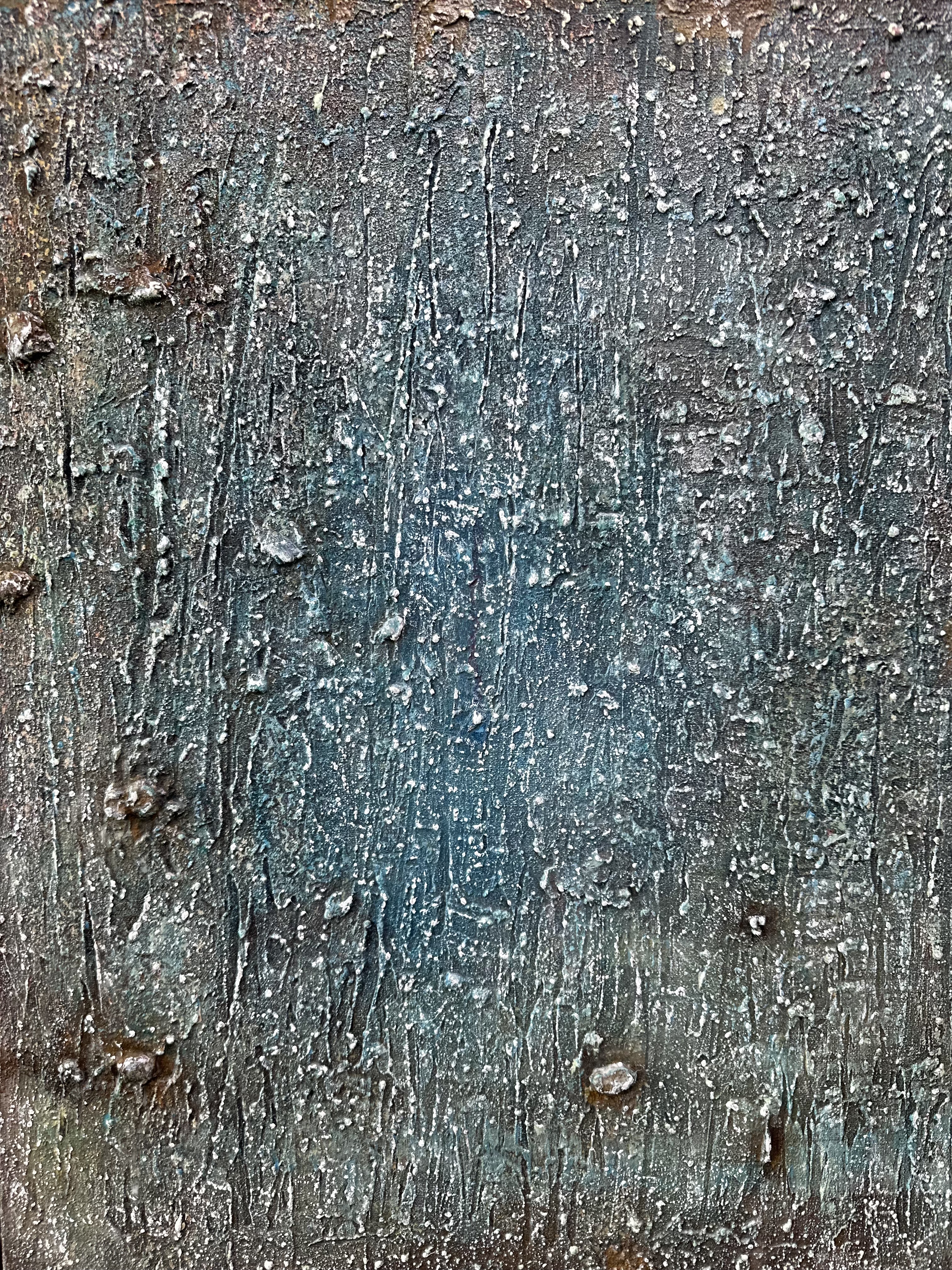
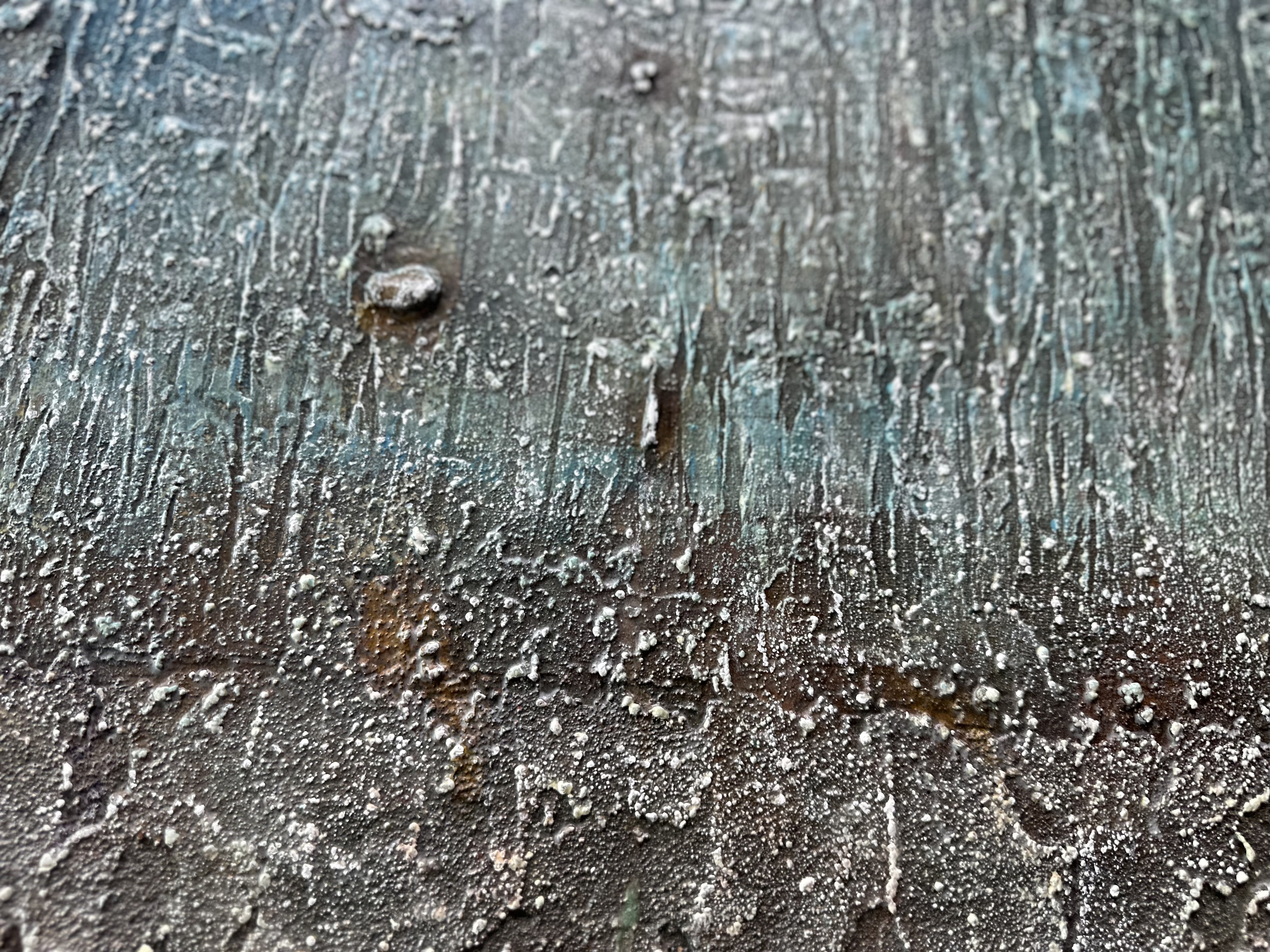
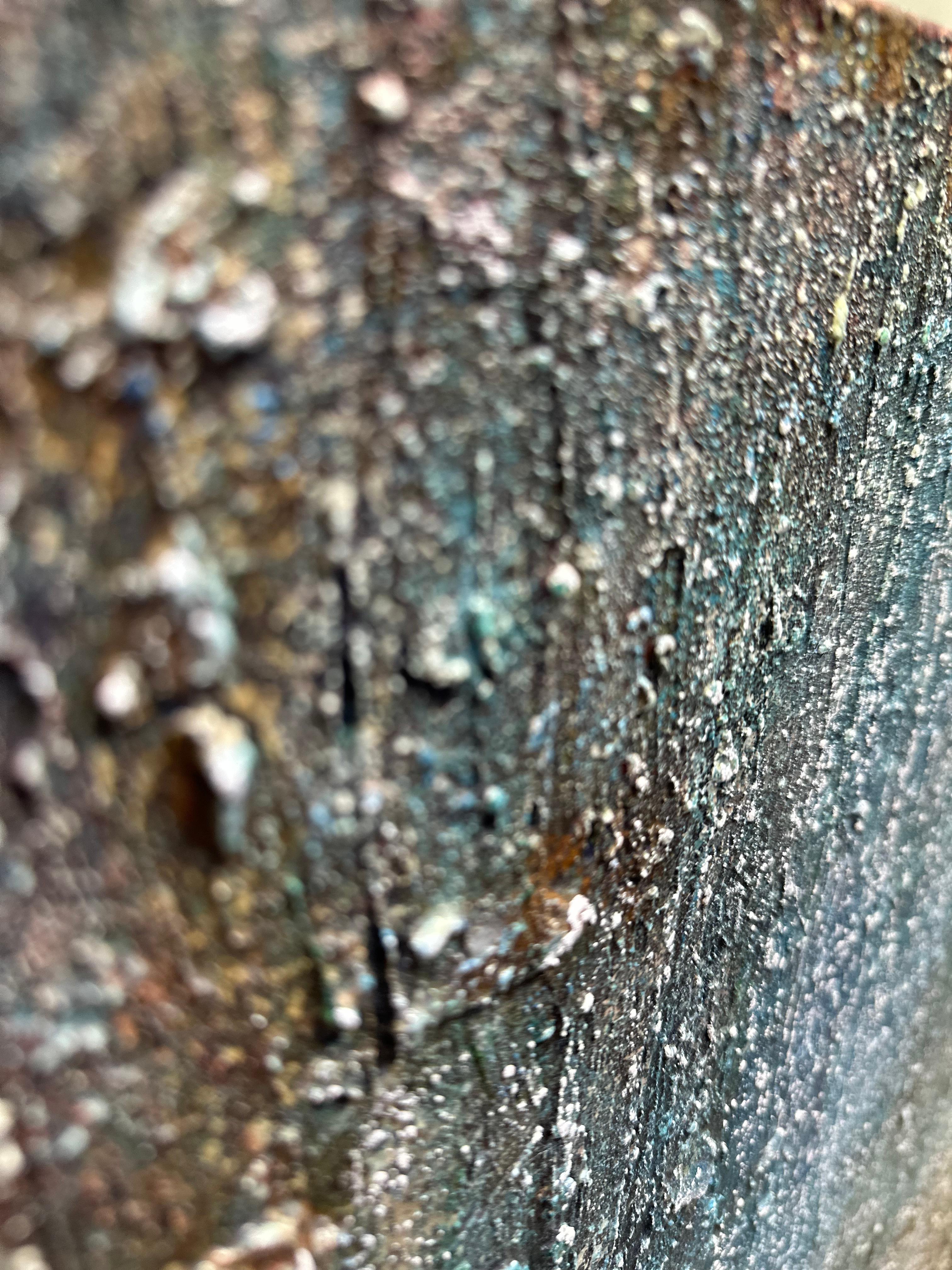
The palette knife entered the wet paste before color arrived. Ridges were raised, grooves cut, peaks pressed in — the surface established its topography before it knew what it would carry. Cerulean came and was rinsed away. Reddish-brown settled into the hollows and was withdrawn. Then white oil pastel was drawn across the built-up terrain — not to cover, but to catch. It gathered in the ridges and along the raised edges, settling into the surface's own geography, leaving a residue that reads, up close, like frost on uneven ground: each deposit particular, each line unrepeatable. Inside the hardening layers, a dried anchovy. The surface has been building itself toward what could not have been planned.
Up close, it is irreplicable. Step back, and it loosens.
Between these two distances, the work holds its question. Held close, each moment insists on itself — singular, unlike any other. With distance, that insistence no longer sustains its edge and settles into a weight that does not distinguish itself.
The anchovy inside the layers has no privilege here. What was once set apart no longer holds.
This painting leaves open the condition in which bowing can no longer be deferred.
조각칼은 색이 오기 전에 젖은 페이스트 속으로 들어갔다. 능선이 솟고, 홈이 파이고, 봉우리가 눌려 들어갔다. 표면은 무엇을 담게 될지 알기 전에 이미 지형을 가졌다. 청록은 올라왔다가 헹궈졌고, 적갈색은 홈에 스며들었다가 물러났다. 그 위에 화이트 오일파스텔이 지나갔다. 덮기 위해서가 아니라 걸리기 위해서였다. 오일파스텔은 능선 위에, 솟은 가장자리를 따라 내려앉으며 표면 자체의 지형을 따랐다. 가까이서 보면 서리처럼 읽힌다. 울퉁불퉁한 땅 위에 내린 서리처럼 — 각각의 침전은 고유하고, 각각의 선은 반복되지 않는다. 굳어가는 층위 안에 마른 엔초비가 있다. 이 표면은 계획될 수 없었던 방향으로 스스로를 형성해왔다.
가까이서는 모사 불가능하다. 물러서면 풀린다.
이 두 거리 사이에서 이 작업은 질문을 붙든다. 가까이서 각 순간은 자신의 고유함을 주장한다. 고유하고, 다른 어떤 것과도 같지 않다고. 시간이 만들어내는 거리는 그 주장을 바꾼다. 한때 특수성을 지니던 것은 더 이상 그 경계를 유지하지 못하고, 구분되지 않는 무게로 가라앉는다.
층위 안의 엔초비 역시 예외가 아니다. 분리되어 있던 것은 더 이상 그렇게 남지 않는다.
이 그림은 고개를 숙이는 일이 더 이상 미뤄질 수 없는 상태를 열어둔다.
*This text is written in the form of a critical essay.*
---
**Penance: A Painting of Two Distances, or How Separation Settles**
To see *Penance* properly requires looking twice. Each viewing reveals something different, and the distance between them forms the structure of the work.
From close range, the surface is irreplicable. Modeling paste and coffee grounds accumulate; the palette knife cuts, presses, and raises ridges and grooves; cerulean and reddish-brown settle through repetition and removal. Then white oil pastel is drawn across the built terrain — not to cover, but to catch. It thickens on the raised edges, thins in the lower passages, following the surface's own geography without instruction. Up close, it reads like frost on uneven ground: each deposit formed by contact rather than intention, each line belonging only to the moment of its making. A dried anchovy hardens within the layers. Each material event belongs to its moment. At this distance, the surface holds its singularity.
Step back. The whole loosens. Cerulean, reddish-brown, and residue no longer separate clearly, remaining as an indistinct condition.
The gap between these two experiences forms the center of *Penance*. It is not merely a pictorial device but a condition the work sustains.
The chromatic structure carries this condition. The cerulean above does not radiate outward but remains contained within the surface. The reddish-brown below settles into the topography established by the knife. No line divides them. A transitional zone forms through accumulation, without declaration, becoming legible only afterward.
Across both fields, the white oil pastel gathers as residue. It is not planned but deposited — caught by the raised terrain, releasing where the surface falls away. Up close, each mark holds its own form; at a distance, it operates as a veil that loosens the whole. The detail persists; the whole dissolves.
Allowing the surface to age is central to the method. Change is not prevented but followed. When the material shifts, the artist returns — not to restore, but to move with what is already in progress. The varnish does not resolve the surface; it holds it where it has reached.
The dried anchovy embedded in the layers is the most condensed element. It appears only at close range; from a distance, it cannot be distinguished from the surface. What once stood apart no longer maintains that separation.
What the work engages is a shift in how a life is seen across time — the difference between what holds at close range and what remains at a distance. These two positions do not cancel one another.
*Penance* sustains both conditions and leaves the movement between them open. The surface, singular up close and loosening at a distance, does not arrive at conclusion.
Where separation was once held, something continues to settle.
*이 글은 비평문 형식으로 쓰였습니다.*
**Penance: 두 거리의 회화, 또는 교만이 침전되는 방식에 관하여**
김준성의 《Penance》를 제대로 보기 위해서는 두 번 봐야 한다. 두 번의 보기는 서로 다른 것을 드러내며, 그 사이의 간극이 이 작업의 구조를 이룬다.
먼저 가까이서 본다. 이 표면은 재현 불가능하다. 모델링 페이스트와 커피 가루가 쌓이고 조각칼이 파고들어 만든 능선과 홈과 혹들, 반복적인 도포와 제거를 거쳐 자리를 잡은 청록과 적갈색, 그 위를 지나간 화이트 오일파스텔 — 이것은 표면을 덮기 위한 것이 아니라 기복을 따라 걸리기 위한 것이었다. 오일파스텔은 솟은 능선에 포착되고 홈의 가장자리를 따라 내려앉으며 자신의 흔적을 남겼다. 그 결과는 가까이서 보면 서리 같다. 계획할 수 없었던 방식으로 지형 위에 내려앉은. 그리고 층위 안에 눌려 굳은 마른 엔초비 — 각각의 물질적 사건은 그 순간에만 가능했다. 가까이서 본 이 표면의 고유성은 분명하게 남는다.
이제 뒤로 물러선다. 전체는 흐릿해진다. 청록과 적갈색과 흰 잔여물이 분리되지 않은 채 하나의 불분명한 상태로 남는다.
이 두 경험 사이의 간극이 《Penance》의 중심이다. 이것은 단순한 회화적 장치가 아니라 이 작업이 지속적으로 다루어온 조건의 한 형태이다.
색채 구조는 이 조건을 물질 안에서 드러낸다. 상단의 청록은 바깥으로 발산되지 않고 표면 안쪽에 머무르며, 하단의 적갈색은 조각칼이 만든 지형을 따라 가라앉는다. 두 영역 사이에는 선이 없다. 하나가 다른 것 안으로 스며들며 형성된 전환의 지대만이 남는다. 그 변화는 선언되지 않았고, 이후에야 감지된다.
그 위에 화이트 오일파스텔이 지나가며 흰 잔여물이 축적된다. 이것은 계획된 요소가 아니라 지형과의 접촉이 남긴 침전이다. 오일파스텔은 솟은 곳에 더 두껍게 걸리고 낮은 곳에서 옅어지며 표면의 기복을 따라 분포한다. 가까이서는 각기 다른 형상을 드러내지만 멀어지면 전체를 흐리게 만드는 막으로 작동한다. 세부는 남고, 전체는 풀린다.
표면을 에이징하도록 허용한 것은 이 작업의 방법론적 중심이다. 작가는 변화를 억제하지 않고 물질이 시간 속에서 어떻게 이동하는지를 지켜본다. 손상이 발생할 때 다시 개입하지만 그것은 복원이 아니라 이미 진행 중인 상태에 맞춰지는 행위에 가깝다. 바니시는 이 과정을 멈추기 위한 것이 아니라 특정한 상태를 더 이상 흩어지지 않게 두기 위한 선택이다.
층위 안에 굳은 마른 엔초비는 이 작업에서 가장 압축된 요소이다. 가까이서만 인식되며 거리를 두면 표면과 구분되지 않는다. 한때 분리되어 있었던 것은 이 안에서 더 이상 구분을 유지하지 못한다.
이 작업이 다루는 것은 자기 인식이 시간 속에서 어떻게 달라지는가의 문제이다. 가까이서 바라볼 때의 확신과 거리를 두었을 때 드러나는 다른 상태 사이의 간극. 이 두 시선은 서로를 대체하지 않는다.
《Penance》는 이 간극을 해소하지 않는다. 두 상태를 동시에 유지한 채 관람자가 그 사이를 이동하도록 남겨둔다. 가까이서는 고유한 것으로, 멀어지면 풀리는 것으로 존재하는 이 표면은 하나의 결론으로 수렴되지 않는다.
분리되어 있다고 여겨졌던 것이 그 거리를 잃어가는 자리. 이 표면은 그 과정 안에 머문다.






## 1. 전시 서문 (Curatorial Text)
---
**Penance: 교만이 침전되는 방식에 관하여**
김준성의 Aging Series는 물질이 시간 속에서 무엇이 되는가를 묻는다. 그러나 더 정확히는, 시간이 충분히 지난 후에야 비로소 보이기 시작하는 것들에 관한 작업이다.
이 연작의 표면들은 완성되지 않고 멈춰진다. 층위는 쌓이고 제거되며, 재료는 작가의 의도와 협상하되 그것에 완전히 복종하지 않는다. 에이징은 손상이 아니라 방법이다. 변화는 억제되지 않고 따라가진다. 개입은 진행 중인 상태에 맞춰지는 행위에 가깝다. 바니시는 표면을 치유하지 않는다. 특정한 상태를 더 이상 흩어지지 않게 붙잡아둘 뿐이다.
이 연작에서 가장 결정적인 구조는 두 거리 사이의 간극이다.
가까이서 보면 각각의 표면은 재현 불가능하다. 조각칼이 젖은 페이스트 속으로 파고든 각도, 오일파스텔이 능선 위에 서리처럼 내려앉은 방식, 층위 안에 굳어버린 것들 — 이 각각의 물질적 사건은 그 순간에만 가능했다. 가까이서 본 이 표면의 고유성은 절대적이다.
뒤로 물러서면 그것은 안개처럼 풀린다.
이 간극은 회화적 장치가 아니다. 작가가 오랫동안 생각해온 인간적 조건의 구조다. 우리는 각자의 삶을 가까이서 살아낸다. 매 순간은 고유하고, 각각의 경험은 누구의 것과도 같지 않다고 느껴진다. 그러나 충분한 거리가 쌓이면 — 그토록 유별나다고 믿었던 날들이 흐릿해진다. 특별했던 것들이 조용히 경계를 잃고 누구나 살다 가는 그 삶의 무게 속으로 스며든다.
Aging Series는 이 자각을 설명하지 않는다. 물질 안에 구조로 담는다. 가까이서는 아무도 따라 할 수 없고, 멀리서는 우리 모두의 것인 표면들 위에서.
교만했던 고개가 숙여지는 자리. 이 전시는 거기에 있다.
---
**Penance: On How Pride Sediments**
Kim Junsung's Aging Series asks what material becomes across time. More precisely, it is work about what only becomes visible once sufficient time has passed.
The surfaces in this series are not completed but stopped. Layers accumulate and are withdrawn; materials negotiate with the artist's intentions without fully submitting to them. Aging here is not damage but method. Change is not prevented but followed. Intervention aligns with what is already in progress. The varnish does not heal the surface. It holds a specific state in place before it can disperse further.
The most decisive structure in this series is the gap between two distances.
From close range, each surface is irreplicable. The angle at which the palette knife entered wet paste, the way white oil pastel settled like frost along raised ridges, the objects hardened into the layers — each material event belonged only to its moment. At this distance, the singularity of the surface is absolute.
Step back, and it loosens into haze.
This gap is not a pictorial device. It is the structure of a human condition the artist has thought about for a long time. We inhabit our lives from close range. Each moment feels singular, each experience unlike anyone else's. But with sufficient distance, what seemed irreplaceable begins to blur. What was held as exceptional quietly loses its edge and settles into the same weight everyone carries.
The Aging Series does not explain this recognition. It builds it into the material as structure — surfaces that are, up close, unlike anything else, and from a distance, exactly like everything.
The place where a raised head finally lowers. This exhibition is there.
---
## 2. 국제 공모전용 Condensed Version
---
**Penance — Artist Statement (Condensed)**
*Penance* is structured around a gap between two distances.
From close range, this surface cannot be replicated. Modeling paste and coffee grounds were built up and carved before color arrived; cerulean and reddish-brown were applied and withdrawn through repeated cycles; white oil pastel was drawn across the raised terrain — not to cover, but to catch, settling along ridges like frost on uneven ground. A dried anchovy hardened into the layers. Each material event belonged to its moment. At this distance, the surface is absolutely singular.
Step back, and it loosens into haze.
This is the condition the work is built to hold. We inhabit our lives from close range, convinced of their irreducible particularity — that our days are unlike anyone else's, that what we carry is exceptional. That conviction is not false. But with the distance that only time provides, something shifts. What seemed irreplaceable loses its edge. The life believed to be exceptional resolves into the ordinary weight of a life that has been lived, like every other, with the head raised a little too high for a little too long.
The surface was permitted to age before being sealed. Deterioration was not prevented but followed. Intervention did not restore but accompanied what was already in progress. The varnish fixed the surface not to resolve it, but to hold it at the point of recognition: this specific state of accumulated weathering is the work's actual condition.
The dried anchovy inside the layers appears only at close range. From a distance, it can no longer be distinguished from the surface around it. What was once set apart does not hold.
*Penance* does not deliver the moment of bowing. It constructs the condition in which that moment can no longer be deferred — and holds it there, between the irreplicable surface and the haze it becomes, without resolving what remains.
---
**참회 — 작가 노트 (공모전용 요약)**
《Penance》는 두 거리 사이의 간극으로 구성된다.
가까이서 이 표면은 모사 불가능하다. 모델링 페이스트와 커피 가루가 쌓이고 조각칼로 조각된 후 청록과 적갈색이 반복적인 도포와 제거를 거쳐 자리를 잡았다. 화이트 오일파스텔이 솟은 지형 위를 지나갔다. 덮기 위해서가 아니라 걸리기 위해서였다. 울퉁불퉁한 땅 위의 서리처럼 능선을 따라 내려앉으며. 마른 엔초비 한 마리가 층위 안에 굳었다. 각각의 물질적 사건은 그 순간에만 가능했다. 이 거리에서 표면의 고유성은 절대적이다.
뒤로 물러서면 안개처럼 풀린다.
이것이 이 작업이 붙잡도록 설계된 조건이다. 우리는 자신의 삶을 가까이서 살아낸다. 각자의 날들이 돌이킬 수 없이 고유하며, 자신이 짊어진 것이 예외적이라고 확신하면서. 그 확신은 틀리지 않는다. 그러나 시간만이 줄 수 있는 거리가 쌓이면 무언가 달라진다. 대체 불가능하다고 여겼던 것이 경계를 잃는다. 예외적이라고 믿었던 삶이 고개를 너무 오래, 너무 높이 든 채 살아온 모든 사람의 평범한 무게로 해소된다.
표면은 밀봉되기 전에 에이징하도록 허용되었다. 손상은 막지 않고 따라갔다. 개입은 복원이 아니라 이미 진행 중인 상태와 함께 가는 것이었다. 바니시는 표면을 해소하기 위해서가 아니라 인식의 지점에서 고정하기 위해 칠해졌다. 이 특정한 풍화와 축적의 상태가 이 작업의 실제 조건이다.
층위 안의 마른 엔초비는 가까이서만 보인다. 거리를 두면 주변과 구분되지 않는다. 한때 분리되어 있던 것은 더 이상 그렇게 남지 않는다.
《Penance》는 고개를 숙이는 순간을 제시하지 않는다. 그것이 더 이상 미뤄질 수 없는 조건을 만들어 붙잡아둔다. 모사 불가능한 표면과 그것이 되어가는 안개 사이에서, 남겨진 것을 해소하지 않은 채.
'Art > Ag(e)ing Series' 카테고리의 다른 글
| Tranquility (2025 version) (1) | 2026.02.02 |
|---|---|
| Result of Follow-up (2025 version) (0) | 2026.01.03 |
| GROOVE AND RIDGE (0) | 2025.12.09 |
| Patterns Begging to Be Buried (0) | 2025.12.03 |
| ONGOJISIN (溫故知新) (0) | 2025.11.24 |