2026. 6. 7. 00:09ㆍArt/PREX MEA Series
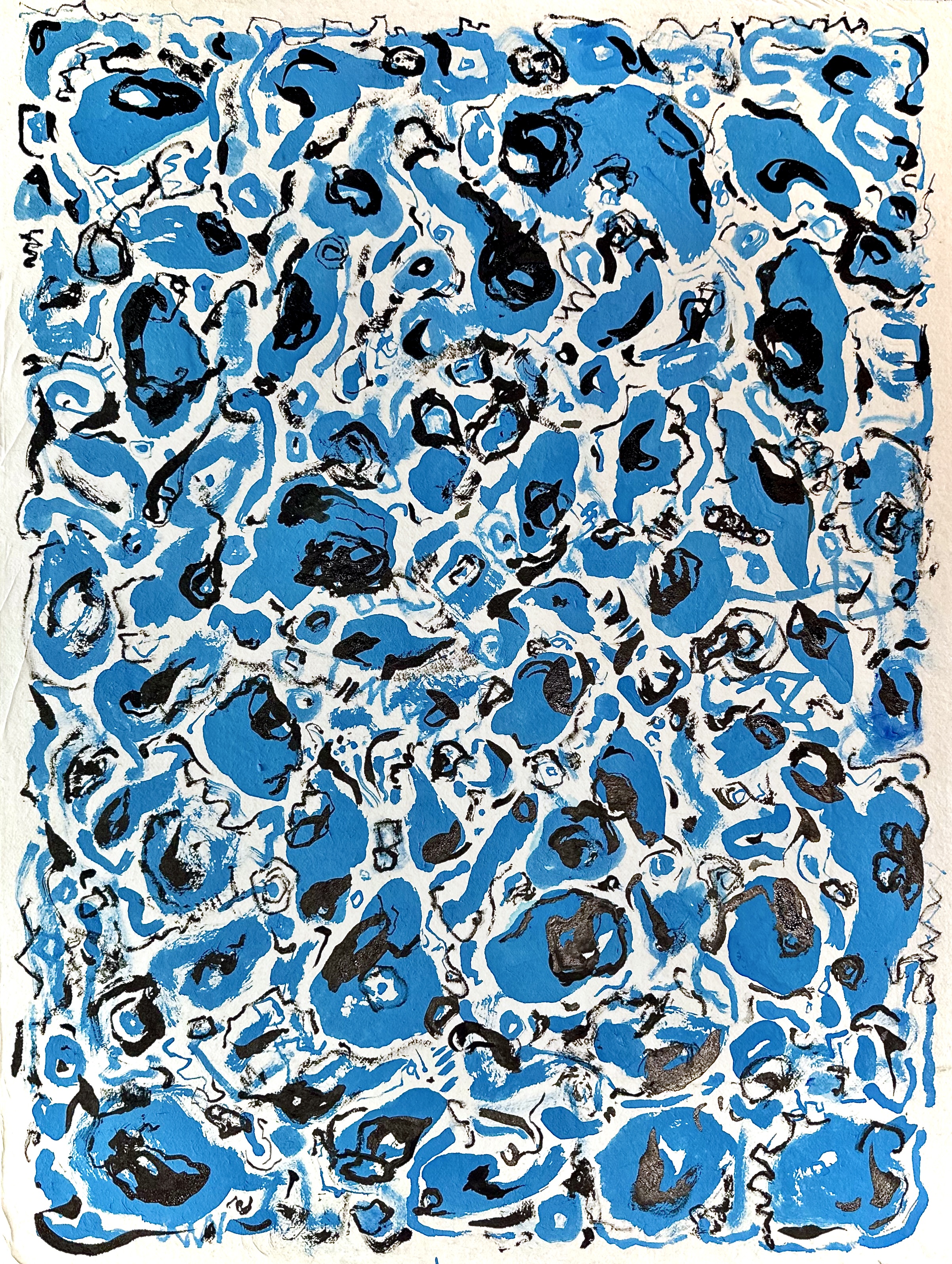
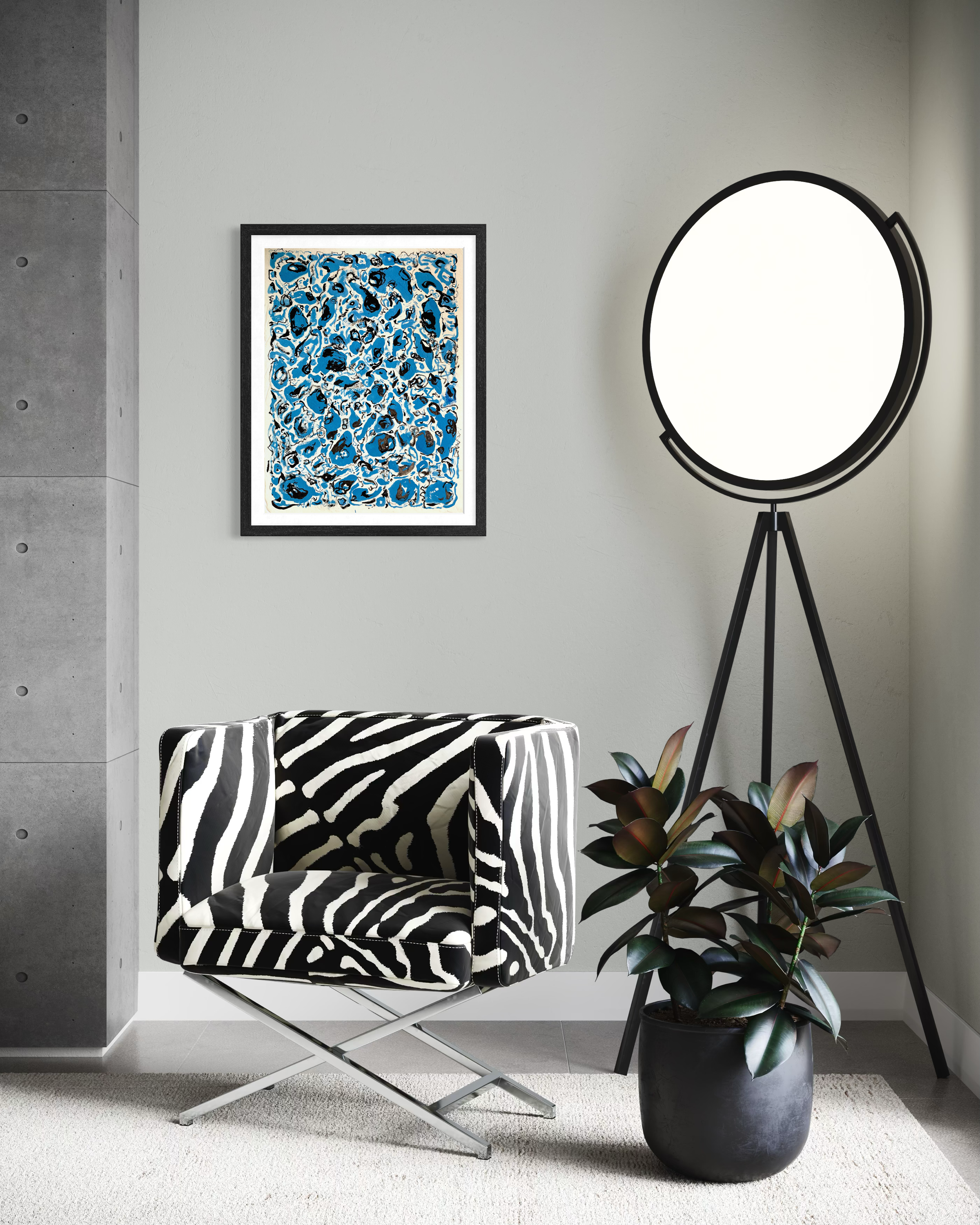
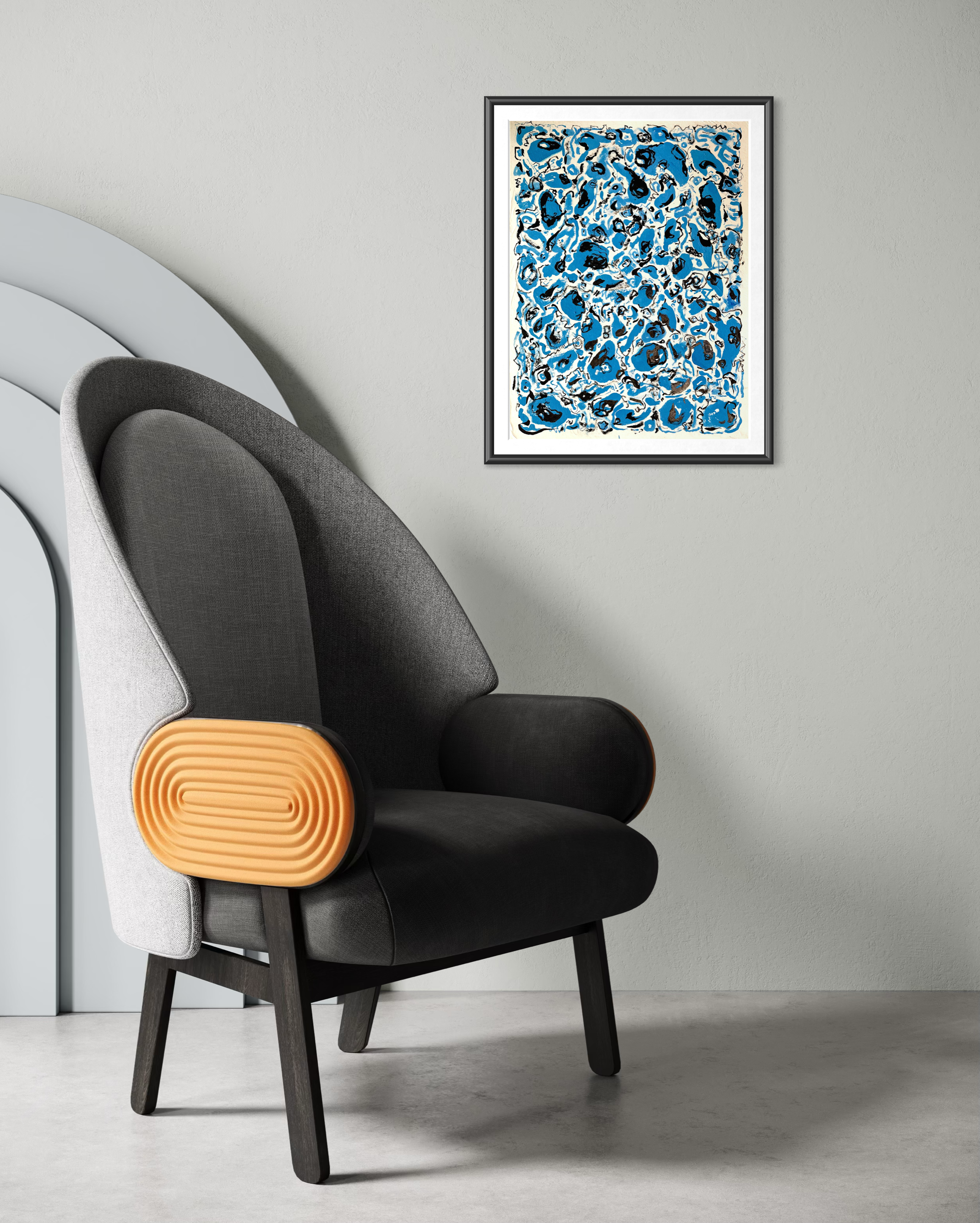
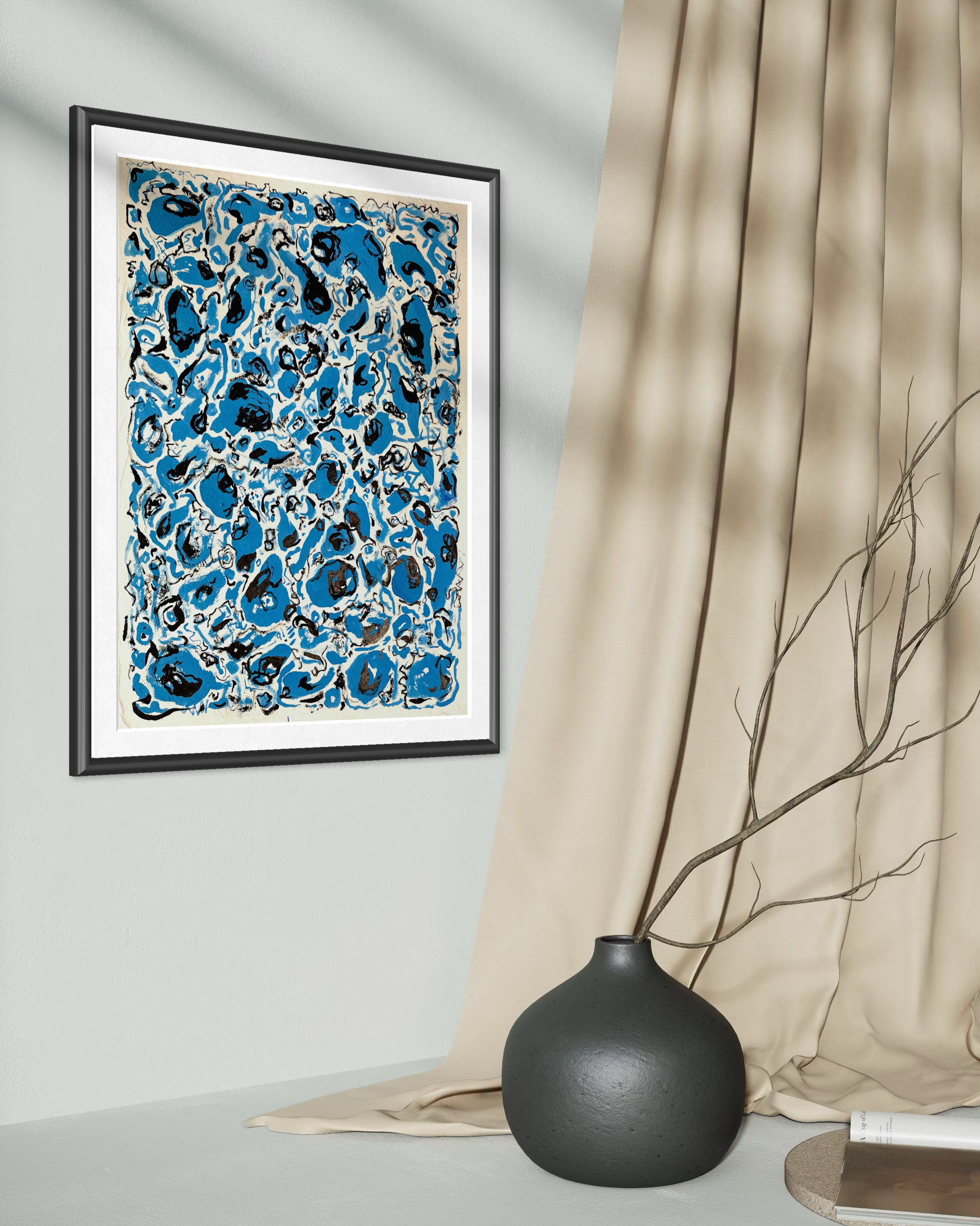
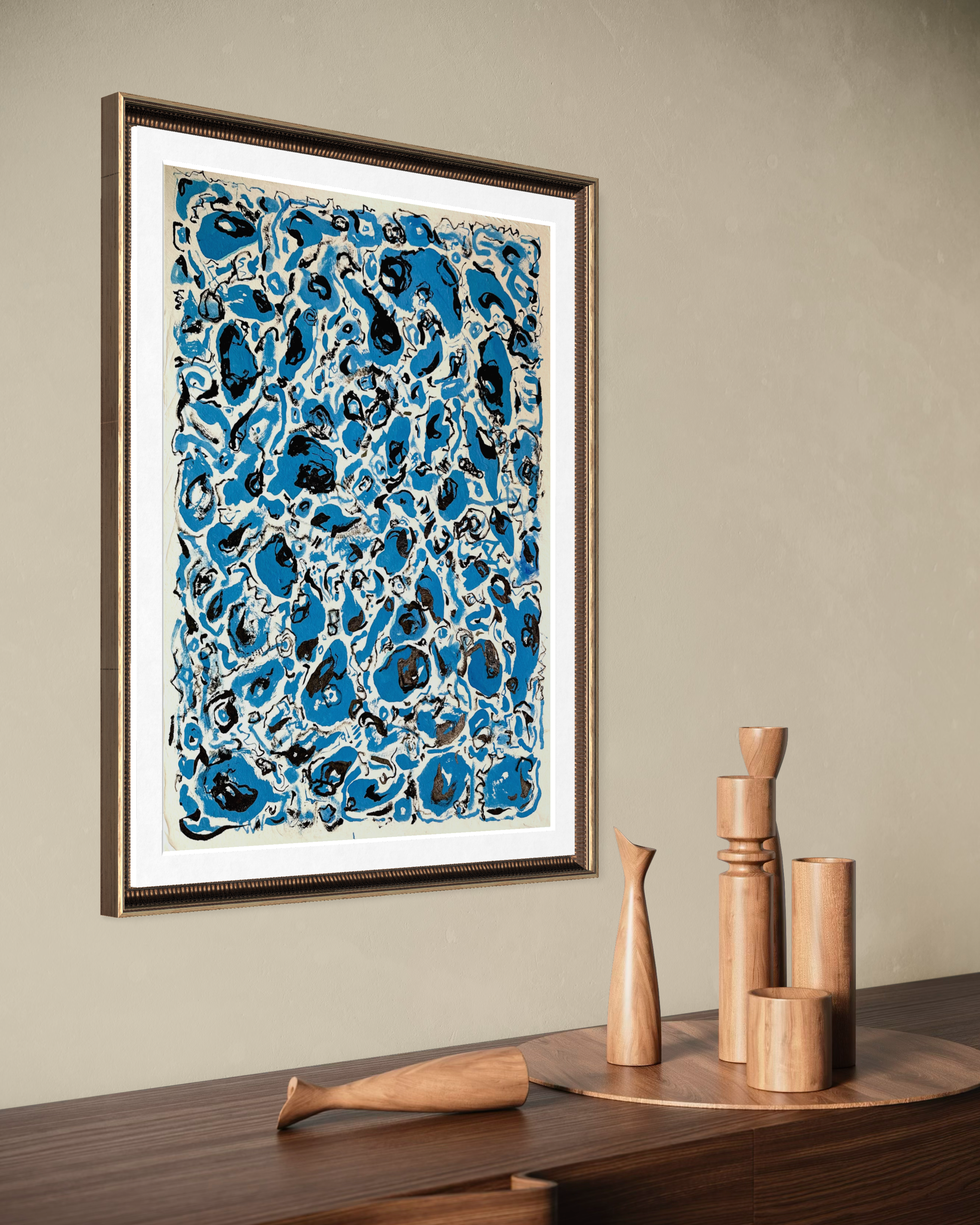
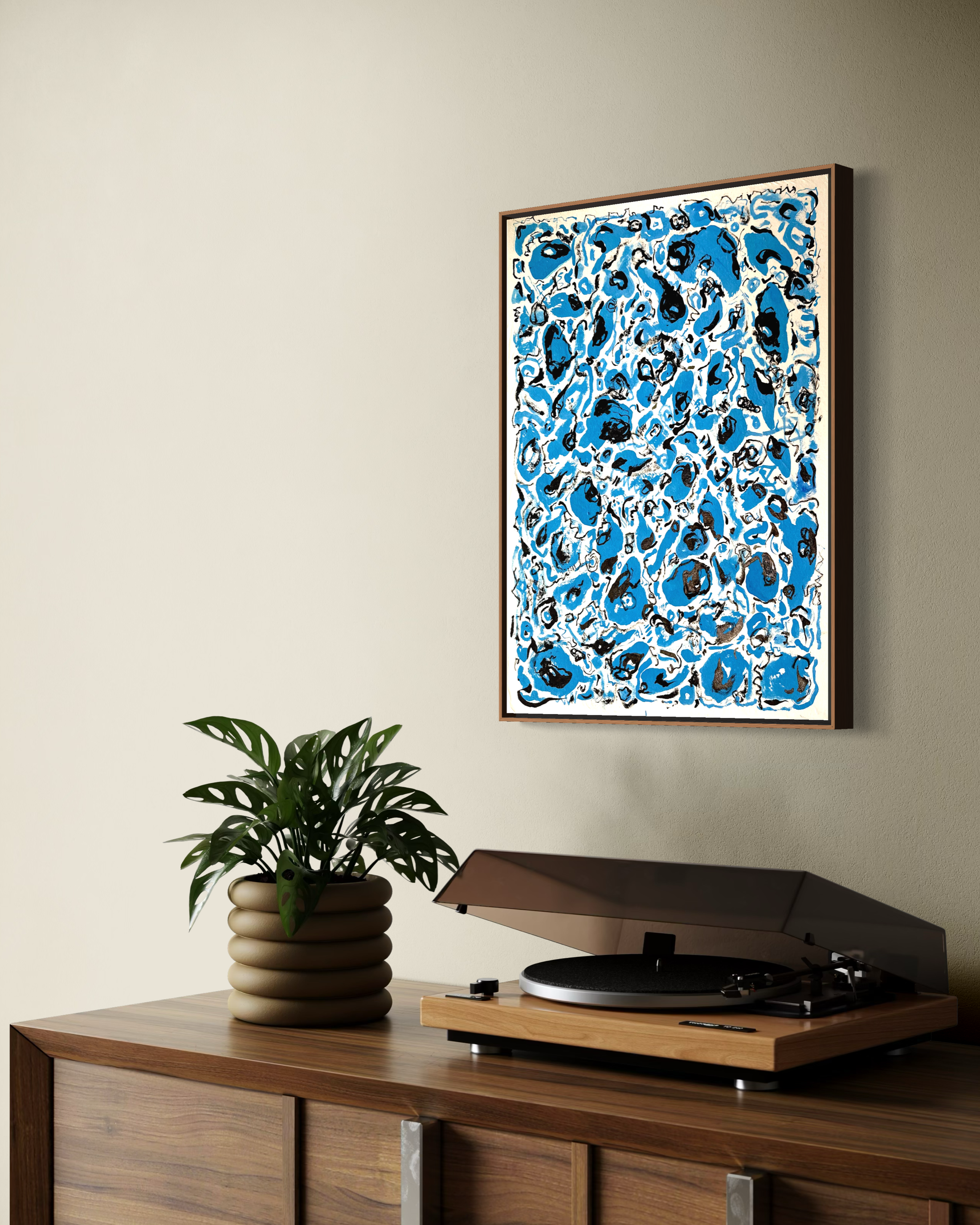
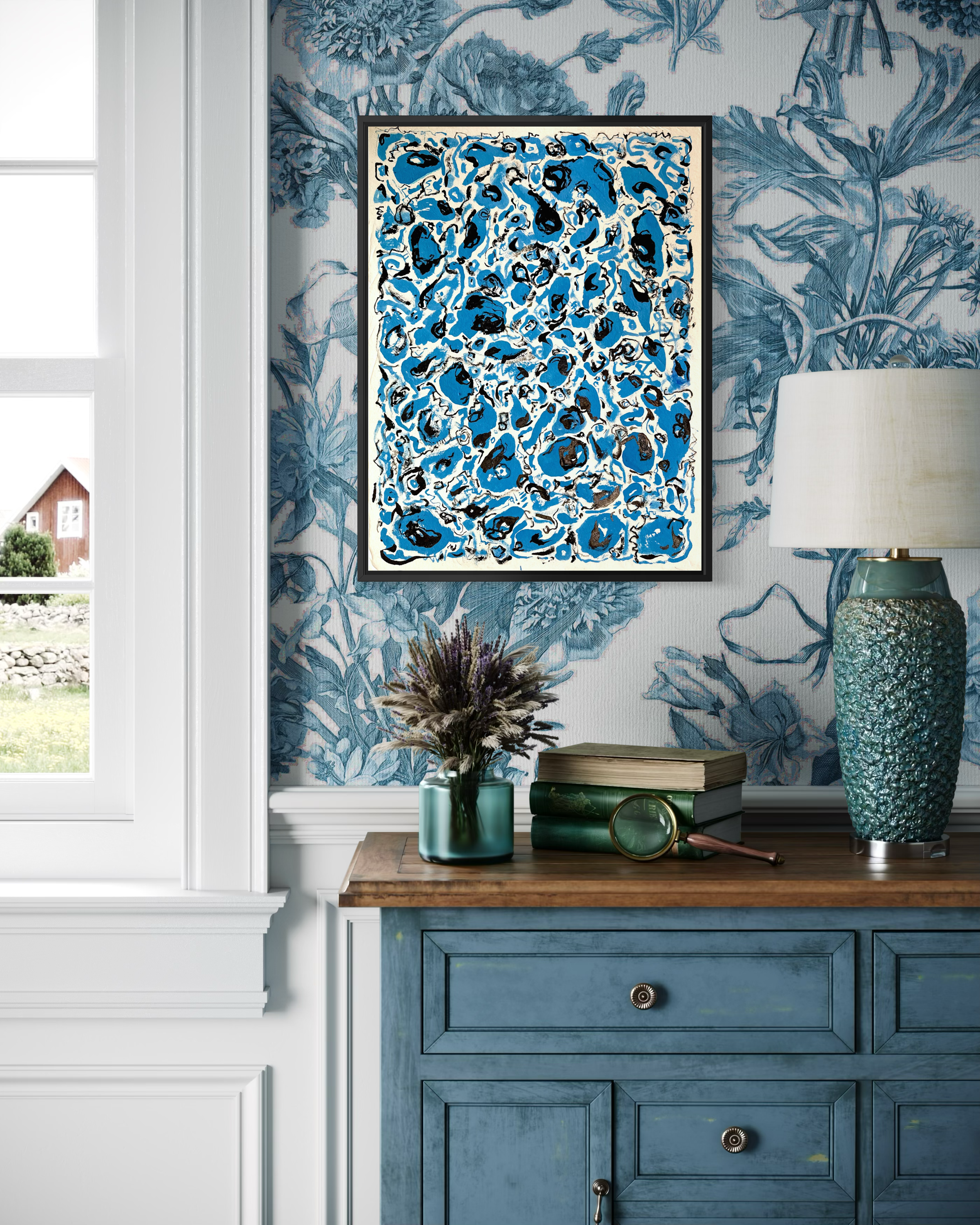
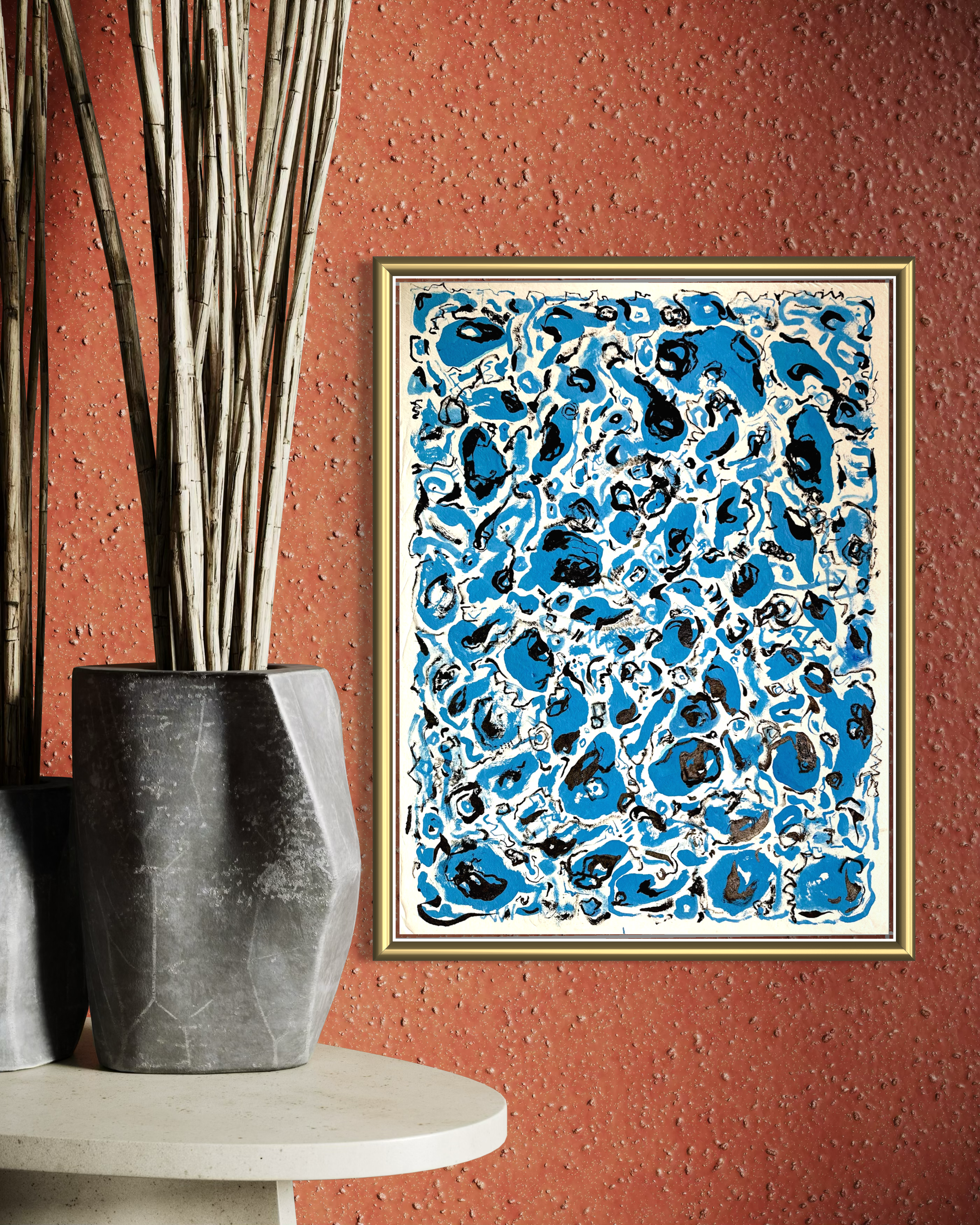
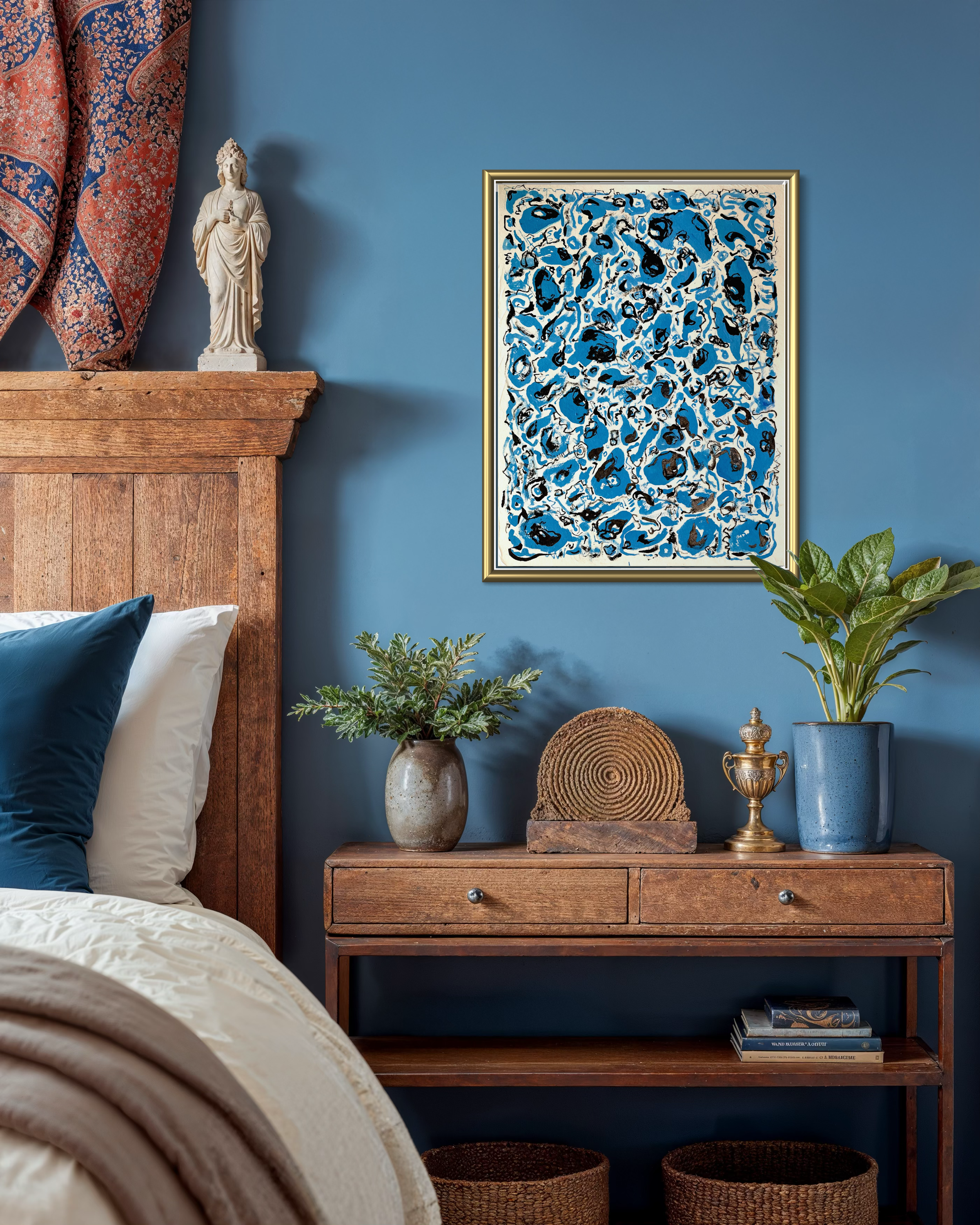
Prex Mea. #2
관조(觀照): 사건과 밀도 사이 (Gwan-jo: Between Event and Density)
60.6 × 45.5 cm (12P)
Oriental Pigments and Ink on Hanji Canvas
https://jonathank.tistory.com
https://www.singulart.com/en/artworks/kim-jun-sung-prex-mea-2-2654639
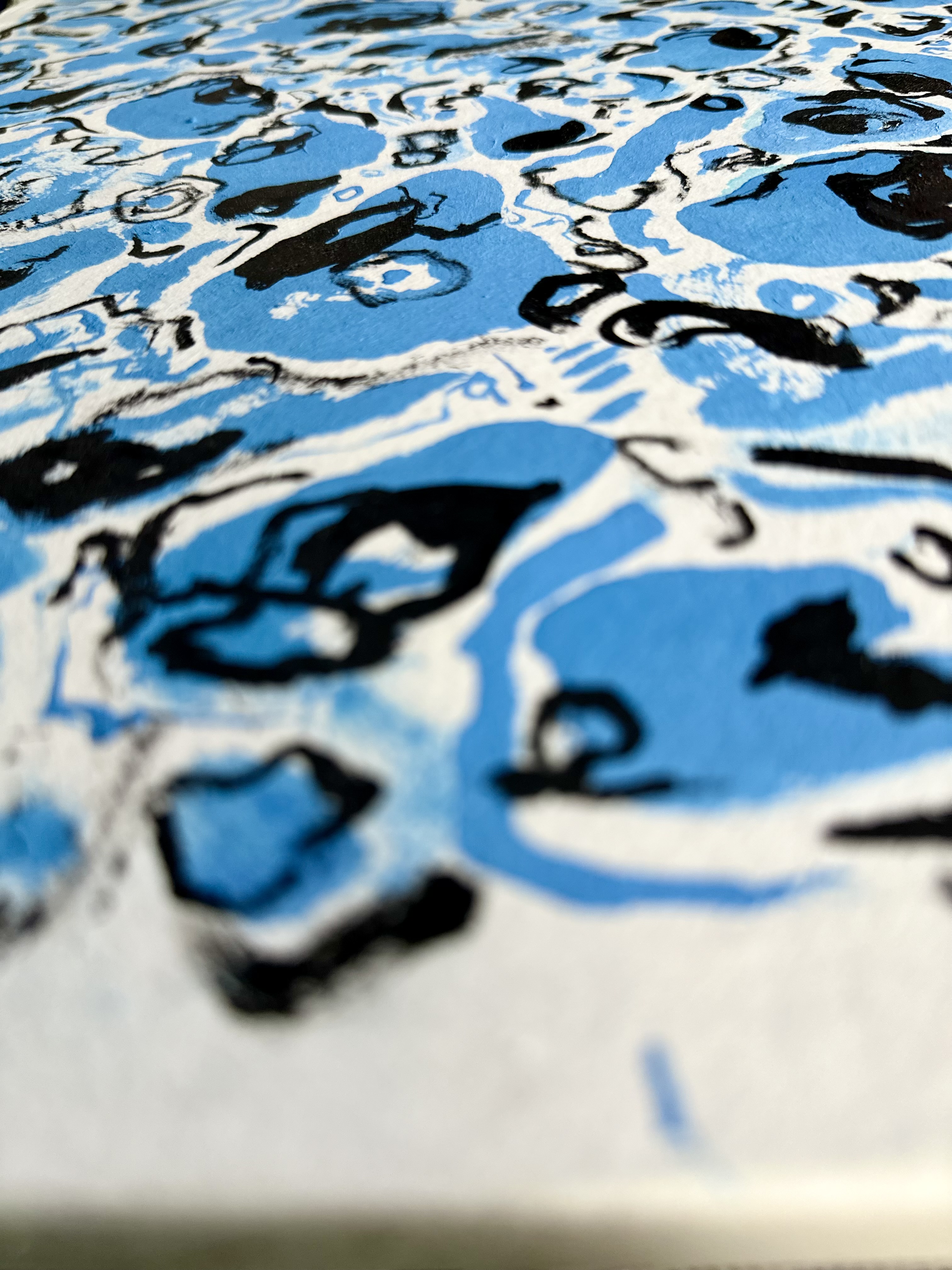
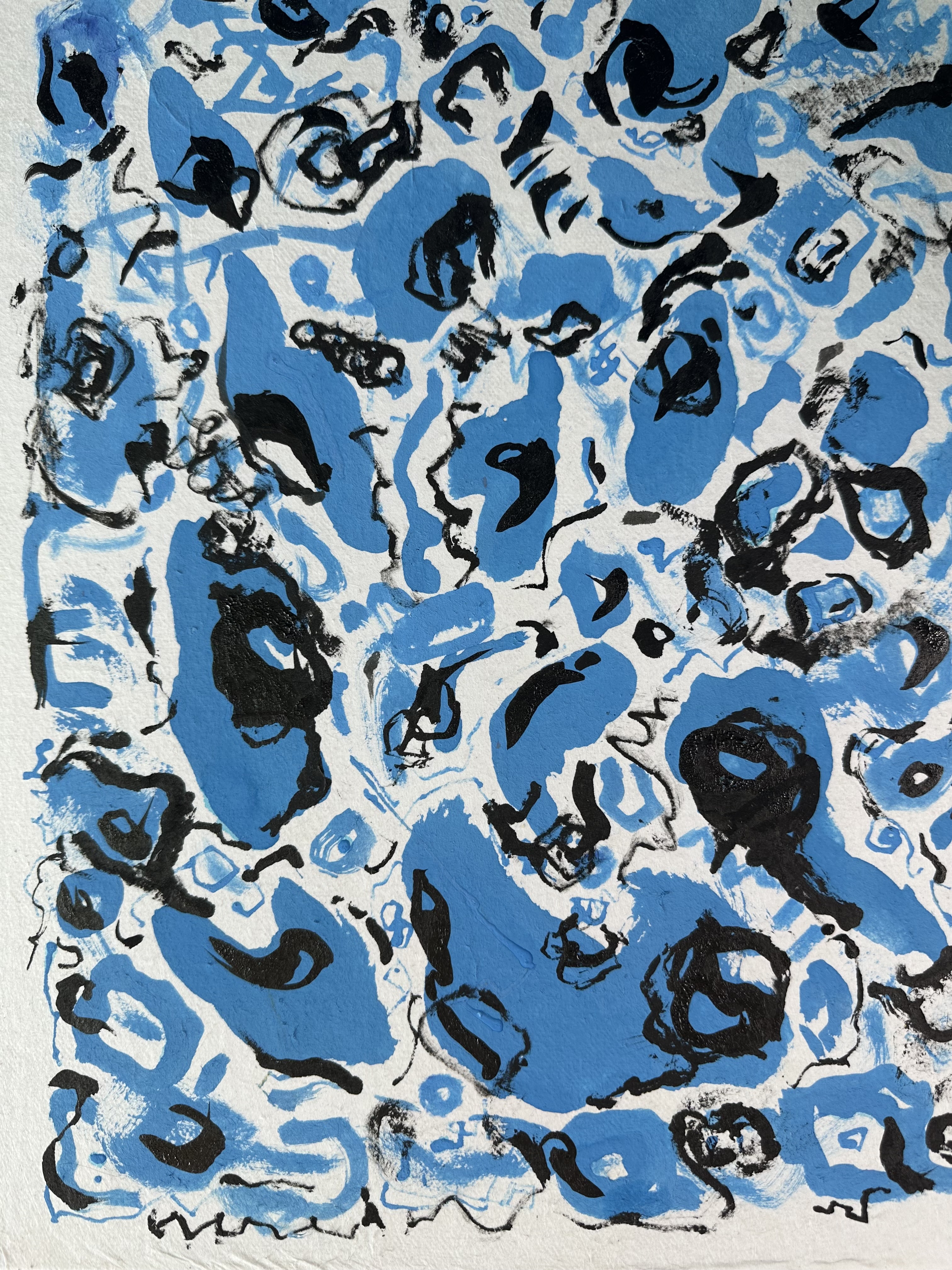
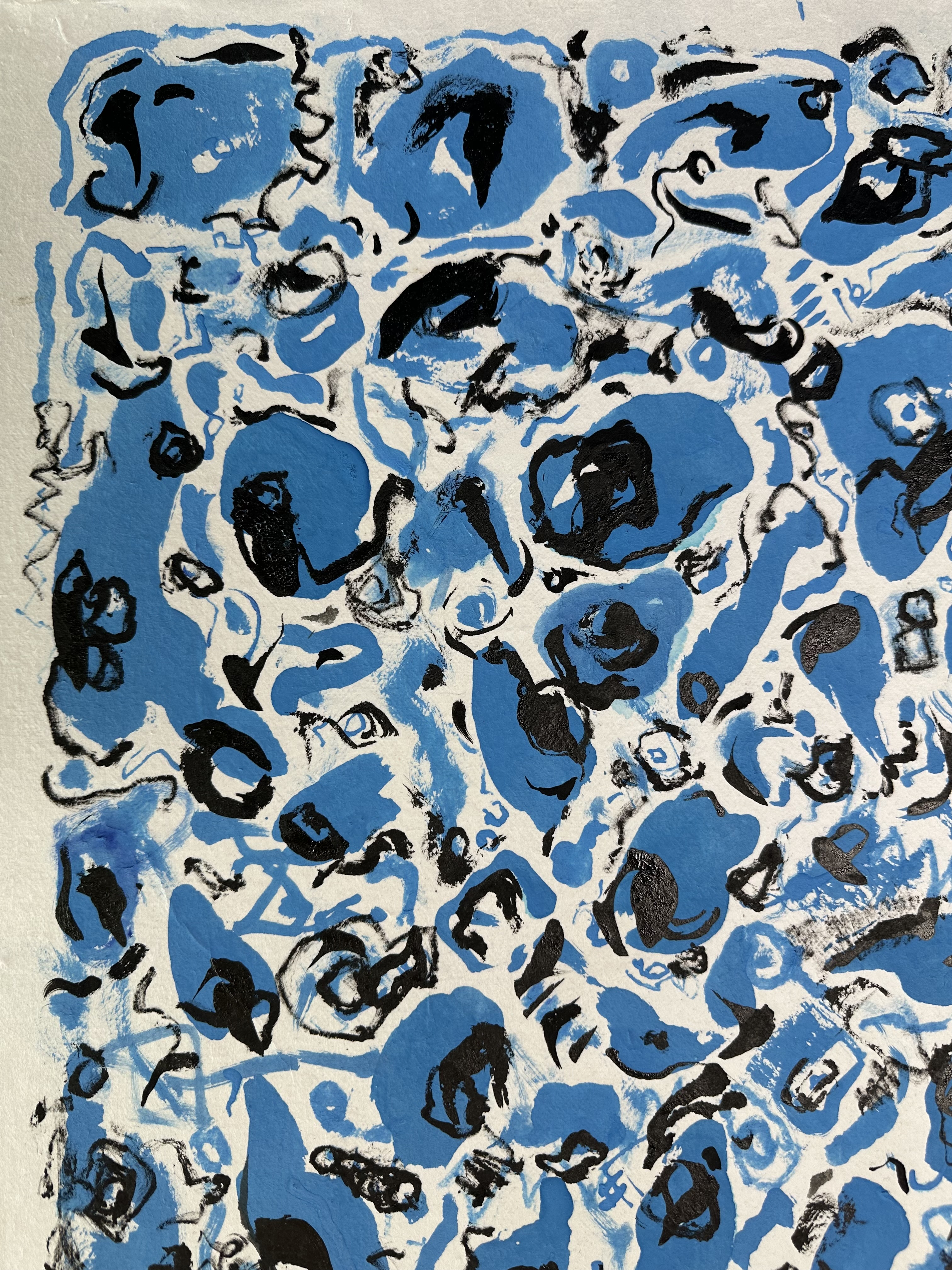
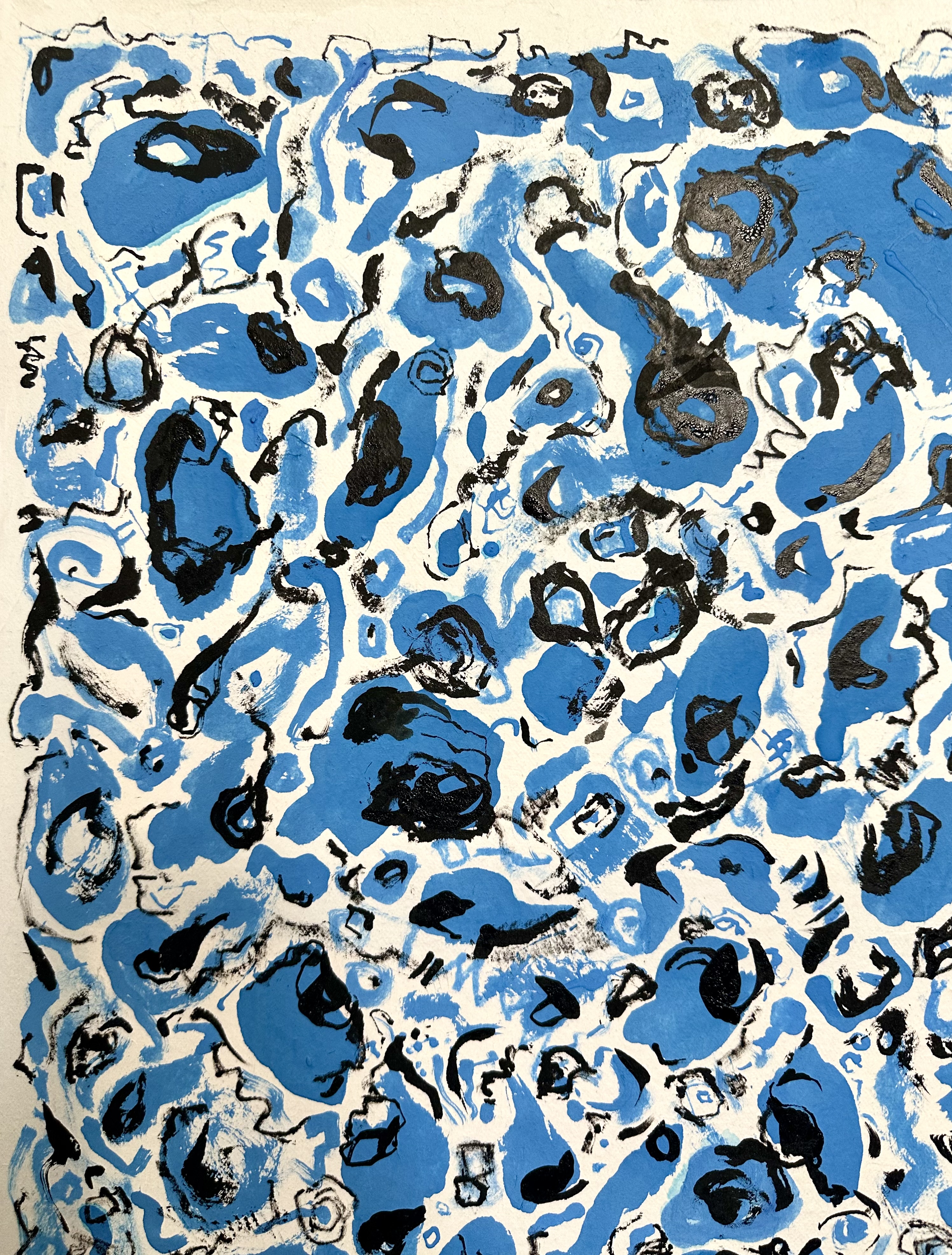
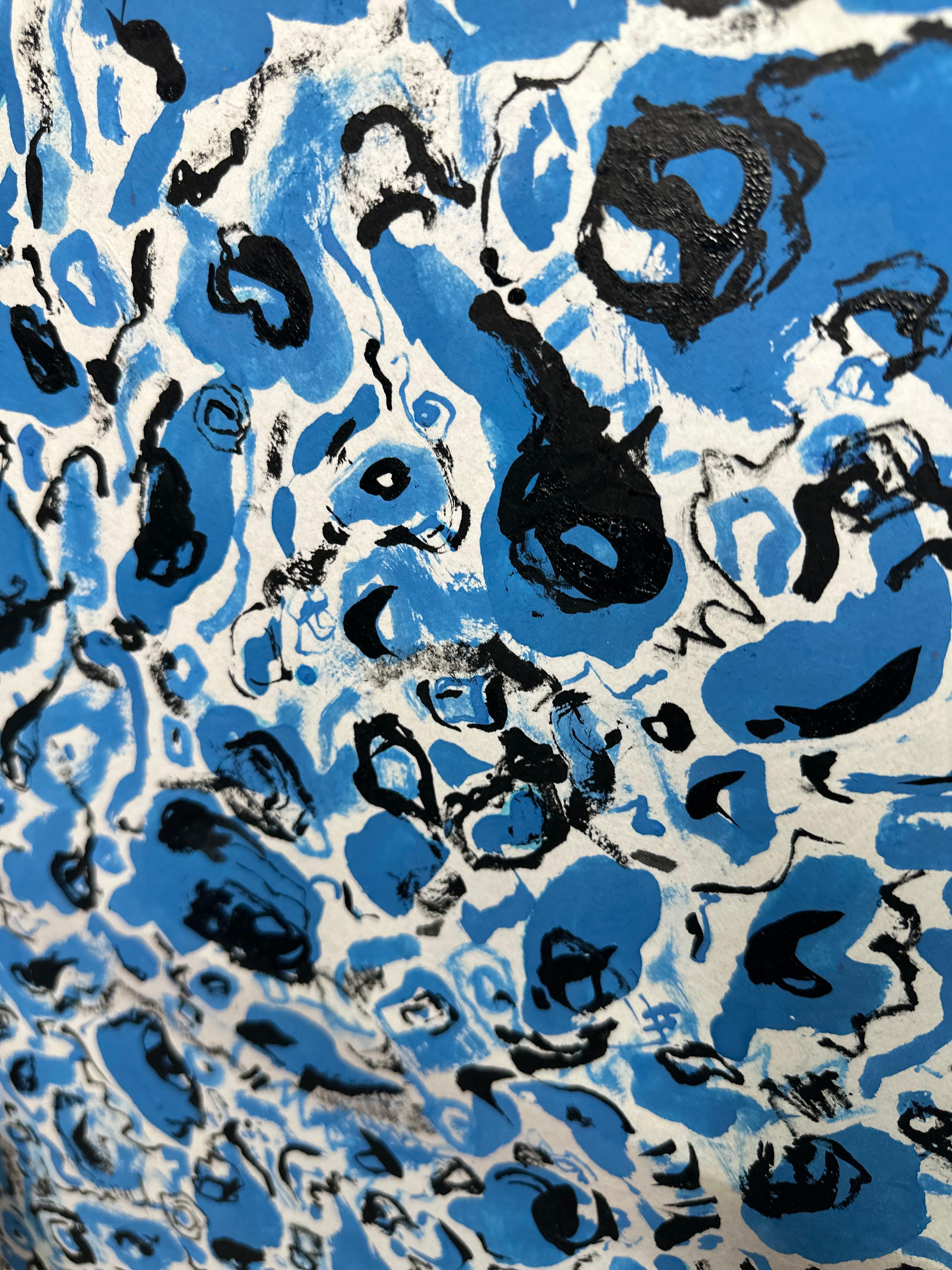
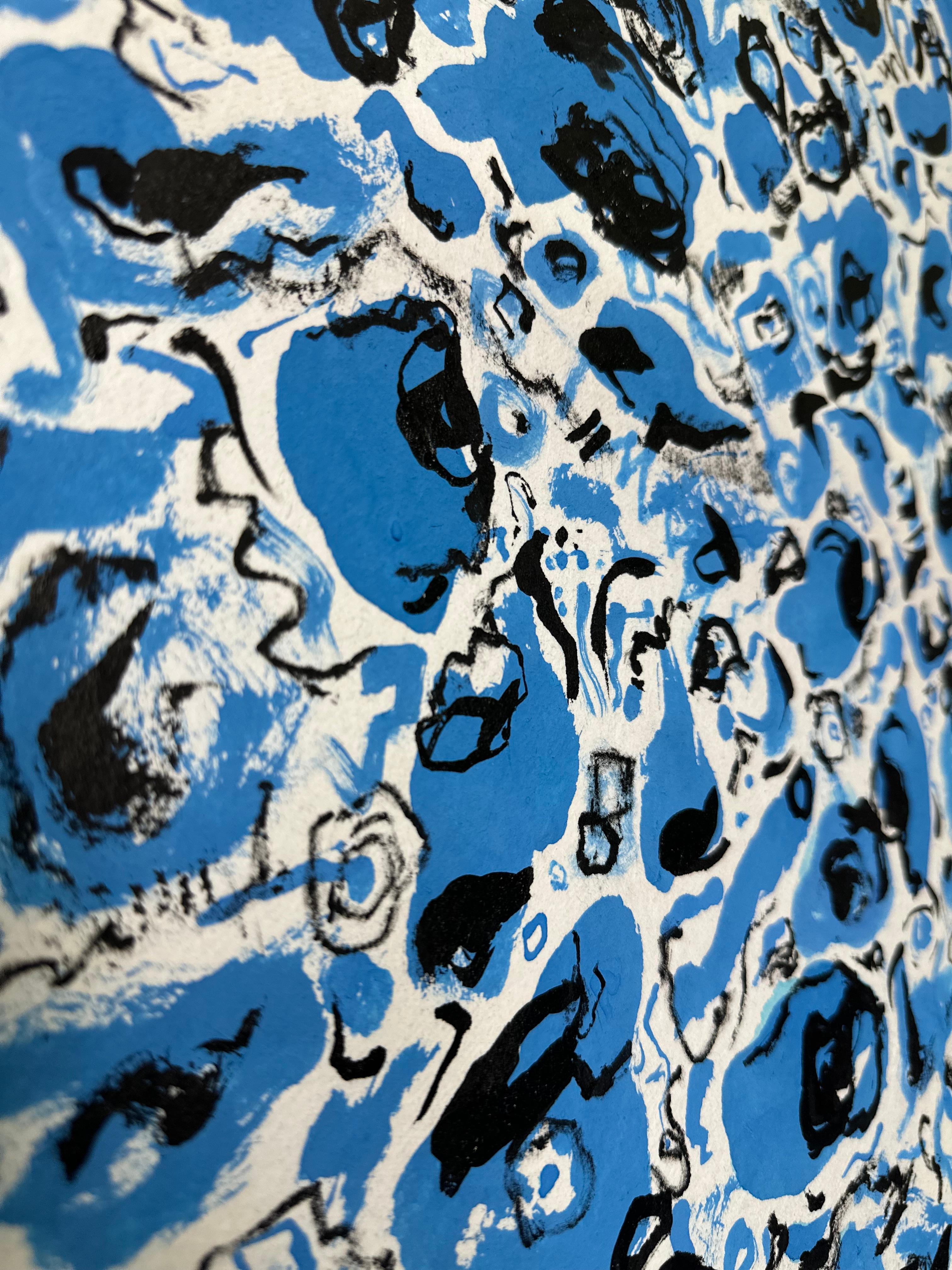
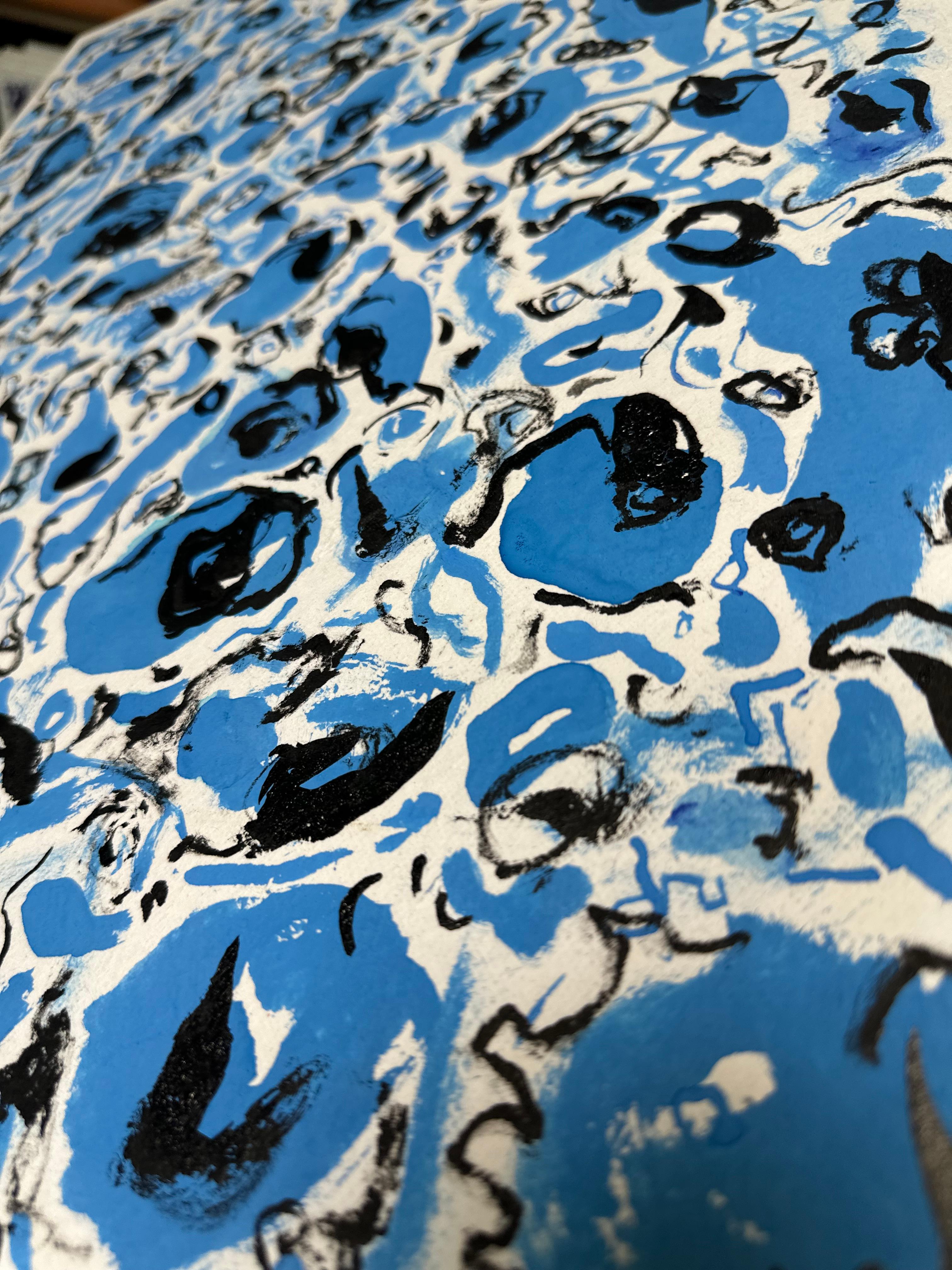
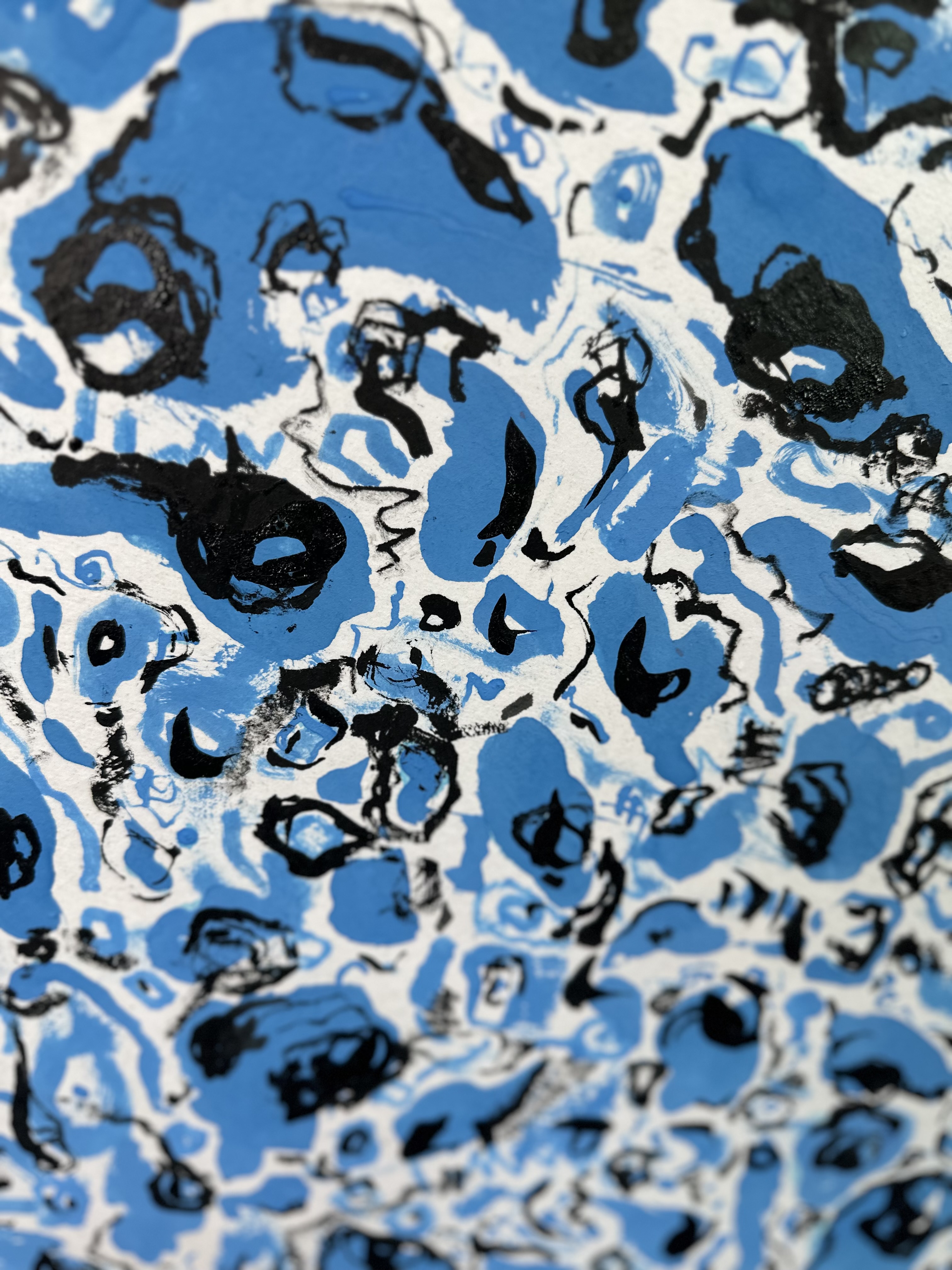
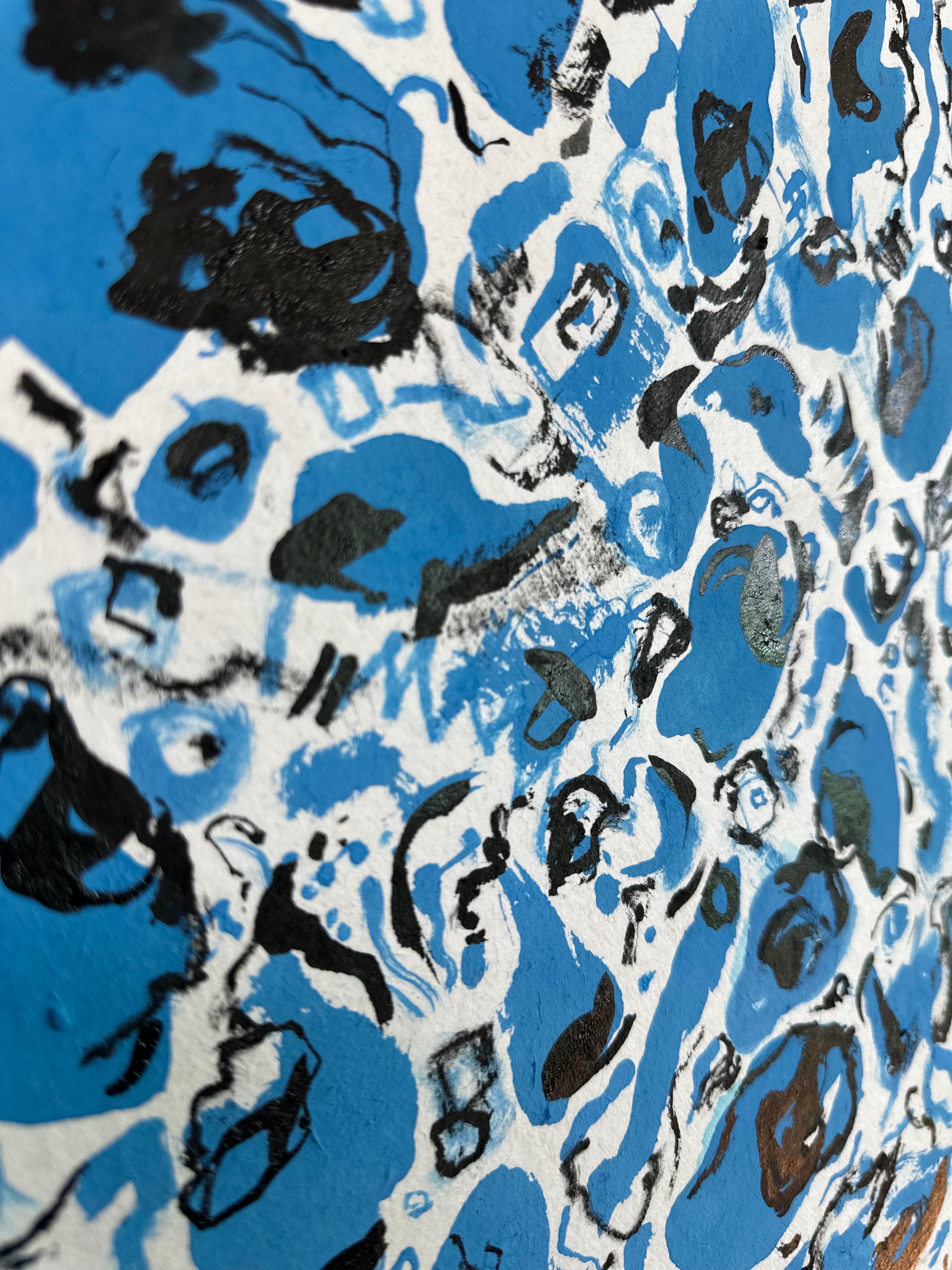
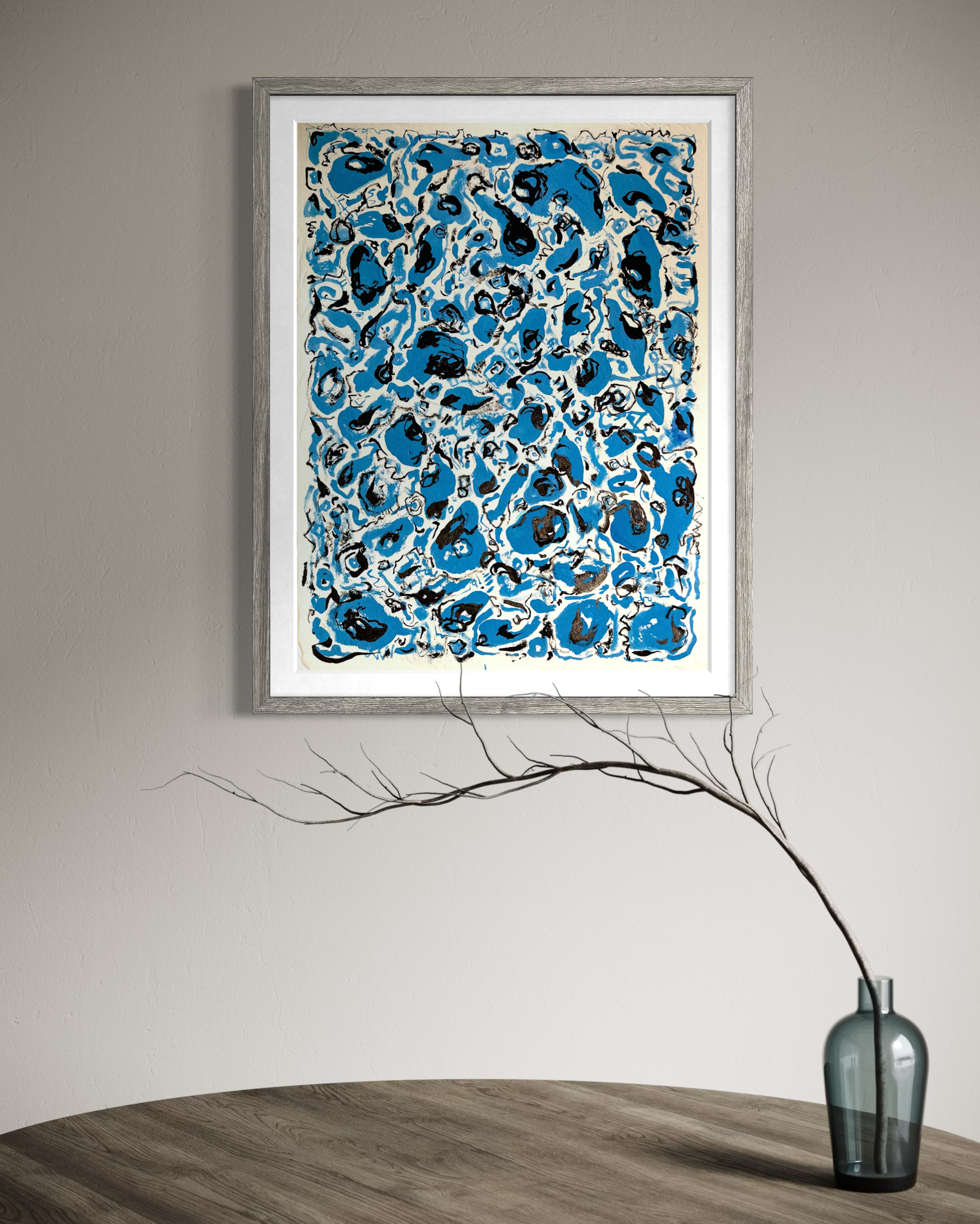
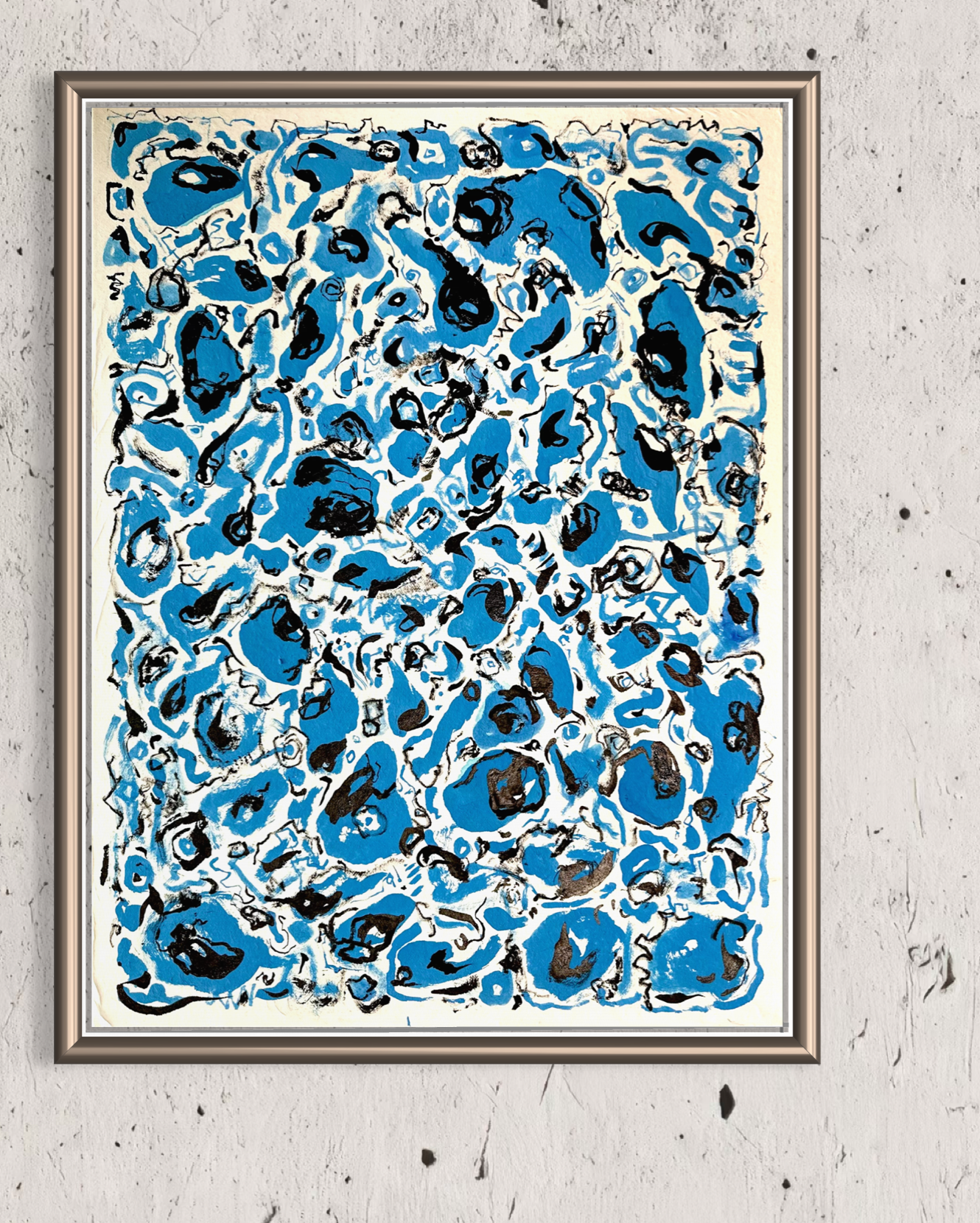
Blue hit the surface and stayed. Swollen in some places, it is barely there in others. Each form dictates its own arrival, weight, and terminal point. Ink and pigment passed through differently every time, driven by large brushes, small brushes, cotton swabs, and broken twigs used like fountain pen nibs. No two marks share the same logic or velocity. Proximity reveals a chaotic theater of materials; distance coalesces them into a singular, breathing skin. This surface acts as a tactile threshold where raw intuition precedes cognitive decoration. Each mark preserves the friction of its genesis, existing as an unmediated rhythm where no gesture apologizes to another. PREX MEA #2 remains a violent yet serene record of pure alignment.
푸른 안료가 화면에 닿아 선명하게 머무른다. 어떤 곳에서는 물성이 부풀어 오르고, 어떤 곳에서는 흔적만 간신히 존재한다. 각각의 형태는 스스로의 도착과 무게, 그리고 멈춰 설 지점을 직접 결정한다. 안료와 먹은 매번 다른 궤적으로 그 공간을 관통한다. 그것들은 큰 붓과 작은 붓, 면봉 솜의 문지름, 그리고 만년필 촉처럼 쓰인 꺾인 나뭇가지가 남긴 흔적들이다. 같은 논리를 가졌거나 같은 속도로 달린 흔적은 존재하지 않는다. 가까이 서면 물질들이 충돌하는 격렬한 사건이 보이고, 멀어지면 그것들이 하나의 살아있는 피부로 응집된다. 이 화면은 인지적인 가공이 개입하기 전에 감각이 먼저 쏟아져 나온 촉각적 임계점이다. 각각의 몸짓은 생성되던 순간의 마찰력을 고스란히 보존하며, 어떤 몸짓도 다른 형태에게 양해를 구하지 않는 독립적인 리듬으로 살아 숨 쉰다. PREX MEA #2는 순수한 정렬이 남긴, 격렬하면서도 고요한 기록이다.
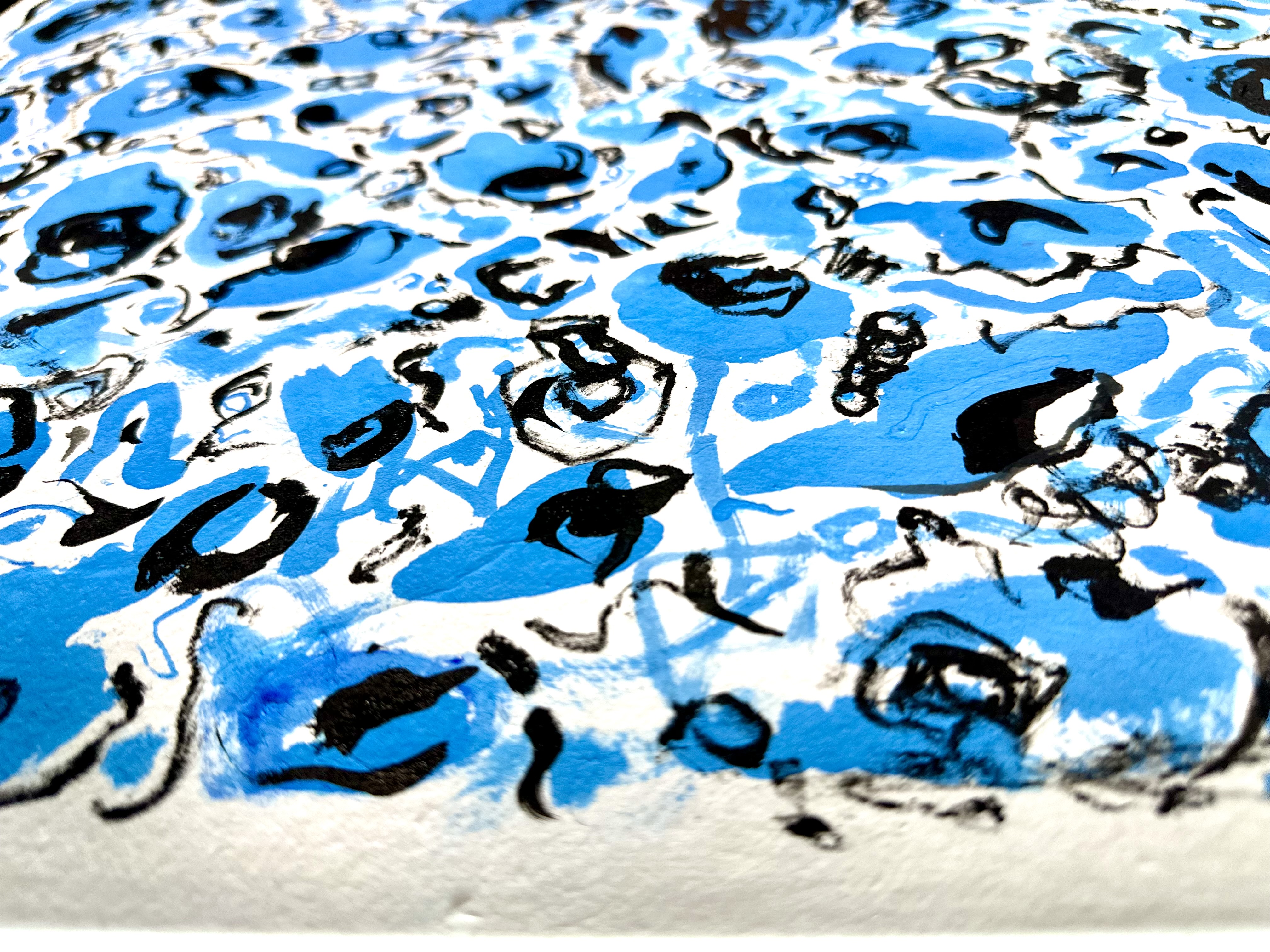
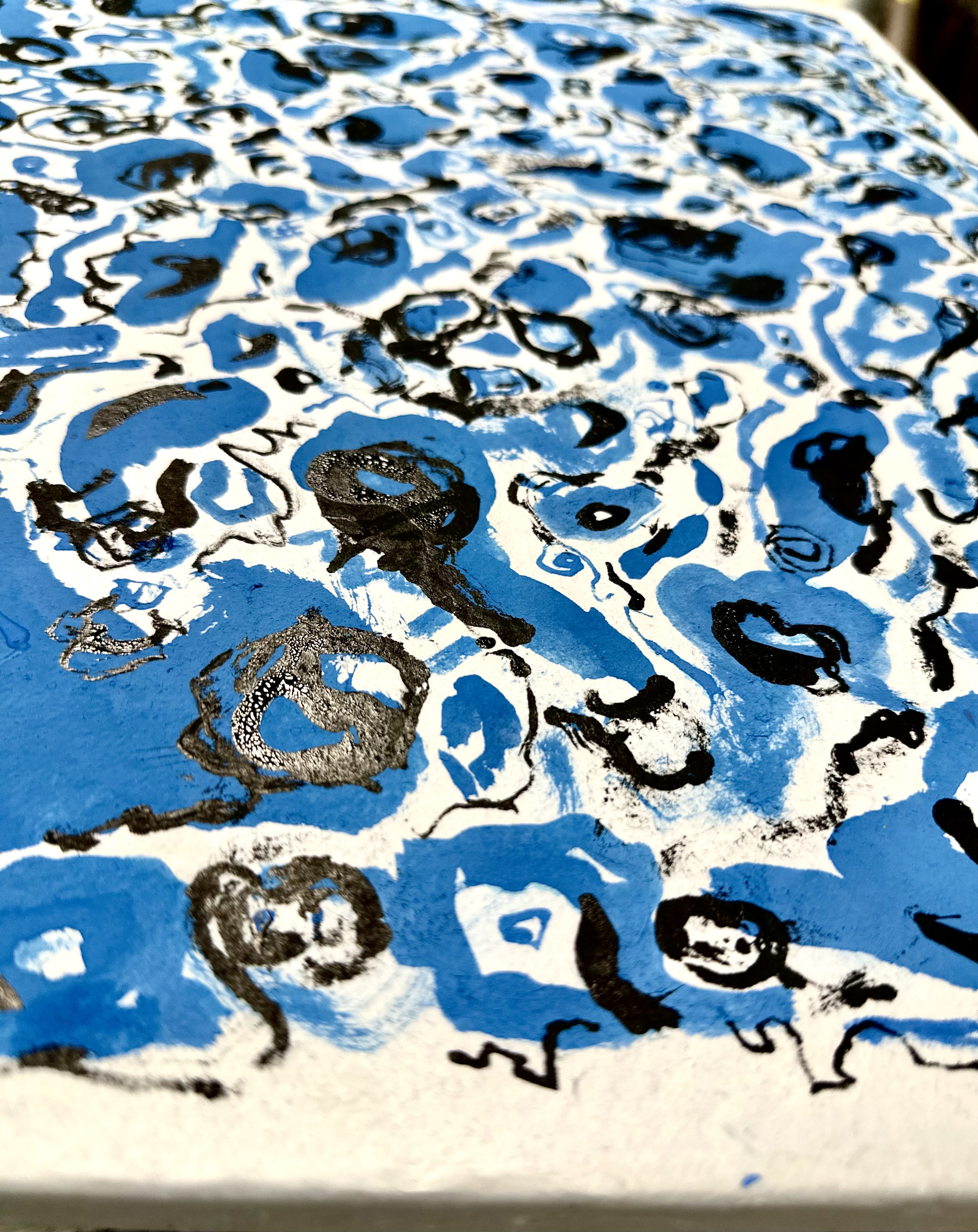
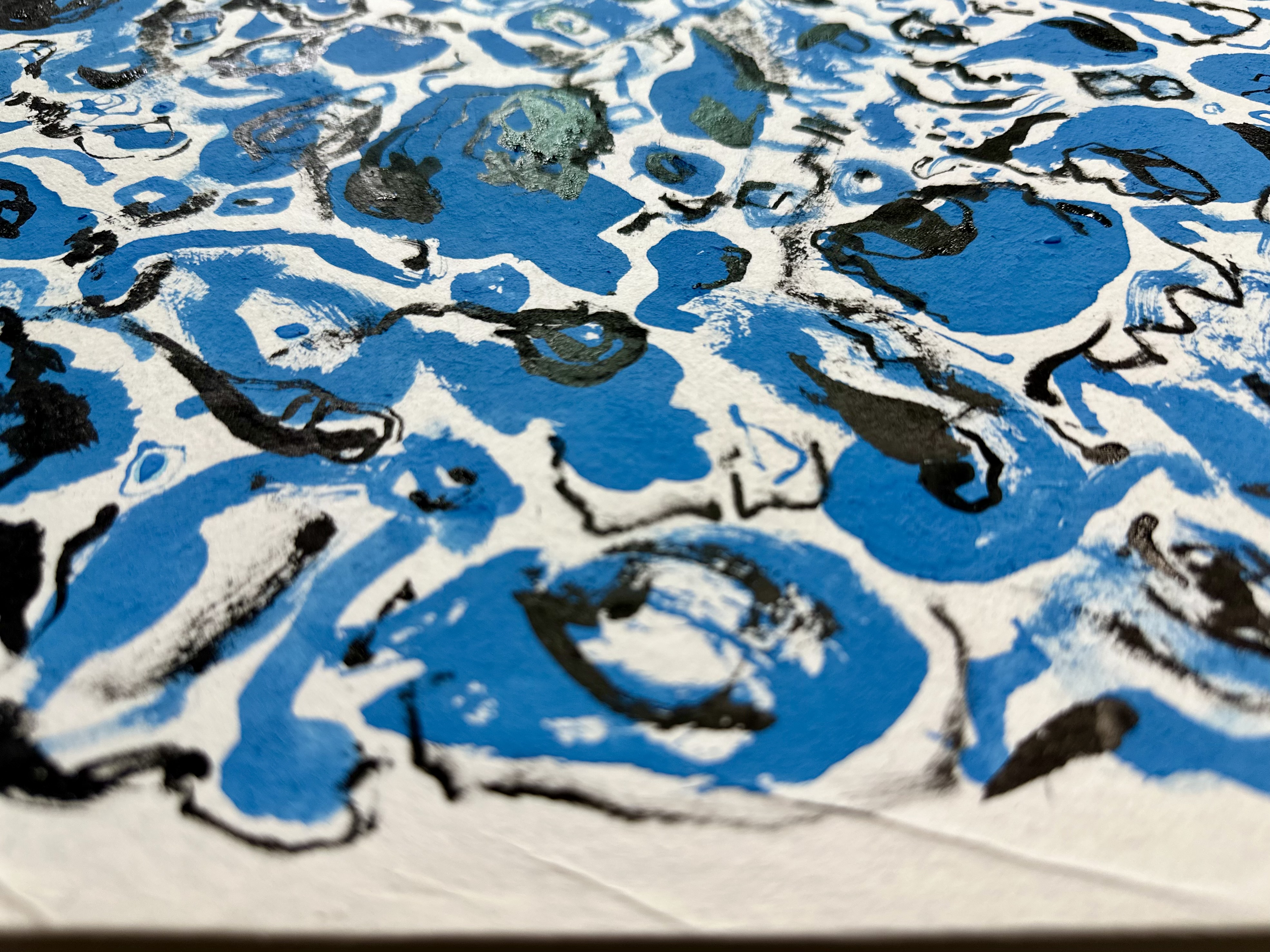
The marks in PREX MEA #2 did not accumulate through calculated planning. They arrived the way inspiration arrives—swift, multifaceted, each carrying its own distinct energy before the previous layer could settle. Blue was laid down in heavy masses that spread and bled into the hanji, swelling where the pigment accumulated and thinning where the gesture moved onward. Ink and pigment followed in their own time and manner. Long strokes from large brushes slice across the field, while small brushes deposit dense, compact pressings. Cotton swabs leave soft, smeared traces embedded in the fibers, and a broken twig, used like a nib, scratches the grain, rolling and dotting across the surface.
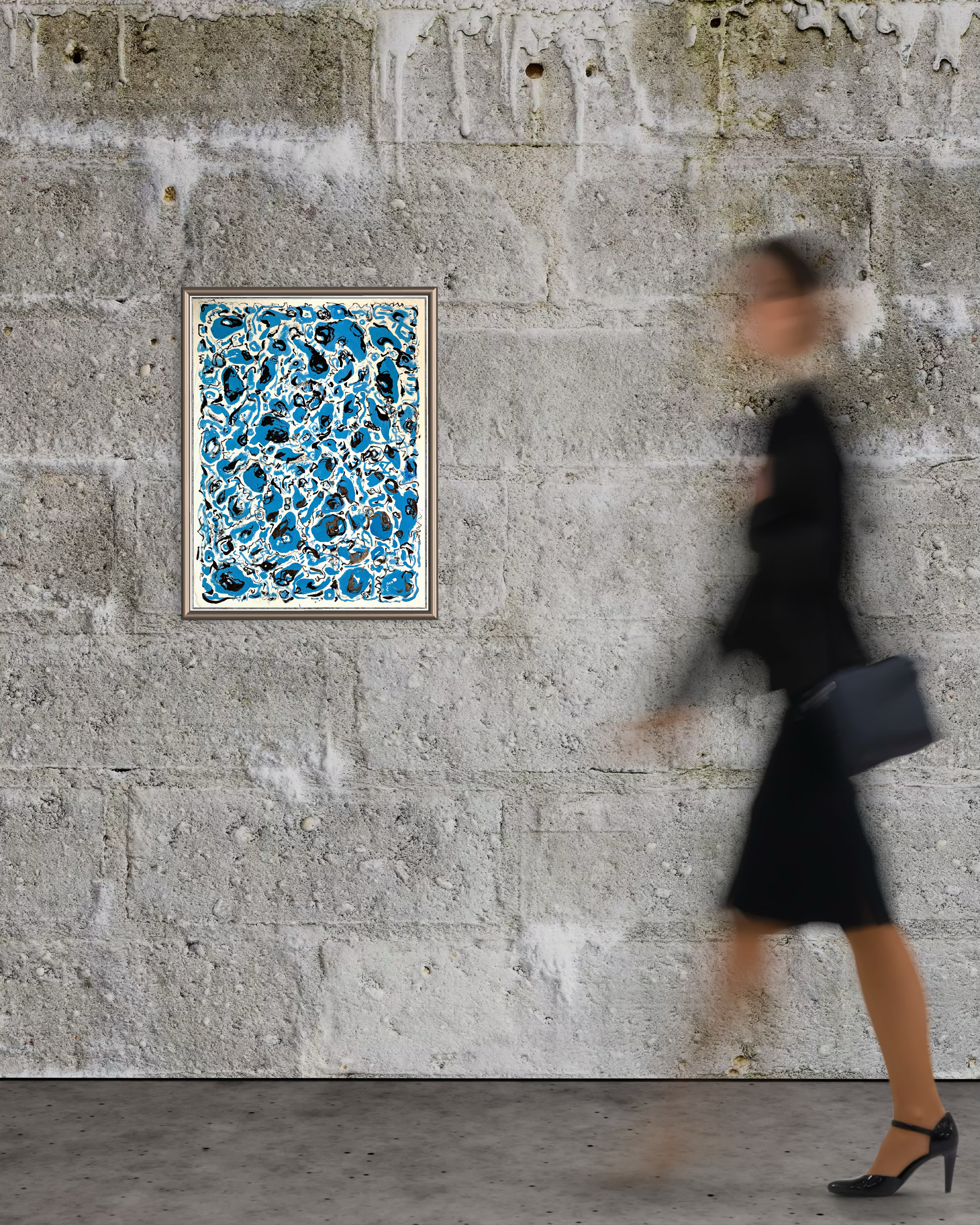
No two marks share the same character. Some possess a deliberate weight, while others land sideways, catching the surface at an unpredictable angle. Certain blue forms carry the fullness of intentional placement; others look as though they halted mid-motion. The ink nested inside specific forms feels entirely integrated, whereas the marks running across the bare ground operate within a faster, looser system that remains indifferent to the blue. Each rhythm coexists without overtaking the other. Proximity separates the surface into distinct physical events, while distance fuses those events into a unified presence. The painting holds both the instant of execution and the reality of what was made.
PREX MEA #2에 새겨진 흔적들은 계산된 계획을 통해 천천히 축적된 것이 아니다. 그것들은 영감이 찾아오는 방식과 같이 매우 빠르고 다각적으로 당도했으며, 이전의 층위가 미처 가라앉기도 전에 각자의 고유한 에너지를 화면에 쏟아내었다. 푸른 안료는 한지 위로 번지고 스며드는 거대한 덩어리로 놓였다. 안료가 뭉친 곳은 두껍게 부풀어 오르고, 몸짓이 무심히 지나간 자리는 얇게 흐려진다. 안료와 먹은 각자의 시간과 방식으로 그 뒤를 따른다. 큰 붓이 만든 긴 필선은 공간을 거침없이 가로지르고, 작은 붓은 밀도 있고 단단한 찍음들을 화면에 안착시킨다. 면봉은 안료를 문질러 한지 섬유 속에 부드러운 자국을 남기고, 만년필 촉처럼 꺾인 나뭇가지는 결을 긁고 지나가며 둥글게 굴린 점들을 찍어낸다.
어떤 흔적도 동일한 성격을 공유하지 않는다. 어떤 자국은 의도적인 무게감을 지니지만, 다른 자국은 옆으로 미끄러지며 표면을 비스듬히 붙잡는다. 특정 푸른 형태들은 정성껏 배치된 충만함을 보여주는 반면, 어떤 형태들은 움직이던 도중에 멈춰 선 것처럼 보인다. 특정 형태 내부에 중첩된 먹은 안락하게 자리 잡은 느낌을 주지만, 형태들 사이의 바탕을 가로지르는 흔적들은 푸른 안료가 세운 질서에 전혀 개의치 않는 더 빠르고 느슨한 체계 속에서 움직인다. 모든 리듬은 서로를 압도하지 않으며 공존한다. 가까이서 보면 모든 것이 개별적인 물리적 사건으로 분리되고, 멀어지면 하나의 거대한 현재감으로 응집된다. 이 그림은 격정적인 제작의 순간과 이미 만들어진 물질적 사실을 동시에 보유한다.
"A critical essay written from a third-party perspective."
Sustained looking is a practice that has largely gone out of fashion. This does not mean an absence of sight; we constantly look at everything in our saturated visual culture. Rather, it refers to a deeper methodology: the kind of looking that returns to the same surface repeatedly, resisting an immediate reading in favor of secondary and tertiary encounters. It understands structural incompletion not as a painterly failure, but as the primary condition under which a complex visual economy can remain honest. It is a willingness to inhabit formal difficulty without rushing toward conceptual resolution, recognizing that premature interpretation is its own form of critical misreading. Kim Jun-sung’s PREX MEA #2 is designed precisely for this demanding tier of engagement, and it thoroughly earns the attention it requests.
The pictorial surface presents two dominant material presences: a saturated cerulean that commands the majority of the field, and an ink that navigates this territory through multiple, non-unified trajectories. What is immediately striking about this work is not a harmonious relationship between these elements, but the sheer, unadulterated variety of how each mark arrived. The blue is not a monolithic color field laid evenly across a ground. It descended in volatile masses, swelling where the oriental pigment accumulated through repeated, physical applications, and fraying into thin, translucent strata where the artist's gesture moved on before the support could be fully obscured. At the margins of these forms, the pigment gathered density as it dried, leaving slight, structural rings that remain as physical records of the exact moment when dynamic movement translated into absolute stillness.
Ink and pigment enter this open field through an expanded lexicon of unconventional tools. Long strokes executed with a large brush traverse the cerulean ground without deceleration. Short, dense pressings from a smaller brush sit compact and heavily weighted upon the fibers. Cotton swabs have been utilized to smear and drive the raw pigments directly into the skin of the hanji, leaving soft, diffused blurs that contrast with the structural marks. Concurrently, a broken twig, snapped and deployed like a crude fountain pen nib, has dragged across the grain, rolled over the texture, and left staccato, percussive dots. In certain sectors, the ink exists entirely inside the blue, nested within a form as though it belonged there from the genesis of the work. In other sections, it traces the outer contours without ever crossing them. Elsewhere, it travels across the bare ground with no relationship to the blue at all, operating as though it inhabited an entirely different painting simultaneously.
No two marks share the same internal logic. This deliberate heterogeneity is the surface’s central aesthetic achievement and its primary demand upon the viewer. For the spectator, this means that no single interpretive framework can hold the painting captive. An eye that arrives with a predefined matrix—seeking traditional harmony, binary tension, or call-and-response—will find temporary evidence for its theory in one quadrant, only to have that theory completely complicated in the next. The painting aggressively rejects critical generalization. Instead, it insists on the absolute particularity of the mark: this specific trace, here, in this immediate relationship to adjacent marks, at this precise moment in the history of the surface. Moving a mere six inches alters the relational architecture entirely. Moving to the opposite side of the room causes these sharp particulars to dissolve into a singular, accumulated density that possesses its own distinct character, no longer separable into its operational components. Both viewing distances are true; neither can claim to be the correct one.
What the canvas ultimately offers is not a composition that resolves into a tidy linguistic meaning, but a field of simultaneous, raw energies. Each rhythm remains distinct, each mark carries the velocity of its physical making, and the whole is bound together not by academic structure, but by the shared, immutable fact of having occurred at the same time, on the same surface, through a sustained outpouring of inspiration. This is where the work's deeper dimension opens. The paintings of the PREX MEA series do not illustrate intellectual propositions; they enact an existential posture toward complexity. It is the posture of a practitioner who understands that to see an object clearly requires standing in more than one place. This is not done to accumulate positions into a final verdict, but because each vantage point reveals what the others systematically conceal. The mark that reads as pure weight from a close distance transforms into pure rhythm from afar. The blue that appears dominant from one angle functions as the background ground from another. The ink that initially seemed to interrupt the field reveals, from a alternative distance, that it was always completing the space.
This quality of mobile, sustained attention has a precise name in the aesthetic traditions from which Kim's practice emerges: 관조 (Gwan-jo). It signifies not a passive reception of images, but an active, unhurried, and uncoercive presence to what is actually there. It is the antithesis of the glance that categorizes an artwork and immediately moves on. In a deeper sense, it functions as an ethical posture: a refusal to reduce what is inherently complex to something easily manageable, an insistence on understanding before passing judgment, and an awareness that the gap between what one sees initially and what one perceives through sustained attention is where true artistic significance resides. PREX MEA #2 is difficult in this specific, rewarding way. It requests more duration than most viewers are accustomed to sacrificing, and it offers something entirely different at every stage of that time. From close proximity, it presents isolated physical events; from afar, a unified density. Between these two states, something shifts perpetually. It does not resolve because it was built to remain open, holding the rare condition of honest vision as long as the viewer is willing to stay. That is what makes it, in the end, an incredibly serious painting.
(이 글은 제3자 비평가의 시점에서 기술된 비평 에세이입니다)
지속적인 바라봄은 현대 미술에서 대체로 유행이 지난 실천 중 하나이다. 이는 단순히 시각적 행위가 부재한다는 의미가 아니다. 우리는 시각 정보가 포화된 사회 속에서 모든 것을 끊임없이 바라보며 살아가고 있다. 비평가가 말하고자 하는 것은 더 깊은 차원의 방법론이다. 즉, 동일한 화면으로 몇 번이고 다시 돌아오는 것, 첫 번째 눈길이 주는 즉각적인 독해에 저항하며 두 번째와 세 번째의 대면을 선택하는 것, 그리고 구조적 미완성을 회화적 실패가 아니라 복잡한 시각 구조가 정직하게 생존할 수 있는 유일한 조건으로 이해하는 태도를 의미한다. 개념적인 결론을 향해 서둘러 달아나지 않고 형식적인 난해함 내부에 기꺼이 머무는 이러한 의지는, 섣부른 해석이 그 자체로 작품에 대한 치명적인 오독이 될 수 있음을 인지하는 데서 출발한다. 김준성의 PREX MEA #2는 이처럼 까다로운 수준의 응시를 위해 고안되었으며, 자신을 찾아온 관람자의 주의 집중을 온전히 가치 있게 만든다.
회화적 표면은 두 가지 지배적인 물질적 현존을 우리에게 제시한다. 그것은 화면의 대부분을 지배하는 포화된 청색 안료와, 그 내부를 단일하지 않은 방식으로 종횡무진 가로지르는 먹이다. 이 작품에서 즉각적으로 눈을 사로잡는 것은 두 요소 사이의 조화로운 관계가 아니라, 각각의 흔적들이 화면에 당도한 방식이 보여주는 경이로운 다양성 그 자체이다. 푸른색은 바탕 위에 균일하게 칠해진 평면적 색채가 아니다. 그것은 거대한 물성의 덩어리로 내려앉았으며, 반복적인 행위를 통해 안료가 누적된 곳에서는 거칠게 부풀어 오르고 한지 캔버스가 완전히 덮이기 전에 작가의 몸짓이 지나간 자리에서는 얇고 투명하게 갈라진다. 형태의 가장자리에서 안료는 건조되는 과정 동안 스스로 축적되어 미세한 테두리들을 남겼는데, 이는 역동적인 움직임이 절대적인 정지로 전환되던 순간을 증언하는 물리적 기록이다.
먹과 안료는 작가가 선택한 비전통적 도구들이 가진 모든 레지스터를 활용하여 이 열린 장 안으로 침투한다. 큰 붓으로 과감하게 그어 내린 긴 필선들은 청색의 영역을 멈춤 없이 가로지른다. 작은 붓이 가한 밀도 높고 단단한 압박은 화면 위에 무겁고 콤팩트하게 내려앉아 있다. 면봉의 솜은 안료를 문지르고 밀어내어 한지 섬유의 깊은 속살까지 색을 완전히 밀착시켰고, 이는 주변의 선명한 흔적들과 대비되는 부드럽고 확산된 얼룩을 형성한다. 이와 동시에 꺾여 부러진 나뭇가지는 거친 만년필 촉처럼 사용되어 한지의 결을 긁고 지나가며, 표면의 질감 위를 구르고 부딪히며 스타카토 같은 타악기적 점들을 남긴다. 어떤 영역에서 먹은 완전히 푸른 형태의 내부에 중첩되어 처음부터 그 자리에 속해 있었던 것처럼 존재한다. 다른 영역에서 먹은 선을 넘지 않고 푸른색의 바깥 가장자리를 따라 흐른다. 또 다른 곳에서 먹은 파랑과 아무런 상관없이 드러난 바탕 위를 독립적으로 움직이는데, 이는 마치 동시에 진행되는 전혀 다른 그림 안에서 작동하고 있는 것처럼 보이기까지 한다.
어떤 두 흔적도 동일한 내부 논리를 공유하지 않는다. 이 의도적인 이질성이야말로 이 화면이 성취한 중심적인 미학적 가치이며 관람자에게 요구하는 핵심적인 태도이다. 관람자의 입장에서 이는 어떠한 단일한 비평적 독해도 이 그림을 가두어둘 수 없음을 의미한다. 전통적인 조화나 이분법적 긴장, 혹은 호응과 같은 정형화된 틀을 가지고 도착한 시선은 화면의 한 구석에서 자신의 이론을 뒷받침할 증거를 일시적으로 찾을 수 있겠지만, 바로 다음 영역으로 시선을 옮기는 순간 그 이론이 완벽하게 깨어지는 경험을 하게 된다. 이 그림은 비평적 일반화를 격렬하게 거부한다. 대신 화면은 흔적이 지닌 절대적인 특수성을 고집한다. 즉 이 흔적이, 바로 여기에서, 인접한 흔적들과 맺고 있는 이 구체적인 관계성과, 화면의 역사 속에서 포착된 이 정확한 순간만을 고집하는 것이다. 단 6인치만 시선을 이동해도 관계의 구조는 완전히 뒤바뀐다. 방 반대편으로 멀어지면 이 날카로운 특수성들은 하나의 거대한 밀도 안으로 녹아들어 가는데, 그것은 여전히 독자적인 성격을 지닌 채 현존하지만 더 이상 개별적인 구성 요소들로 분리되지 않는다. 두 가지 거리에서 보는 화면은 모두 진실이며, 어느 쪽도 유일하게 올바른 시점이라고 주장할 수 없다.
결과적으로 캔버스가 궁극적으로 제공하는 것은 하나의 깔끔한 언어적 의미로 해소되는 미학적 구성이 아니라, 동시 다발적으로 폭발하는 가공되지 않은 에너지들의 장이다. 각각의 리듬은 선명하게 구별되고, 각각의 흔적은 그것이 만들어지던 순간의 물리적 속도를 여전히 머금고 있으며, 전체 화면은 인위적인 구조가 아니라 같은 시간, 같은 화면 위에서 강력한 영상의 분출을 통해 일어났다는 공유된 사실 자체에 의해 결속된다. 바로 이 지점에서 작품이 지닌 더 깊은 차원의 미학이 열린다. PREX MEA 연작의 그림들은 지적인 명제를 설명하기 위해 존재하는 것이 아니라, 복잡성을 대면하는 예술가의 실존적 자세를 수행한다. 그것은 사물을 명확하게 바라보기 위해서는 반드시 하나 이상의 자리에 서야 한다는 것을 깨달은 자의 자세이다. 이는 다양한 입장들을 취합하여 하나의 최종적인 평결을 내리기 위함이 아니다. 각 시점은 오직 그 자리에서만 볼 수 있는 독자적인 풍경을 드러내고 다른 시점들이 숨기고 있는 것을 폭로하기 때문이다. 가까이서 보면 순수한 무게감으로 읽히던 흔적이 멀리서는 경쾌한 리듬으로 전환된다. 한 각도에서 지배적으로 보이던 파랑이 다른 각도에서는 묵묵한 바탕으로 기능한다. 처음에는 화면을 방해하는 것처럼 보이던 먹의 침입이, 거리를 두고 바라보면 언제나 공간을 완성하고 있었음을 드러낸다.
이처럼 끊임없이 이동하며 지속되는 주의 깊은 시선의 질은, 김준성의 작업이 뿌리를 두고 있는 동양의 미학적 전통 안에서 '관조(觀照)'라는 명확한 이름으로 불린다. 관조는 이미지를 수동적으로 수용하는 것에 머무는 것이 아니라, 실제로 거기 존재하는 대상에 대해 능동적이고 서두르지 않으며 강요하지 않는 태도로 온전히 현재하는 행위이다. 그것은 예술 작품을 서둘러 분류하고 곧바로 자리를 떠나버리는 경박한 시선과 철저히 대척점에 서 있다. 더 깊은 의미에서 관조는 하나의 윤리적 자세로 기능한다. 본질적으로 복잡한 대상을 다루기 쉬운 형태로 환원해 버리기를 거부하는 고집이며, 판단을 내리기 전에 대상을 온전히 이해하겠다는 선언이다. 또한 처음 눈에 들어오는 것과 지속적인 응시를 통해 비로소 보게 되는 것 사이의 간격 자체가 가장 유의미한 예술적 가치임을 인지하는 태도이다. PREX MEA #2는 이처럼 특수하고도 가치 있는 방식으로 난해하다. 이 작품은 대부분의 관람객들이 미술품에 할애하는 것보다 훨씬 더 많은 시간의 희생을 요구하며, 그 시간의 모든 단계마다 완전히 다른 시각적 경험을 제공한다. 가까이서는 고립된 물리적 사건들을 보여주고, 멀리서는 통일된 밀도를 제시한다. 이 두 가지 상태의 사이에서 무언가가 끊임없이 생성되고 변화한다. 단일한 해소로 귀결되지 않는 이유는 이 그림이 처음부터 열린 상태로 남겨지도록 제작되었기 때문이며, 관람자가 기꺼이 머무를 의지를 가질 때에만 정직한 시선의 조건을 허락하기 때문이다. 그것이 결국 이 작품을 범접할 수 없이 진지한 회화의 반열에 올려놓는 이유이다.




'Art > PREX MEA Series' 카테고리의 다른 글
| PREX MEA. #5 : 동류 同流 — Adrift, Together (0) | 2026.06.20 |
|---|---|
| Prex Mea. #4 : 침잠(沈潛) - Submergence (0) | 2026.06.16 |
| Prex Mea. #3 : 수색 (守色) : Keeping the Color (0) | 2026.06.10 |
| Prex Mea. #1 (Floating between Image and Gesture) (0) | 2026.06.04 |
| PREX MEA Series intro (0) | 2026.06.04 |