2026. 6. 10. 19:42ㆍArt/PREX MEA Series
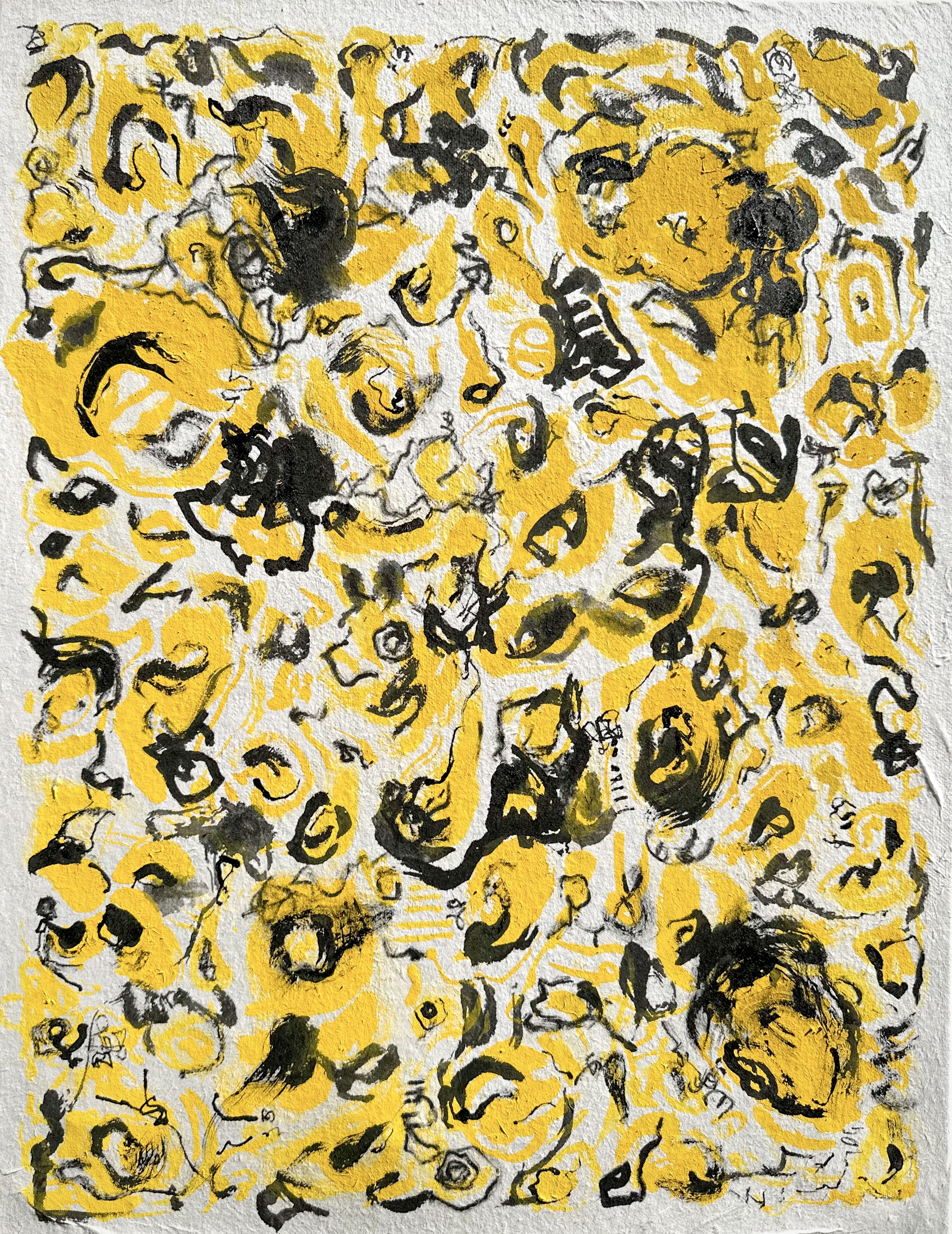
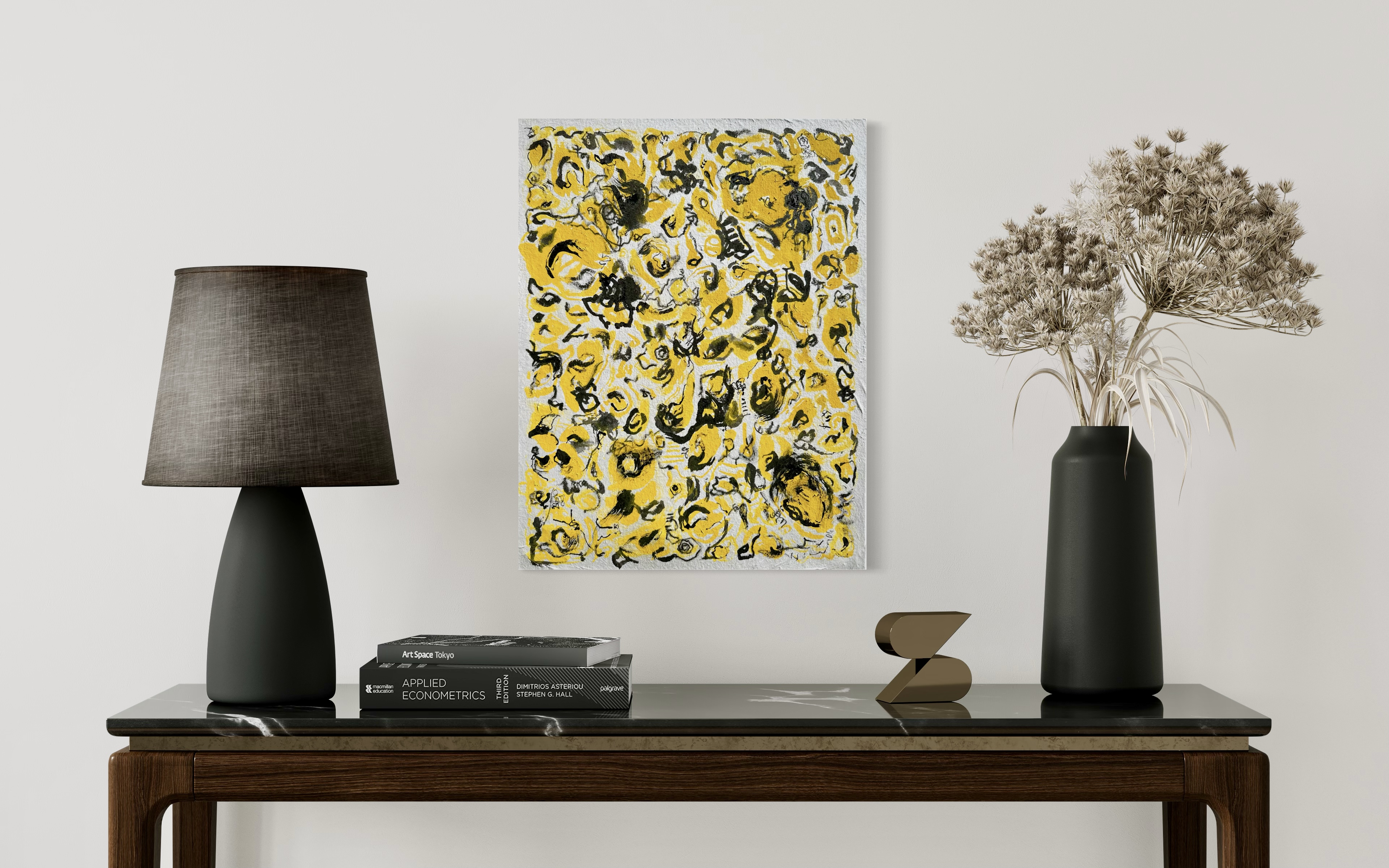
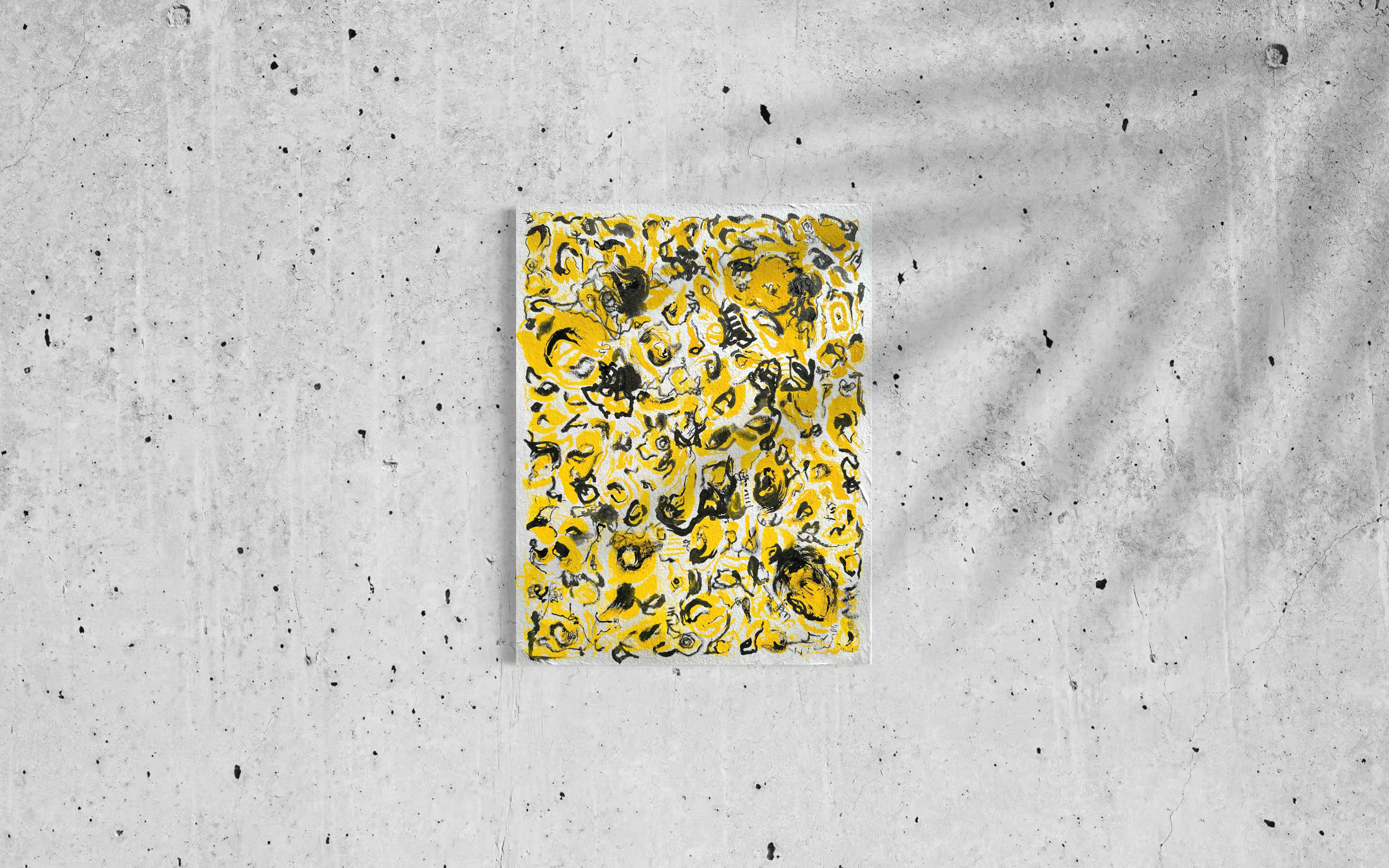
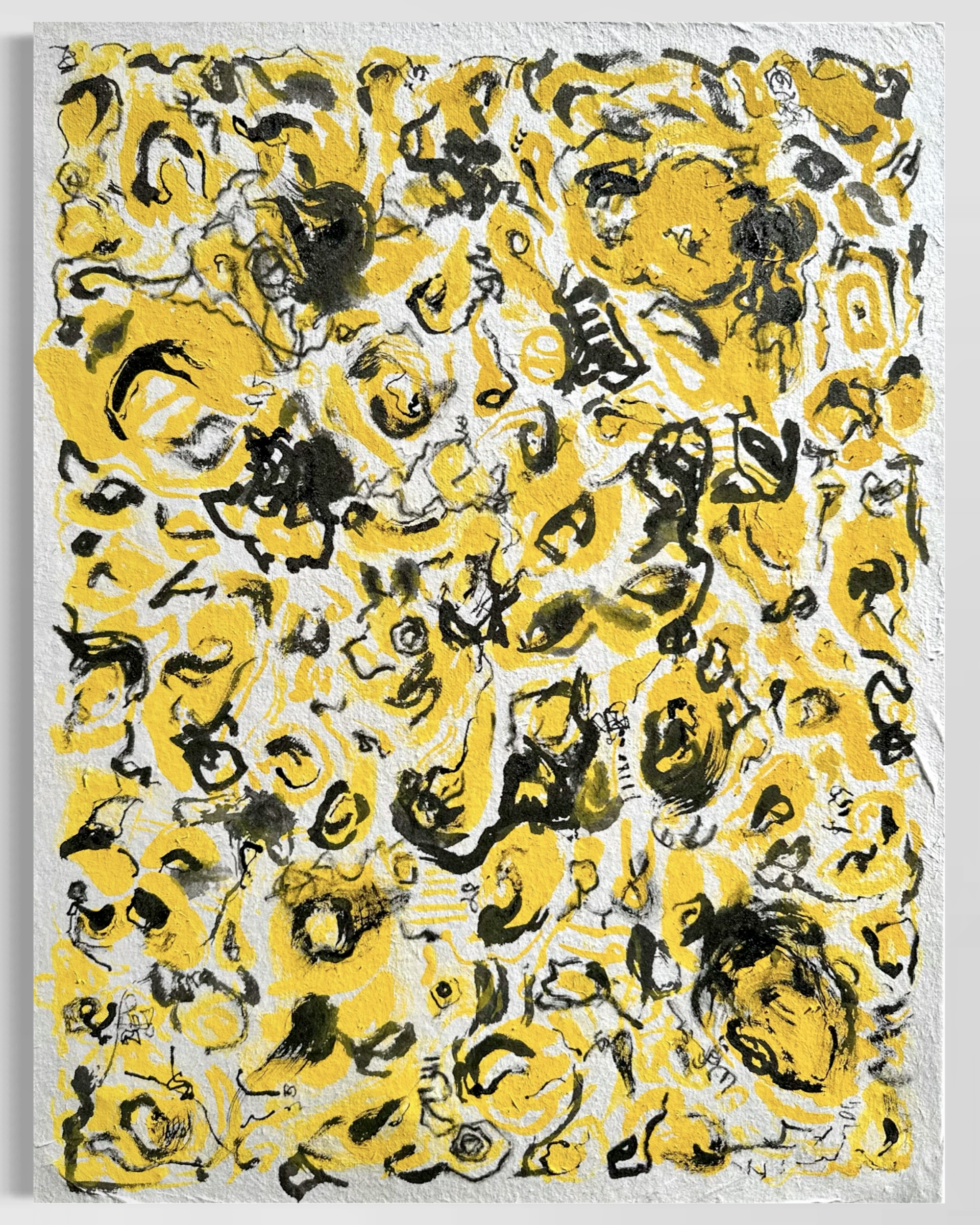
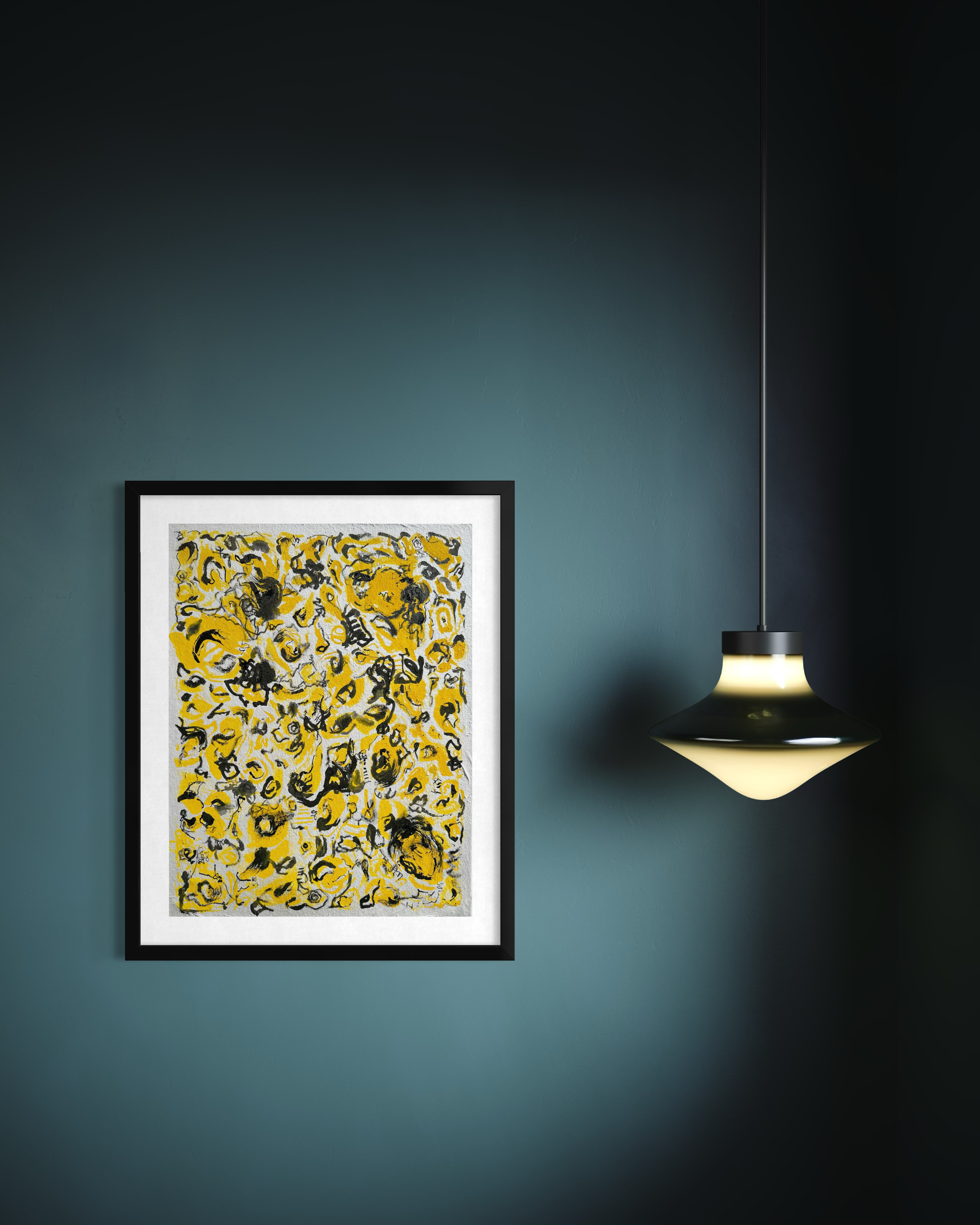
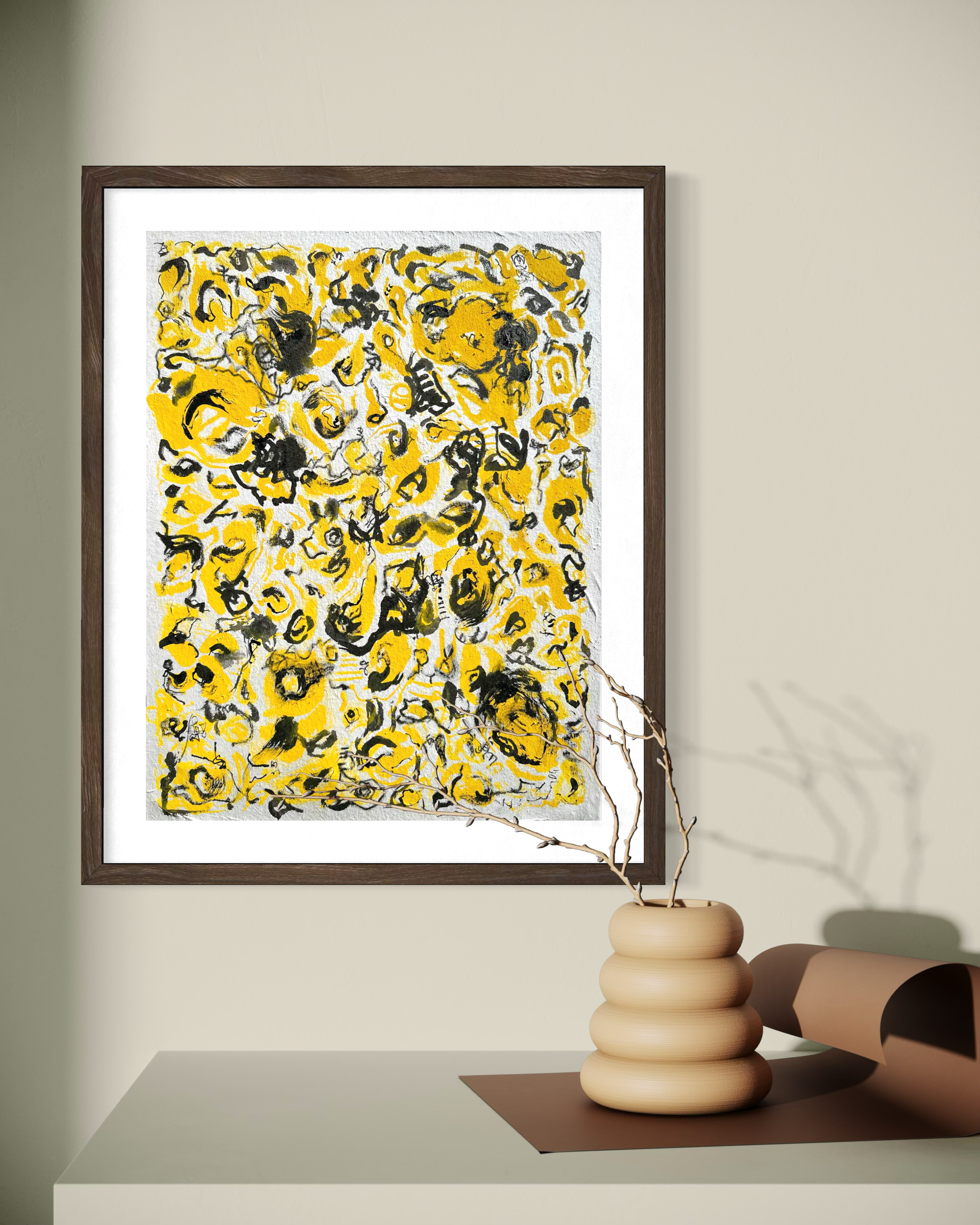
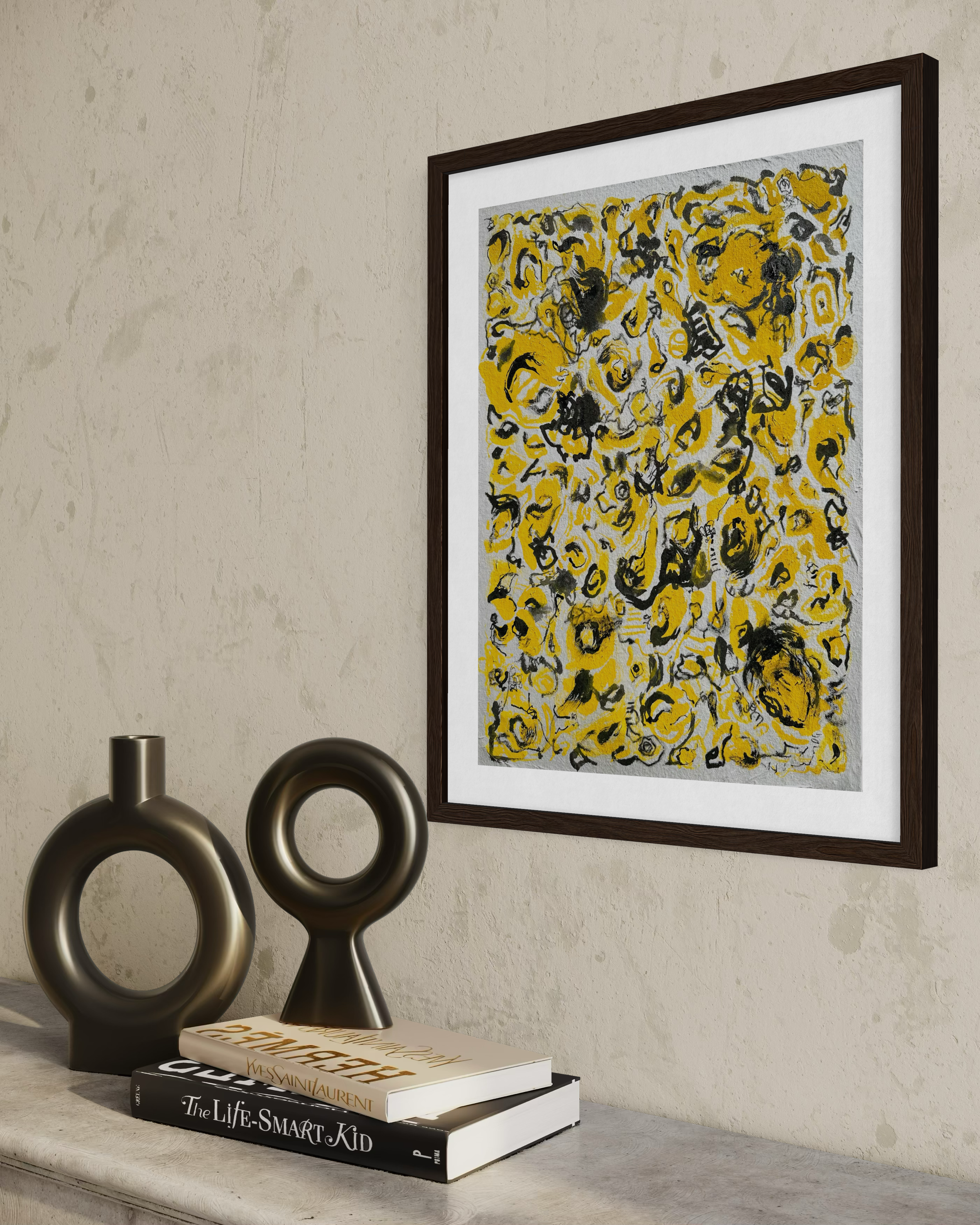
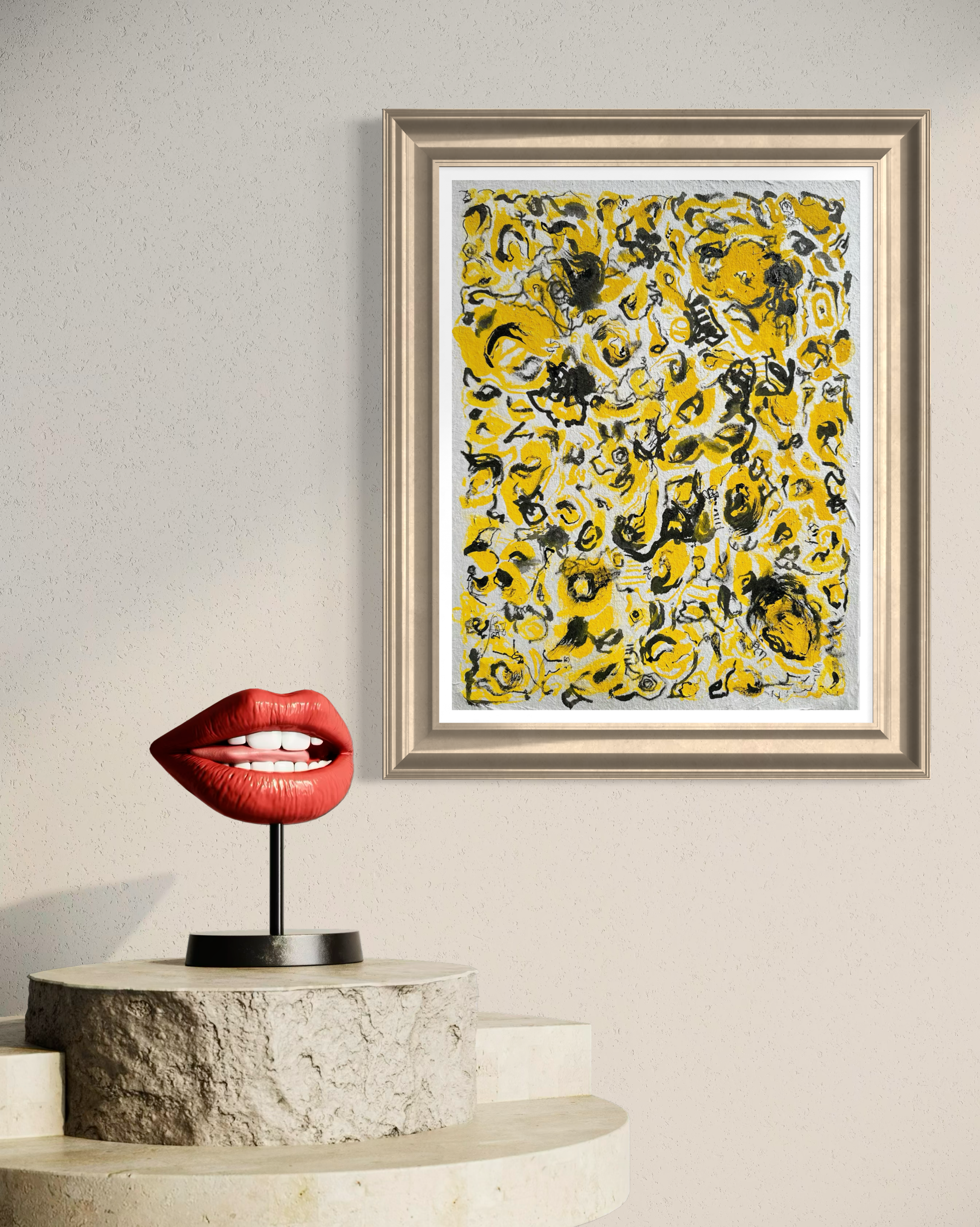
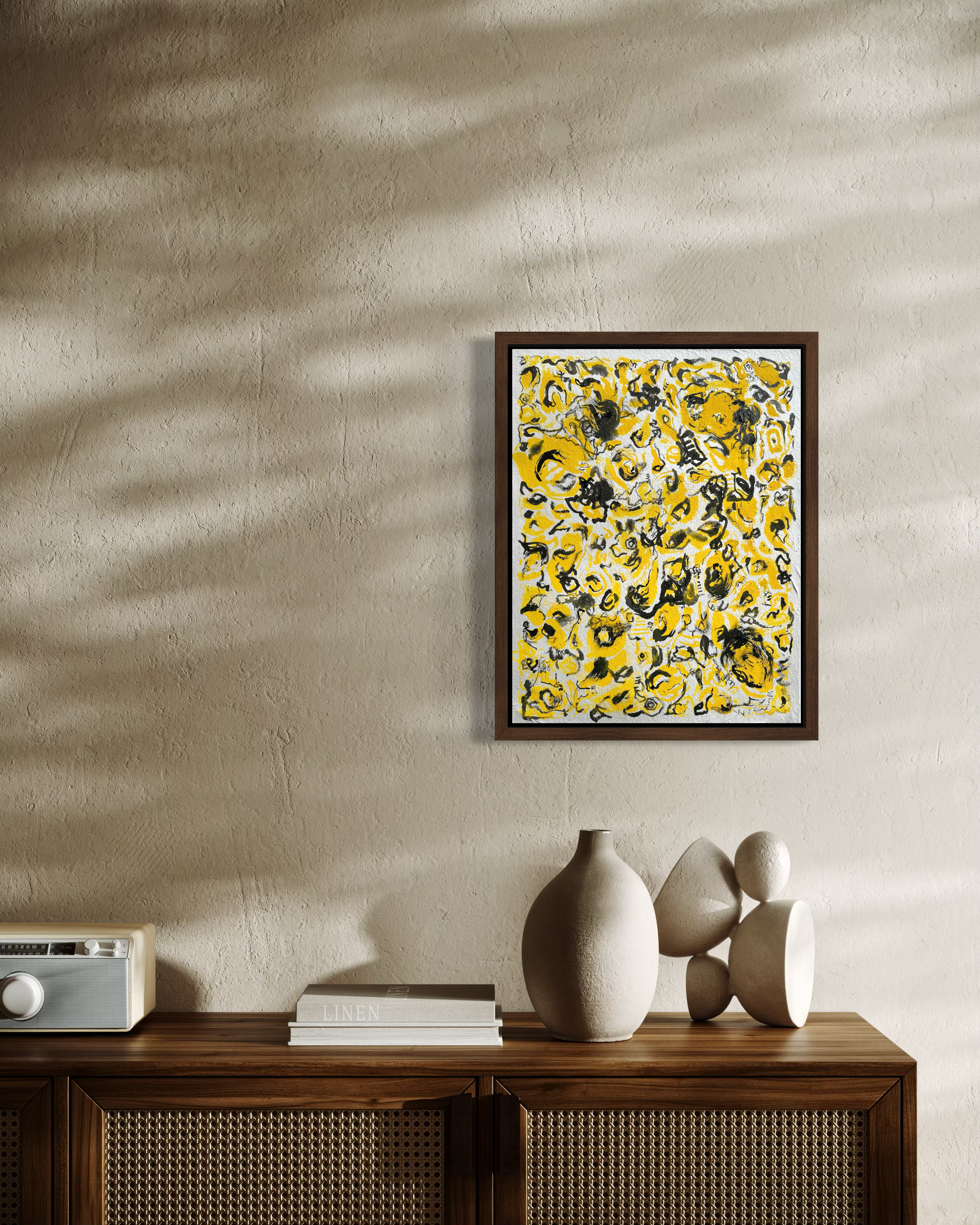
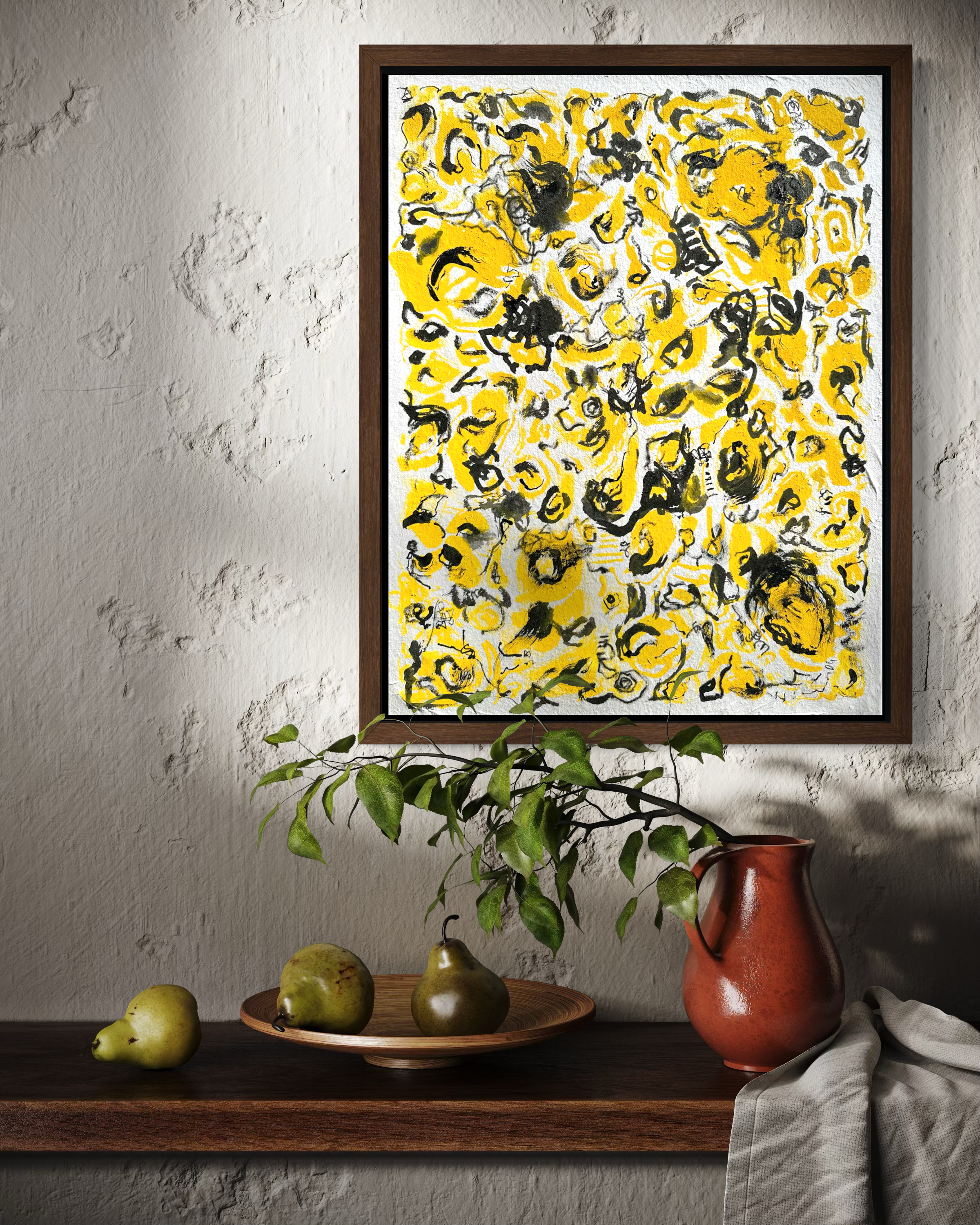
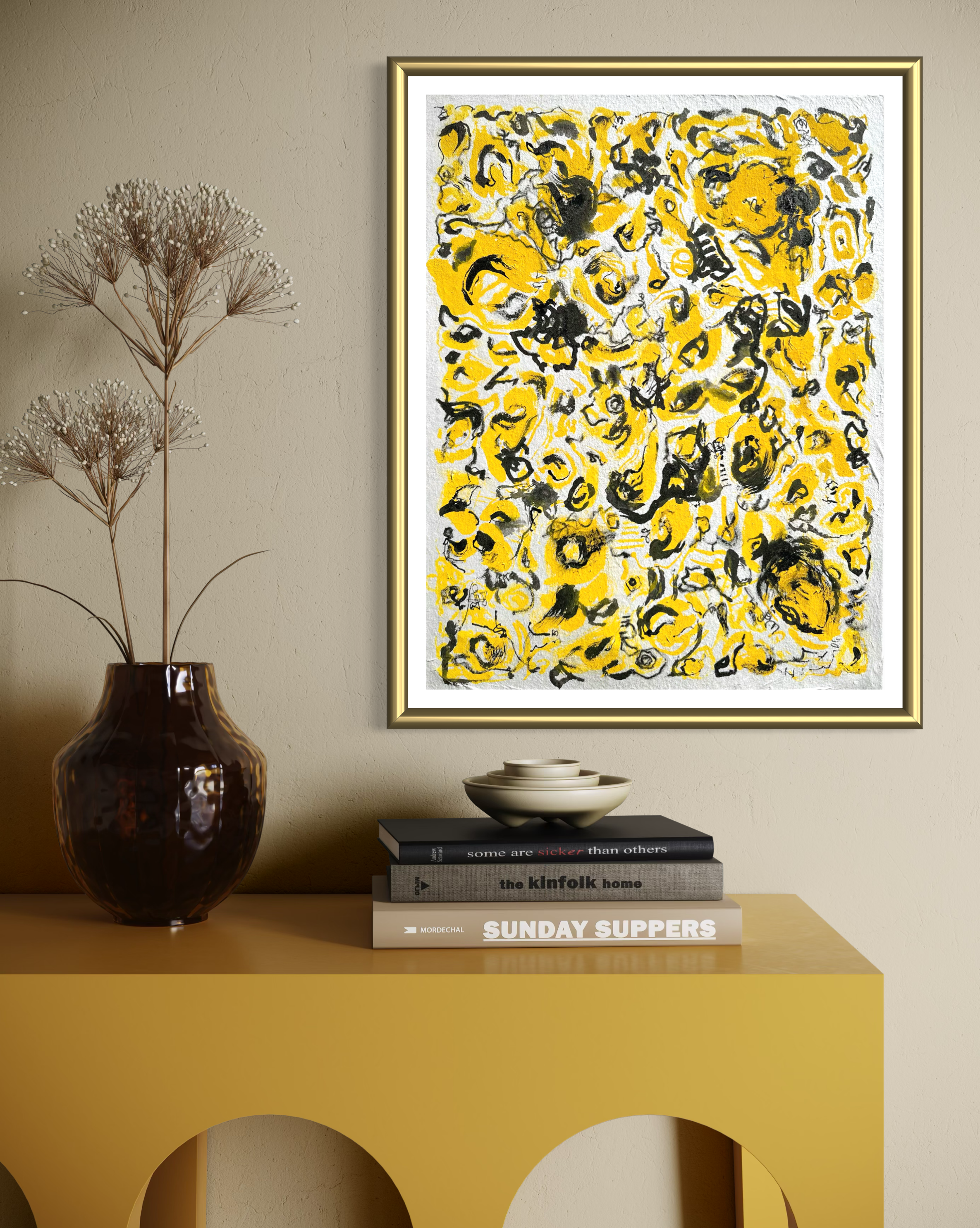
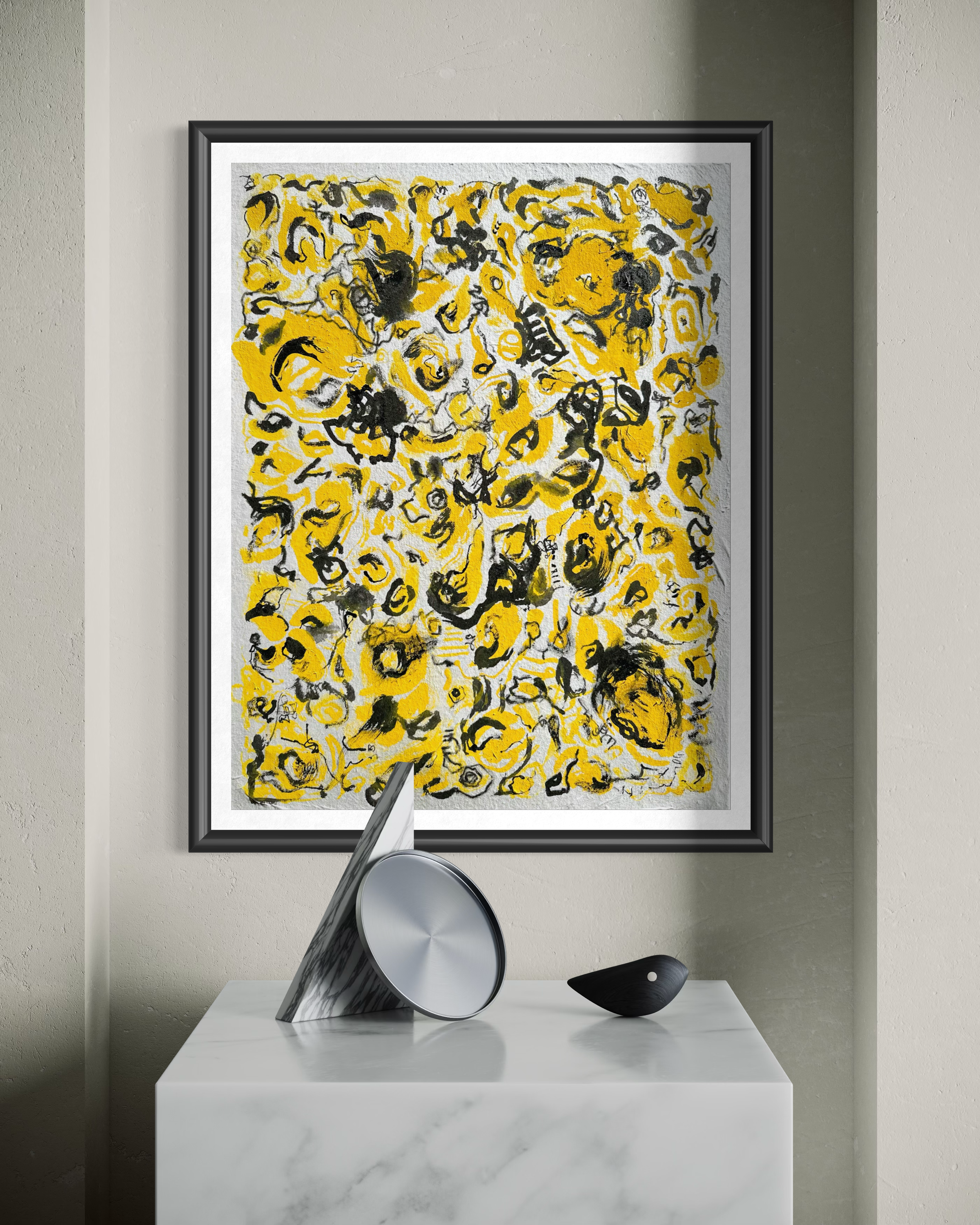
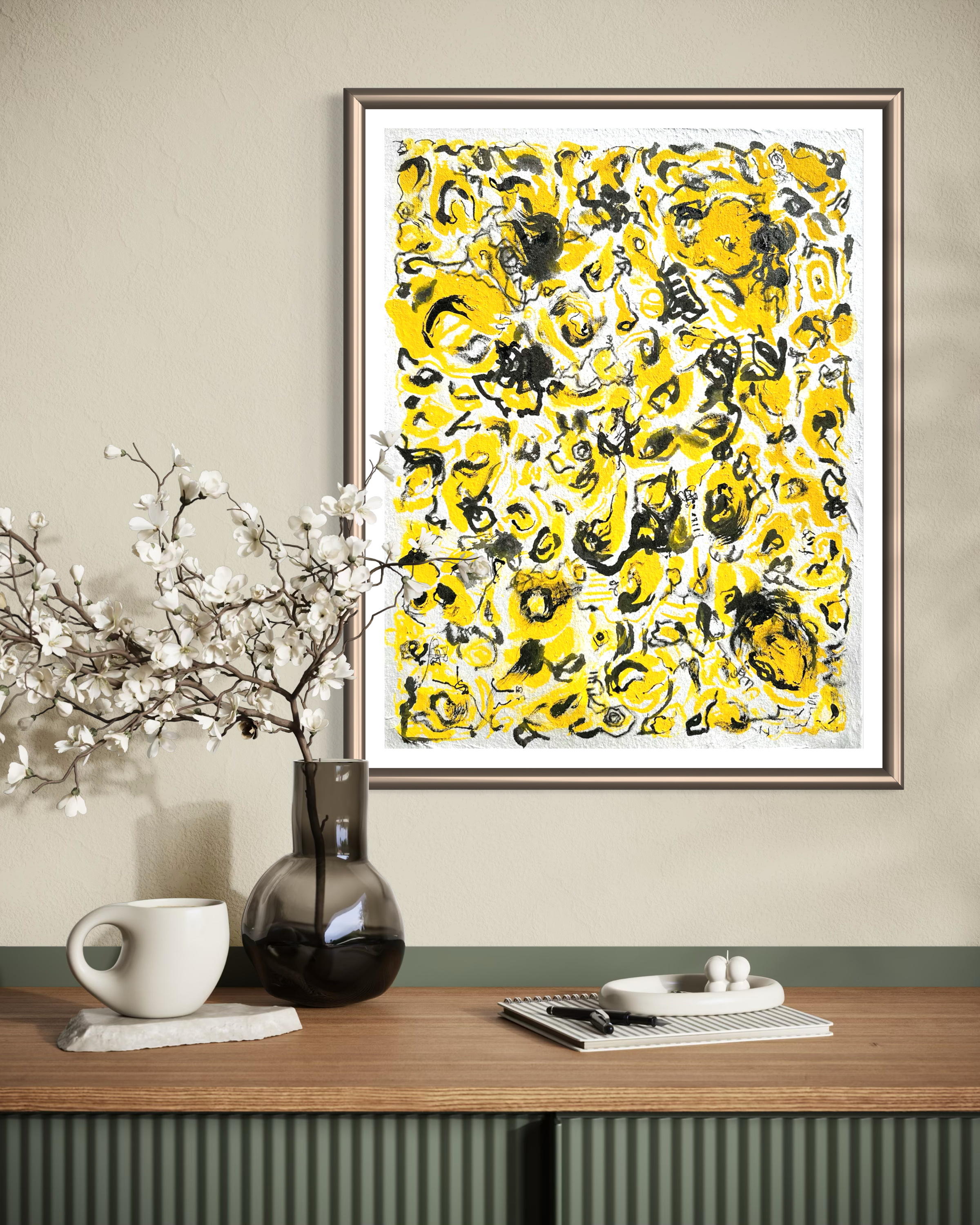
Prex Mea. #3
수색 (守色) : Keeping the Color
53.0 × 40.9 cm (P10)
Oriental Pigments and Ink on Hanji Canvas
https://jonathank.tistory.com
https://www.singulart.com/en/artworks/kim-jun-sung-prex-mea-3-2657446
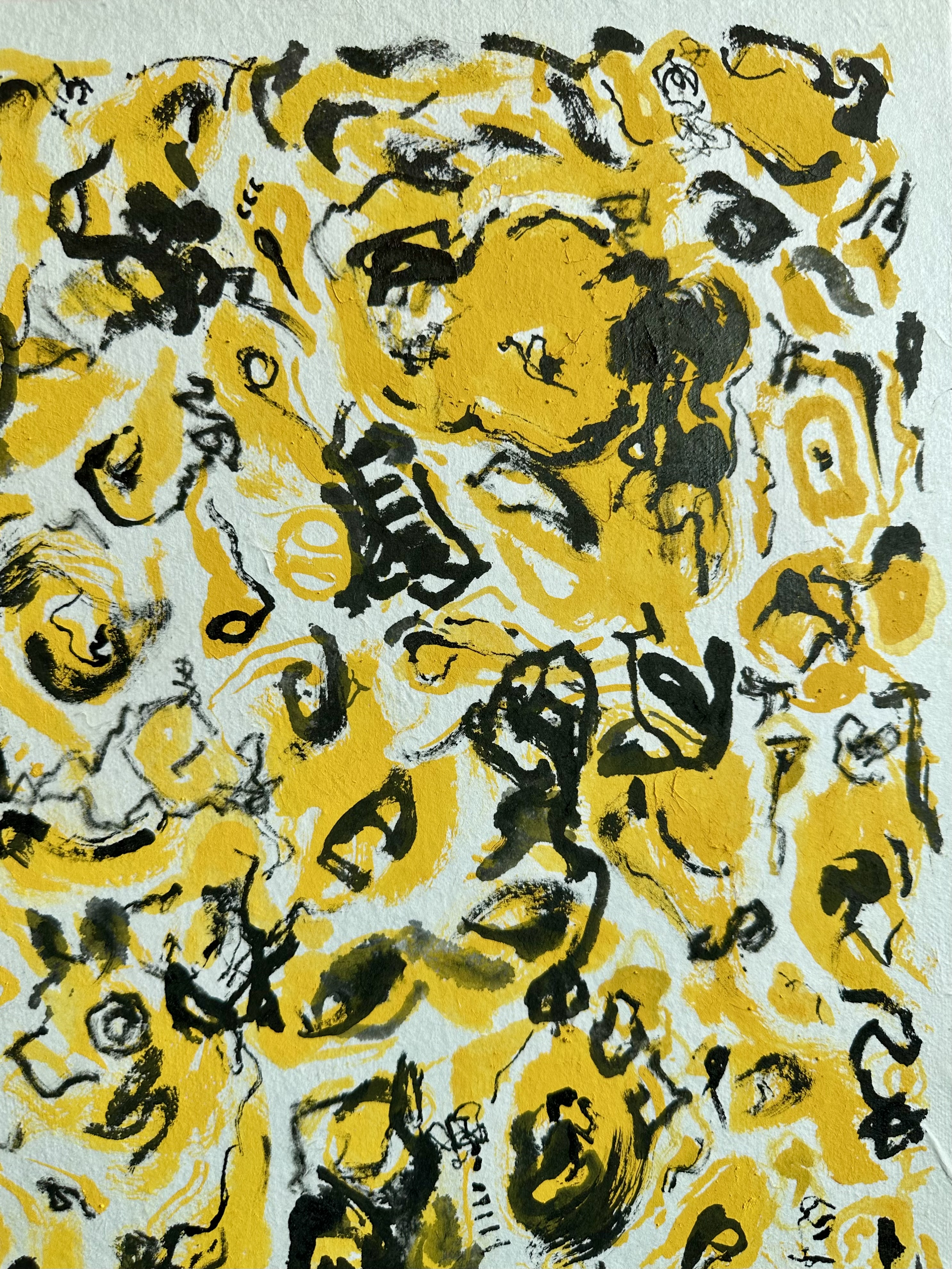
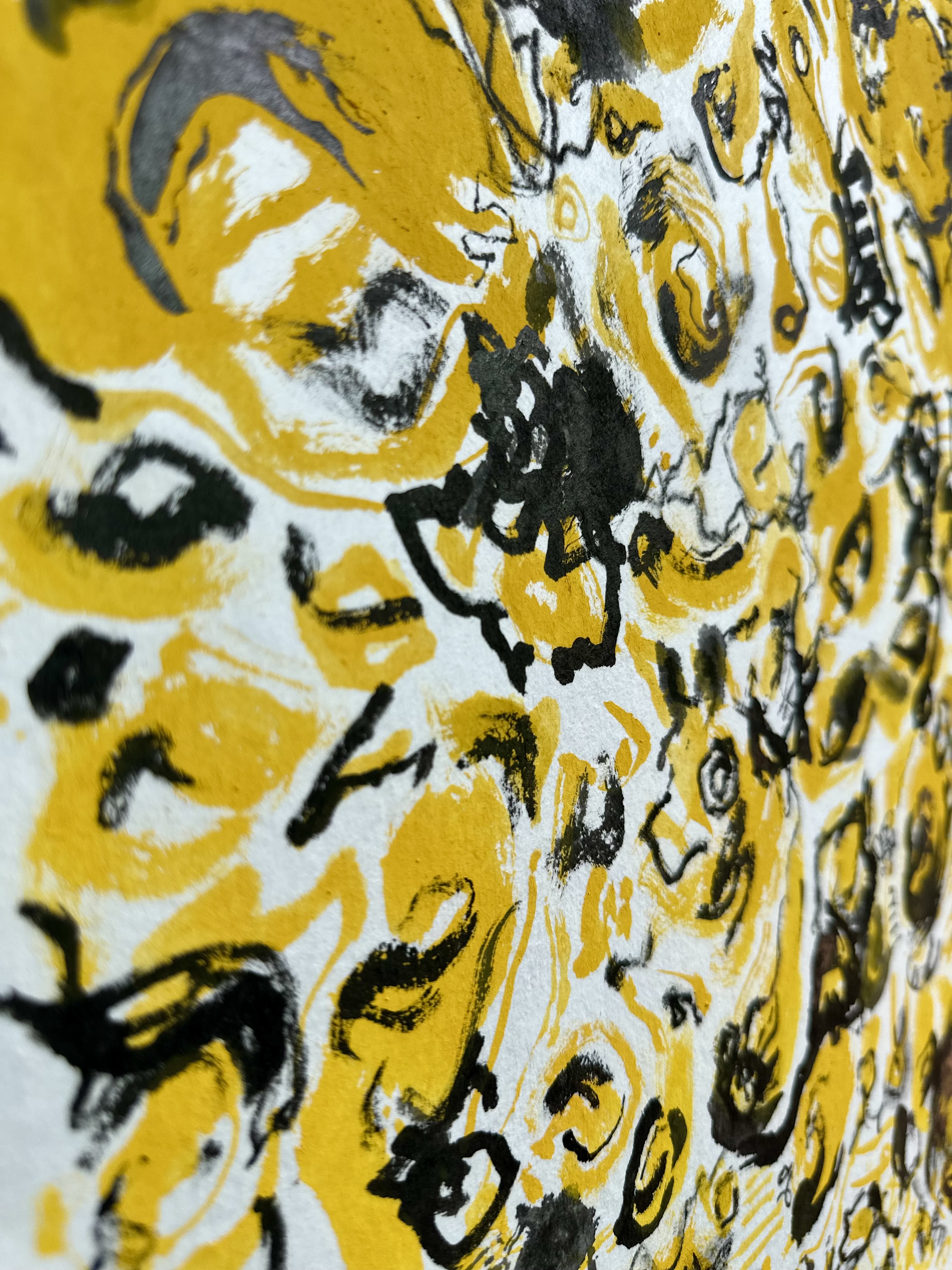
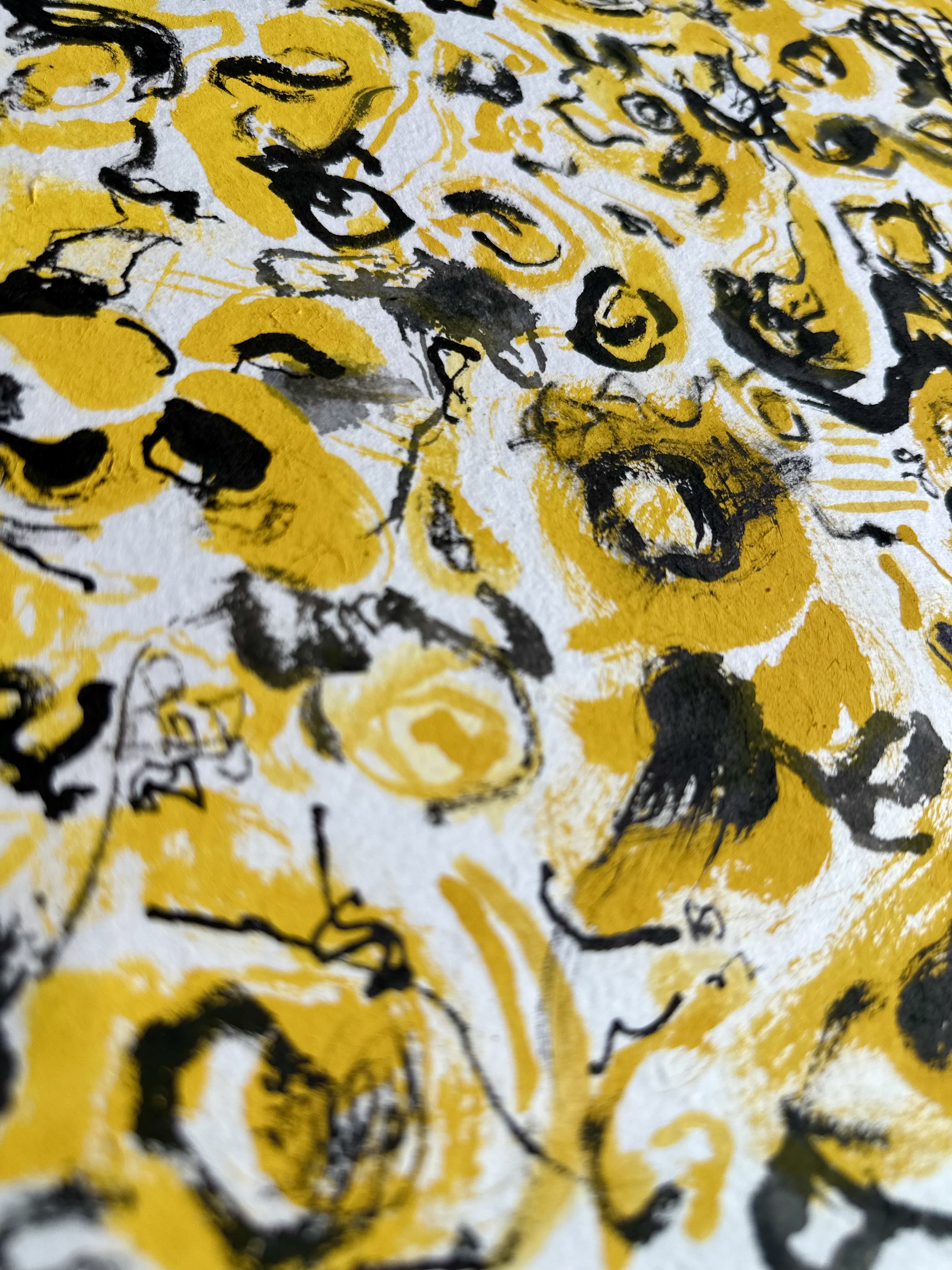
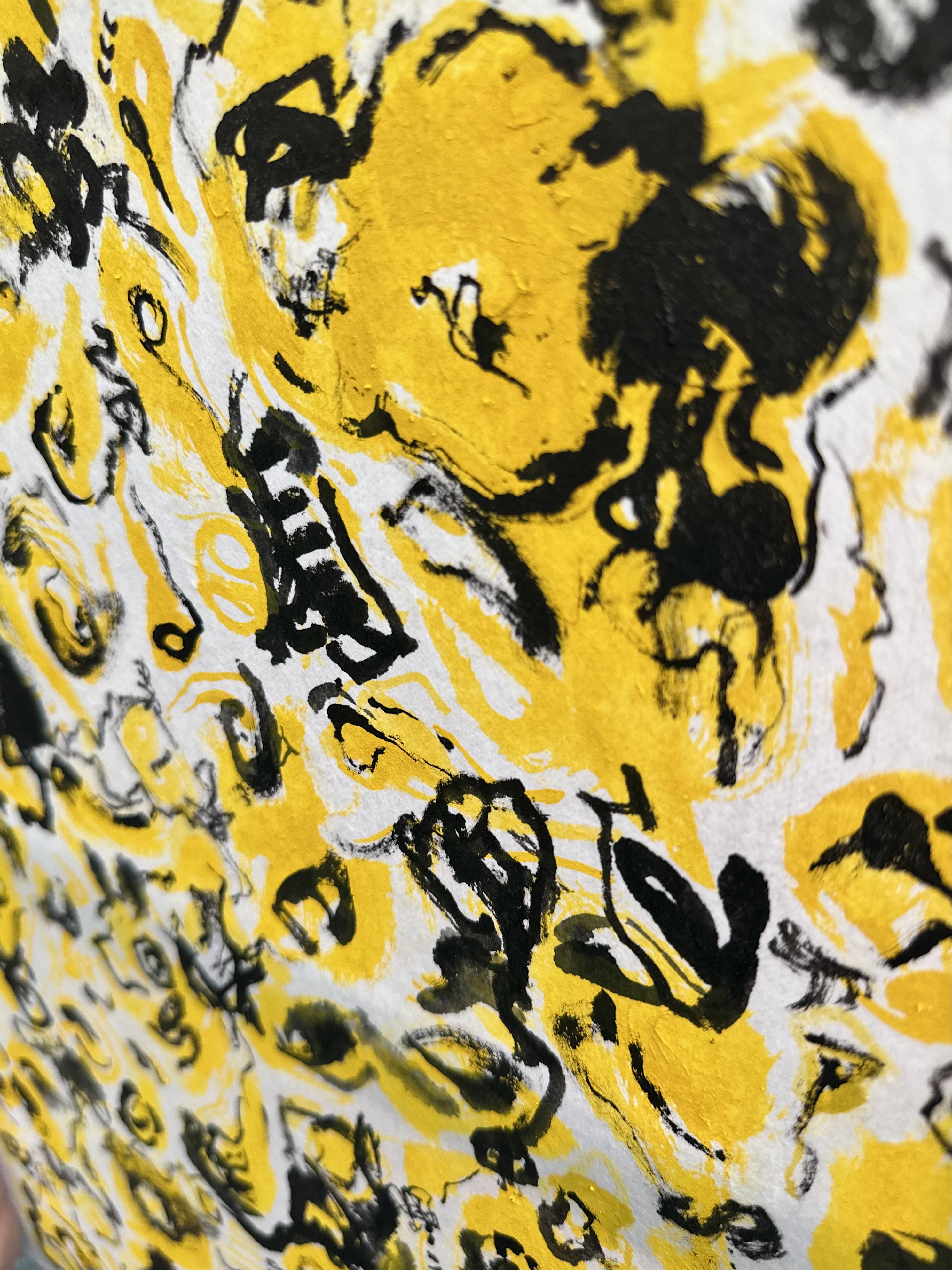
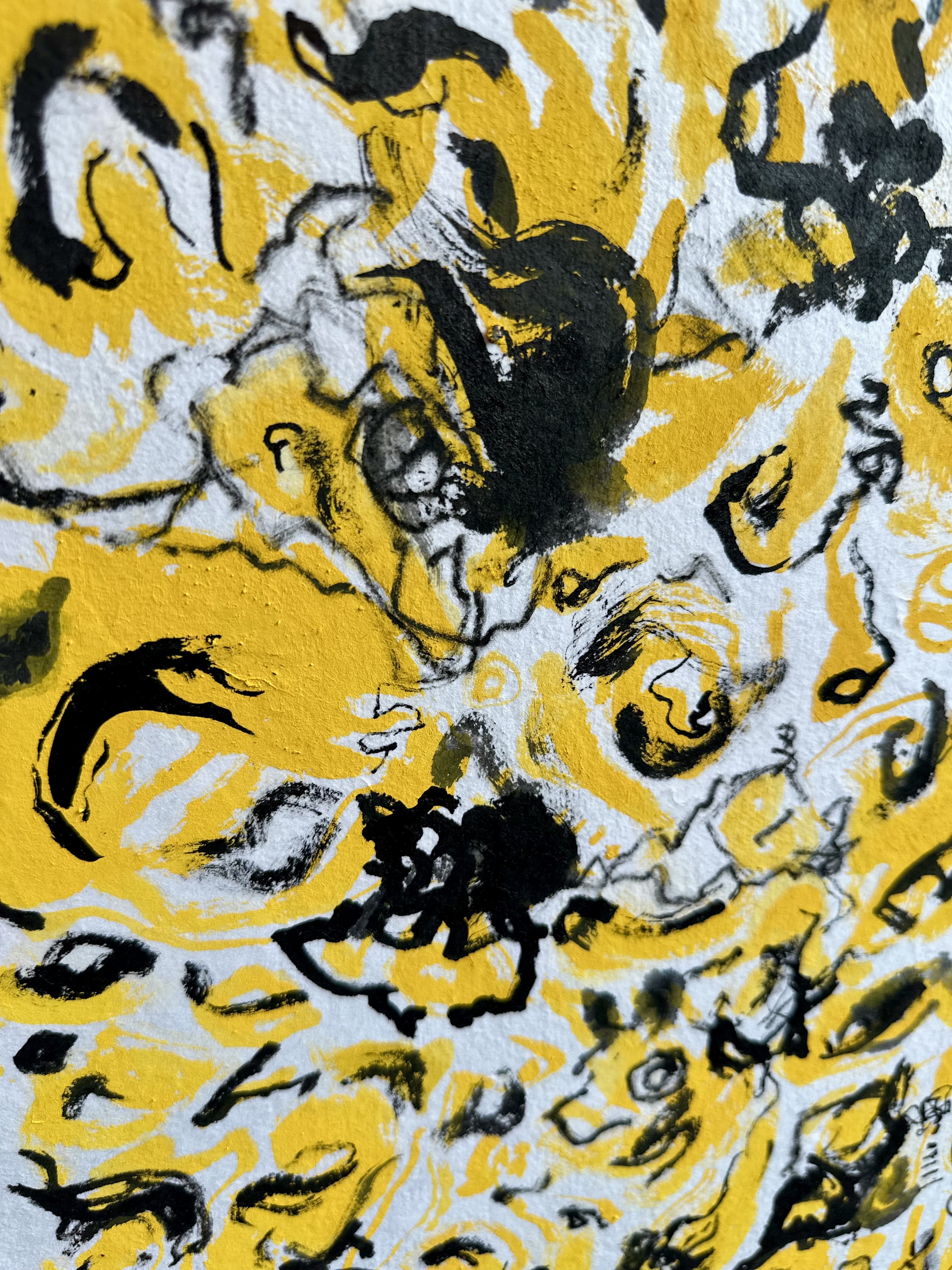
The pale yellow gradually dissolved into the warm off-white surface of the hanji.
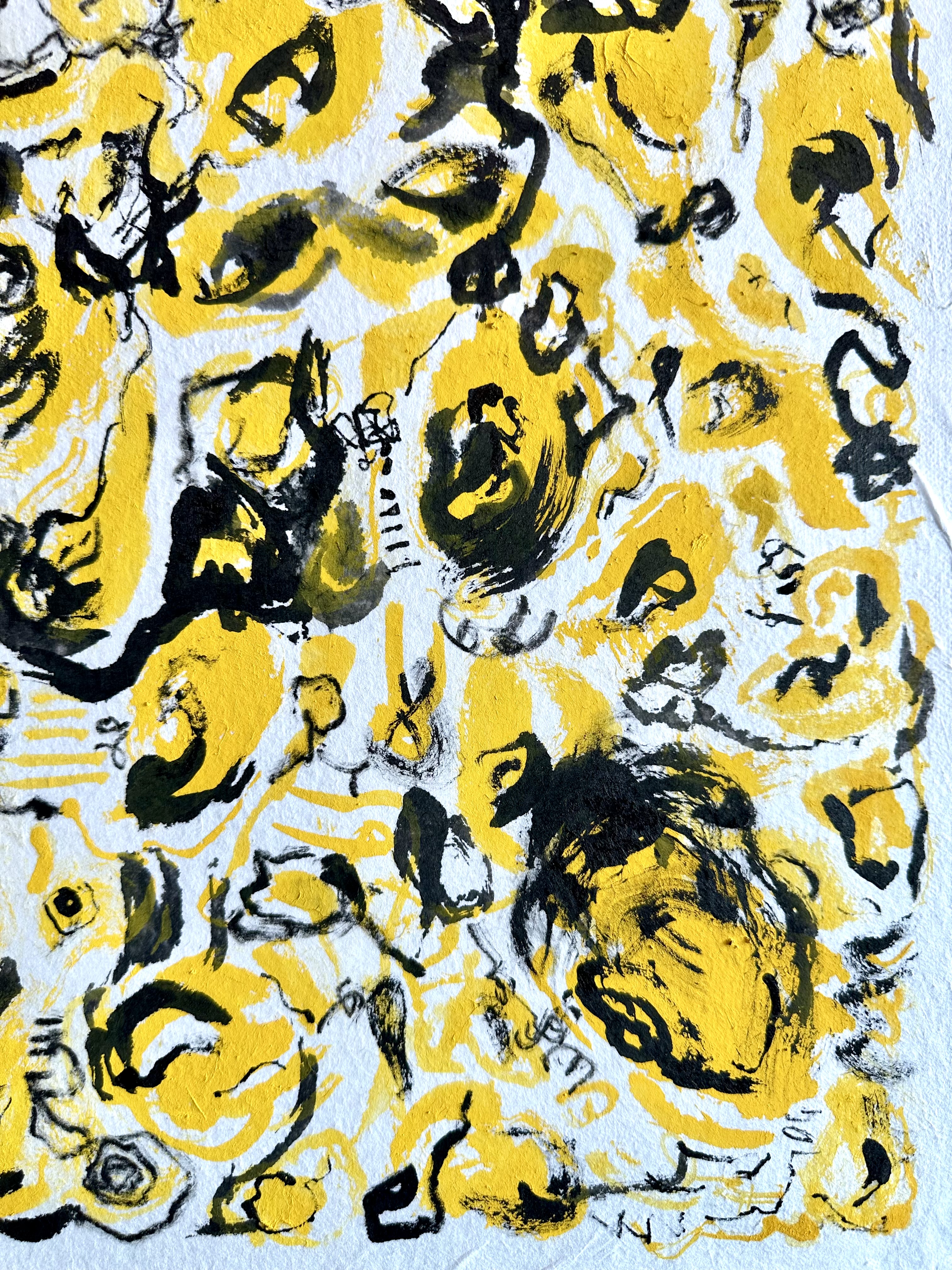
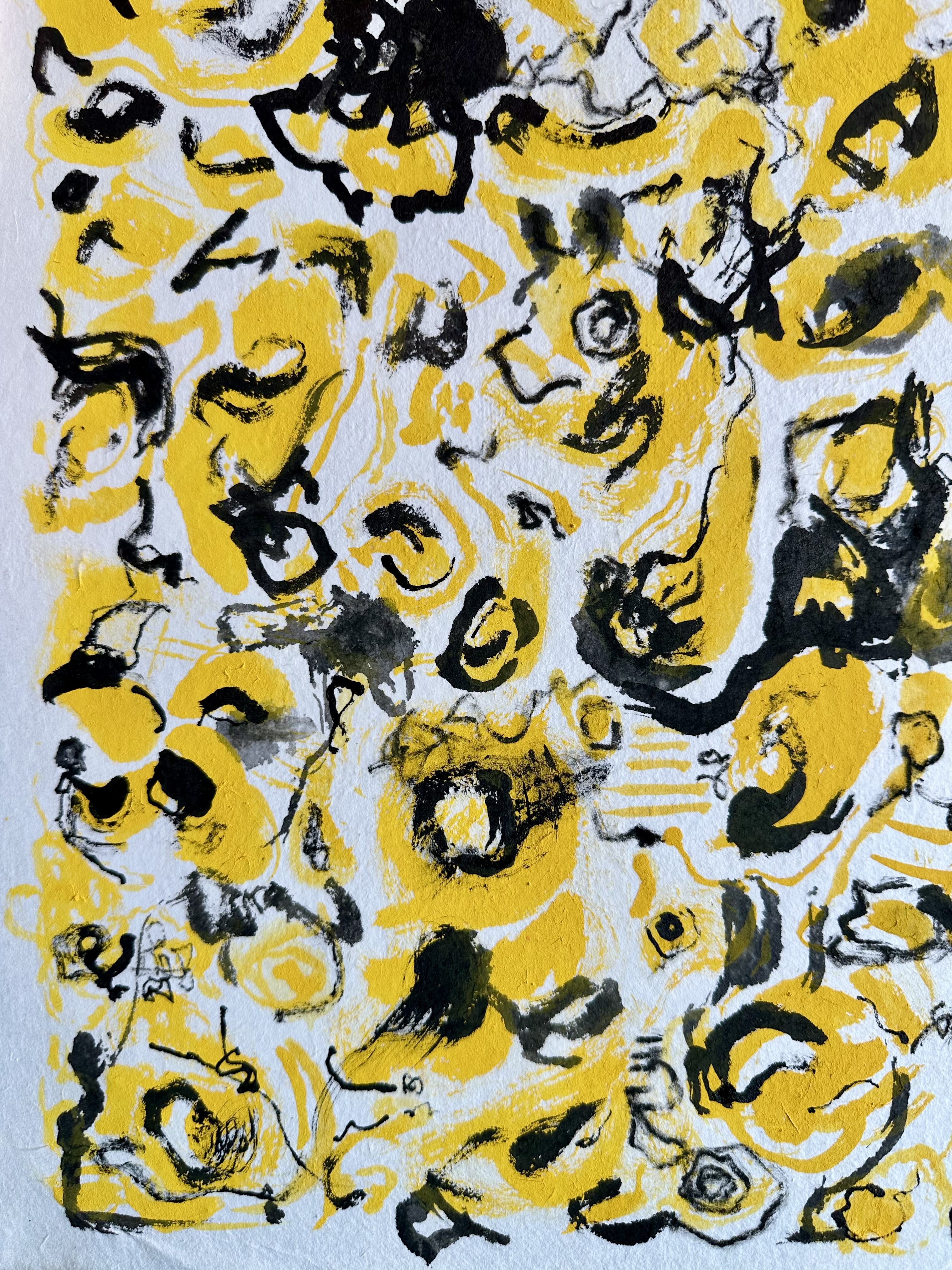
As its boundaries softened and receded, black ink lines and patterns intensified across the painting.
These marks are not decoration. They are acts of effort.
The ink responds to what is fading, creating contrast, restoring attention, and returning presence to what risks being overlooked. PREX MEA #3 is a record of responsibility: the decision to engage, to answer, and to invest oneself in what continues to disappear.
연황은 따뜻한 미색의 한지 바탕 속으로 점차 스며들어 갔다. 형태의 경계는 흐려지고 존재감은 뒤로 물러났다.
그때 검은 먹선과 먹무늬는 더욱 밀도 있게 화면 위를 움직이기 시작한다.
이 흔적들은 장식이 아니다. 열심의 흔적이다.
먹은 사라져가는 것에 응답하며 대비를 만들고, 다시 시선을 모으고, 다시 존재를 환기한다.
PREX MEA #3은 책임의 기록이다. 희미해지는 것 앞에 참여하고, 응답하고, 자신을 던지는 행위의 기록이다.
The pale yellow constantly sinks into the warm natural tone of hanji.
The color nears the background, losing its boundaries and becoming difficult to see.
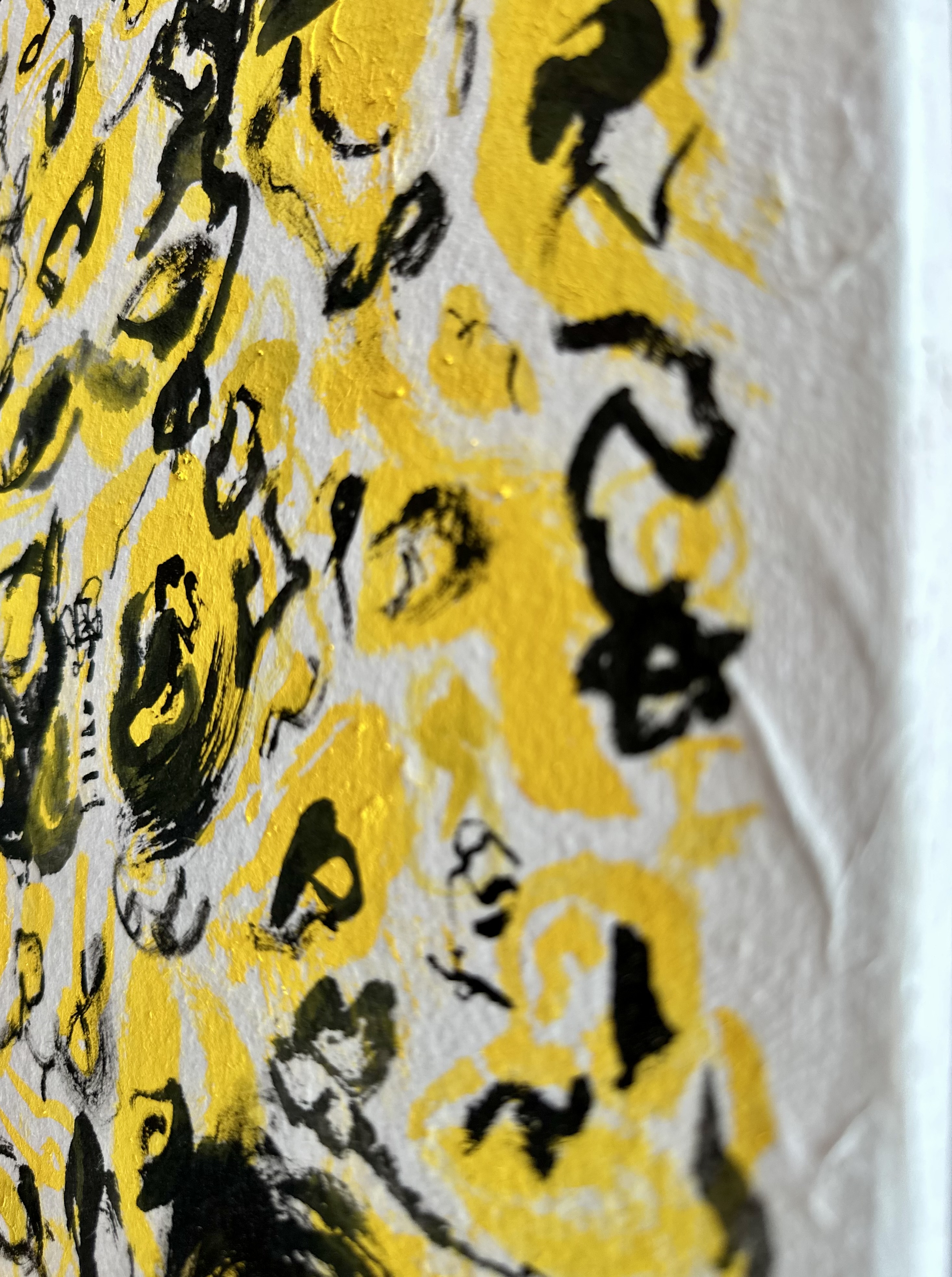
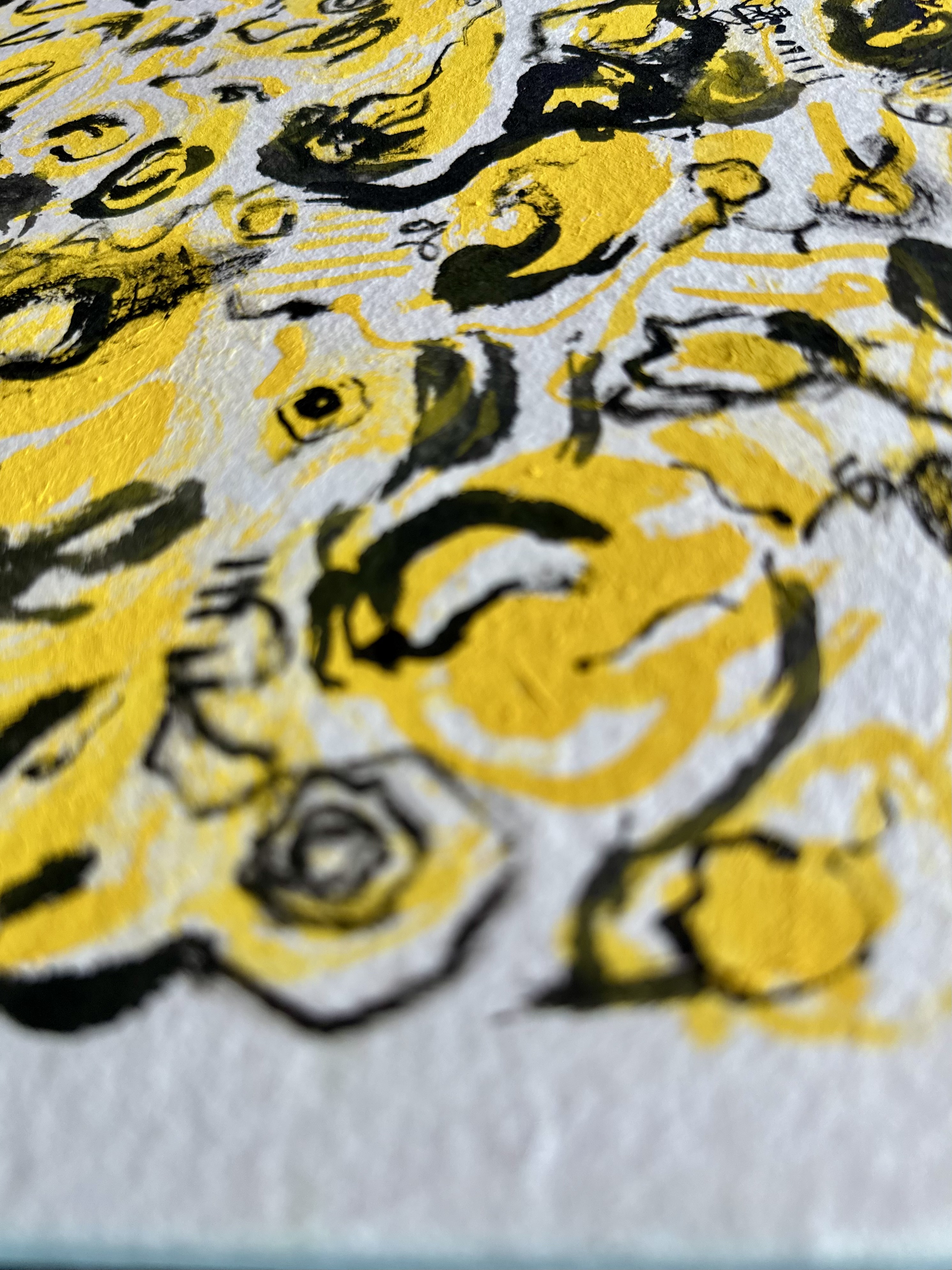
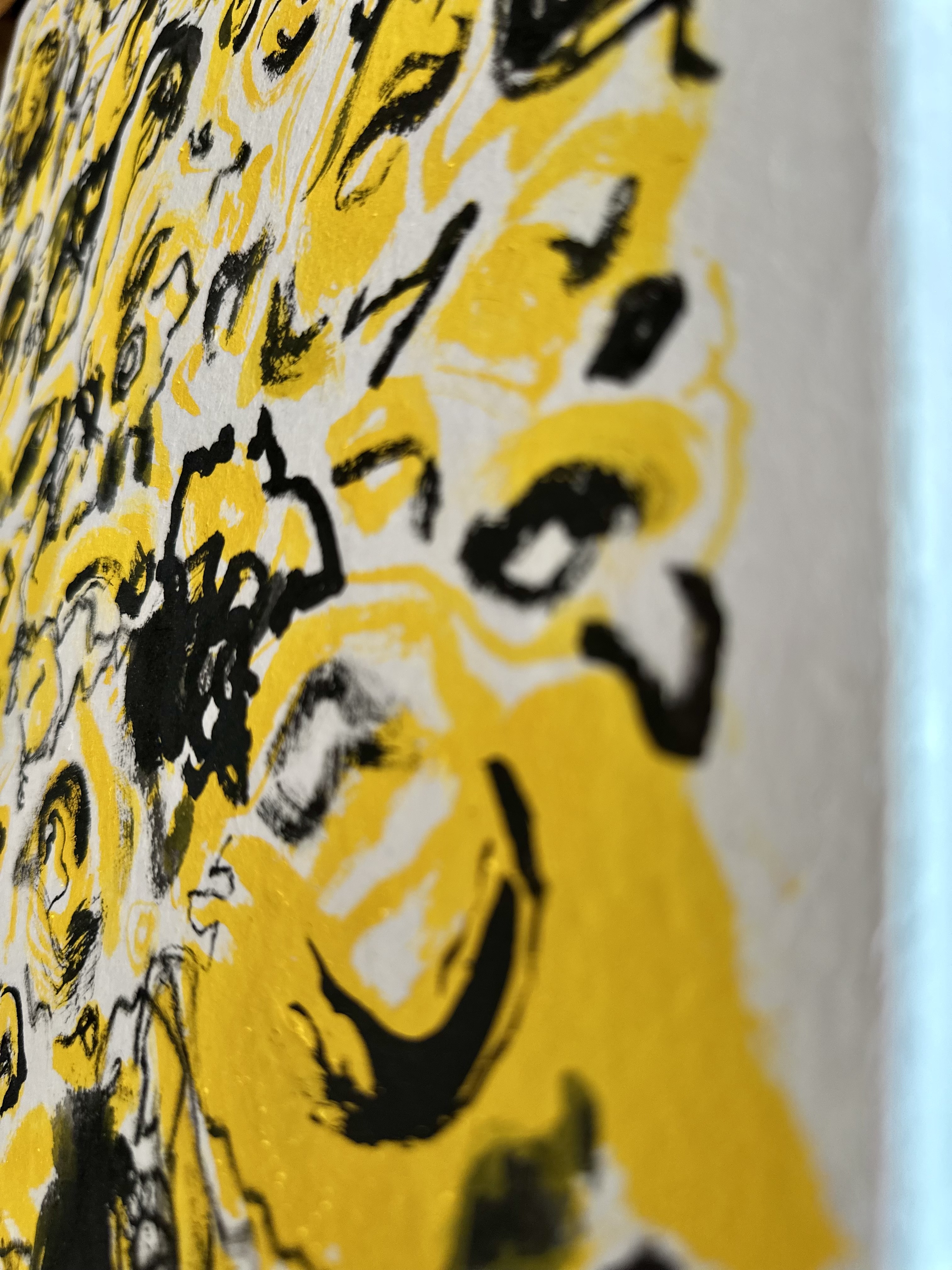
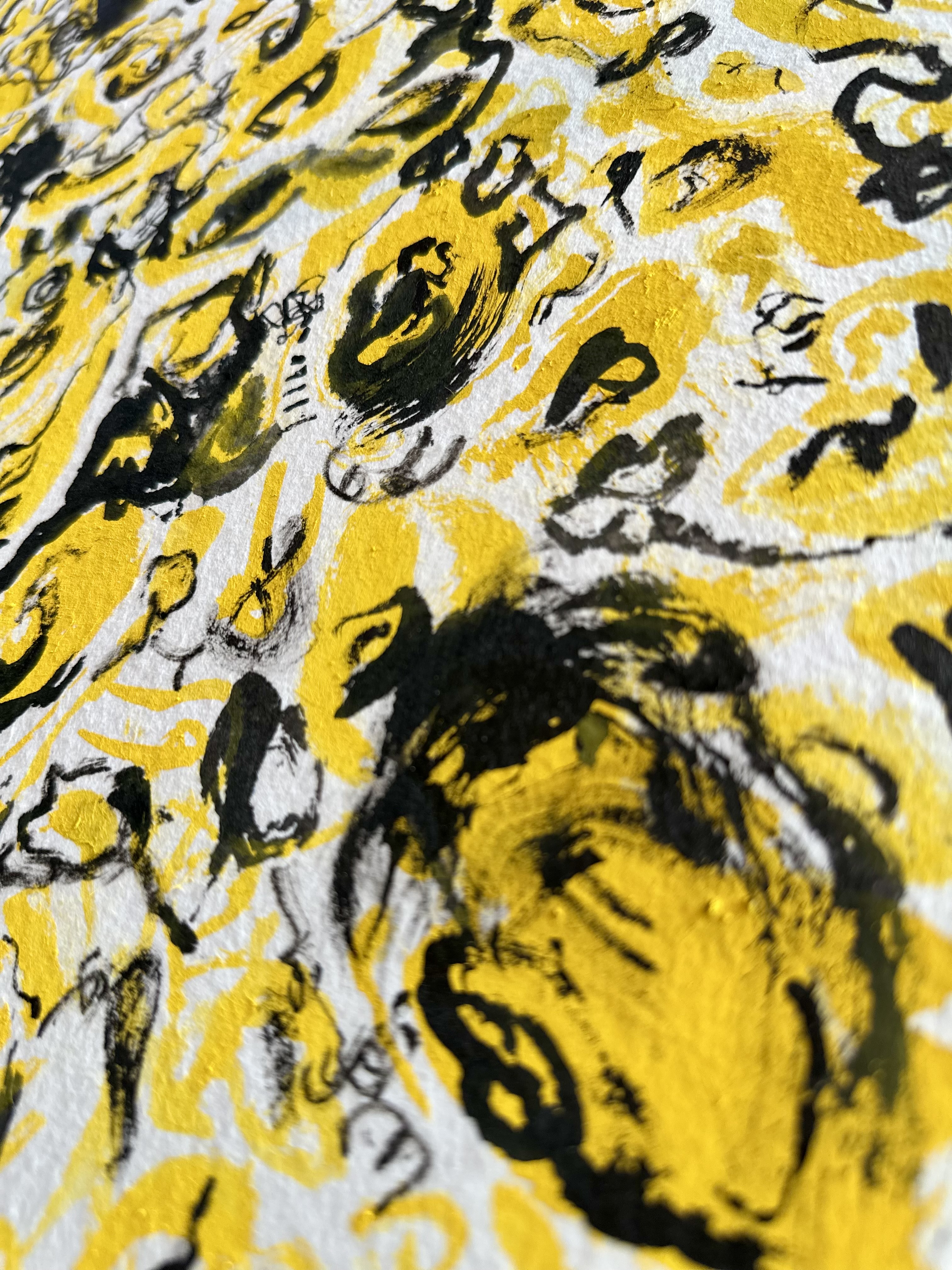
In immediate response, black ink lines and patterns emerge across the surface. This is not a burst of mere violence, but an earnest prayer born from a profound anxiety as the yellow dissolves into the fibers. Driven by the weight of responsibility, the hand labors to leave even the smallest trace. Cotton swabs press pigment into the fiber, while a broken twig drags and scratches the panel. Here, the marks operate with distinct roles. Thin, meticulous ink lines establish direction, turning the gaze back, while dense, intricate patterns build specific areas of focus, making the eye stay.
This presence is a quiet struggle to reveal the pale yellow that is becoming obscured. To make the color visible on the fading surface is the true meaning of Susaek, Keeping the Color.
Ink creates presence beside what is fading, redirecting focus, and evoking existence once more. In PREX MEA #3, Susaek is not an act of grasping a fading color, but an earnest effort to endlessly redirect the gaze through these closely gathered marks. This is the very nature of PREX MEA—my prayer inscribed upon the surface, a record of an unyielding hand that refuses to leave the color unseen.
연황이 한지의 따뜻한 미색 속으로 스며든다. 색은 바탕과 가까워지며 경계를 잃고, 잘 보이지 않게 된다.
이에 대응하여 검은 먹선과 먹무늬가 화면 위로 일어난다. 이는 단순히 격렬하게 쏟아내는 화풀이가 아니다. 바탕으로 흡수되어가는 연황을 바라보는 안타까움과, 어떻게든 작은 모양으로라도 흔적을 남기겠다는 책임감에서 비롯된 간절한 기도다. 면봉은 안료를 섬유 속으로 누르고, 꺾인 나뭇가지는 표면을 긁으며 상흔을 남긴다. 여기서 먹의 흔적들은 명확한 역할로 작동한다. 조밀조밀하고 얇고 가는 검은 선들은 방향성을 구축하며 시선을 되돌리고, 세밀한 먹무늬는 주목도가 높은 영역을 형성하며 시선을 머무르게 한다.
이 현존은 잘 보이지 않게 되는 연황을 그냥 두지 않고 다시 드러내려는 분투로 구동된다. 스러지는 화면 위에서 색을 계속 보이게 만드는 것, 이것이 수색(守色)의 참뜻이다.
먹은 사라져가는 것 곁에서 자리를 만들고, 다시 시선을 모으고, 다시 존재를 환기한다. PREX MEA #3에서 수색(守色)은 사라져가는 색을 붙잡는 행위가 아니라, 가늘고 세밀한 흔적들을 통해 그 색이 계속 보일 수 있도록 끝없이 시선을 돌려주는 열심이다. 이것이 곧 나의 기도(PREX MEA)이며, 색의 시각적 현존을 위해 결코 멈추지 않는 손의 담담하고 완강한 기록이다.
The work PREX MEA #3: 守色 (Keeping the Color) stands as a direct record born from the physical necessity of the surface and the immediate intervention of the hand. This work moves away from conventional painterly calculations. Instead, it places its entire weight upon a single, clear core: the earnest application of black ink lines and patterns to sustain the pale yellow pigment as it blends into the background. It is an image shaped by the immediate reality of materials. This presence cannot be reduced to mere embellishment. Every mark on the panel is a straightforward declaration of presence. There is no room for retrospective adjustments or decorative compromises. The painting presents a rigorous field where the act of making maintains an earnest dialogue with the phenomenon of fading visibility.
The physical conditions of this creative work are defined by the unyielding reality of the background. The pale yellow applied to the surface sits in close proximity to the natural tone of the traditional hanji ground. This is not a passive surface designed merely to hold decoration; it is a warm, living fiber with its own distinct texture and pulling force. This relationship between the paint and the fiber establishes the primary ground of the entire visual experience. The moment the pale yellow meets this ground, the fibers naturally absorb the pigment. Consequently, the boundaries between the mark and the ground naturally soften. The initial forms recede directly into the support rather than dominating the surface. This absorption is a baseline condition of the medium. It is the reality that the work chooses to inhabit—a quiet field where color is integrated into the warm space of the hanji, becoming difficult to see.
Faced with this continuous sinking of color, the black ink lines and patterns arrive as an immediate, necessary response. Yet, this intervention is not a sudden burst of thoughtless violence or simple painterly excess. Instead, it emerges from a deep sense of anxiety and an acute awareness of responsibility. Watching the pale yellow slowly dissolve into the warm, matching tone of the paper creates a profound restlessness in the artist. It is an aching realization that the color might soon become unnoticeable. This emotional weight transforms the act of painting into a quiet struggle. Driven by the burden of keeping this presence alive, the hand feels a strict duty to act. The accumulated dark pigments represent a dedicated attempt to leave a trace, a careful effort to anchor the composition exactly where the yellow threatens to fade from view.
Crucially, the ink marks do not function as a singular, uniform mass; instead, they separate into distinct roles of lines and patterns that reflect this careful anxiety. The ink lines are not grand, aggressive slashes; they are thin, meticulous, and densely gathered. These narrow trajectories map the velocity of the hand's engagement, turning the viewer's gaze back to the fading areas. On the other hand, the intricate patterns build specific zones of heightened attention. Where a line moves, a pattern anchors. These dense clusters of tone hold the space around the pale yellow, creating specific areas where the pigment’s presence is reinforced and allowed to stay. Through this deliberate separation of visual duties, the work avoids chaotic abstraction. The crowded nature of these marks shows a hand working intensely to leave a record before the color disappears completely.
To execute this engagement, the artist turned away from the fluid mediation of traditional brushes, choosing instead raw tools of direct insistence. The work utilizes cotton swabs to press pigment directly into the deep layers of the fiber rather than letting it rest on top, alongside the broken end of a twig used to drag, scratch, and mark the surface. The resistance of the wood against the paper provides a tangible counterweight to the fluid movement of the pigment. They do not negotiate with the material nature of the hanji; they claim their place. The marks left by these tools carry the full pressure of a gesture aimed entirely at keeping the color visible. Every scratched trajectory and pressed impression serves as a visible record of a hand working firmly to counteract the paper’s absorbing depth, pulling the color back to the surface.
The resulting density and heavy presence of ink must not be misinterpreted as a failure of control. The accumulated patterns are the physical evidence of the artist casting his own effort directly into the fading field. To preserve the visibility of the color is to enter the point of visual tension, using the density of the ink to uphold the light of the yellow. This commitment defines the core essence of Susaek—Keeping the Color. This process represents the very heart of PREX MEA, which translates directly to "my prayer." The crowded surface, filled with small, thin lines and meticulous patterns, is not an aesthetic choice but a spiritual petition. It is a plea made through action, a quiet refusal to let the light of the yellow be forgotten. The painting presents the unyielding reality of a labor where the hand simply refused to stop. It is the earnest prayer of the hand that would not stop, casting its entire effort forward to keep the color seen.
*PREX MEA #3: 수색(守色)*은 표면의 물리적 필연성과 손의 직접적인 개입으로 이루어진 정직한 기록이다. 이 작품은 관습적인 회화적 계산에서 벗어나 있다. 대신 오직 하나의 명확한 중심축, 즉 바탕 속으로 스며들며 시야에서 흐려지려는 연황색 안료를 지탱하기 위해 검은 먹선과 먹무늬를 분출하는 행위 자체에 모든 무게를 싣는다. 화면 위에 새겨진 흔적들은 단순한 시각적 유희가 될 수 없다. 모든 자국은 실존의 직설적 선언이다. 사후적인 조율이나 조형적 타협이 들어설 자리는 없다. 화면은 형태의 나타남과 흐려짐이 서로를 붙들고 정직하게 응답하는 엄격한 필드다.
이 작업의 물질적 조건은 한지 바탕이 가진 고유한 현실에서 출발한다. 표면에 내려앉은 연황은 전통 한지의 따뜻한 미색과 매우 가까운 색역에 위치한다. 이것은 장식적 흔적을 기다리는 수동적인 화면이 아니다. 자체적인 결을 가진, 살아있는 섬유다. 이러한 한지와 안료의 관계가 시각적 경험의 일차적인 토대를 형성한다. 색이 닿는 순간 한지의 섬유는 안료를 안으로 스며들게 한다. 그 결과 흔적과 바탕의 경계는 흐려지고, 초기 형상들은 표면 위에 군림하는 대신 지지체 속으로 물러선다. 이 흡수 현상은 매체의 근원적 조건이며 바탕의 현실이다. 형태가 나타남과 동시에 기저의 공백 속으로 스며들어 잘 보이지 않게 되는 이 고요한 공간이 작업의 출발점이 된다.
연황이 한지의 미색 속으로 스며들어 잘 보이지 않게 될 때, 검은 먹선과 먹무늬는 이에 반응하여 화면 위로 쏟아진다. 그러나 이 개입은 마냥 격렬하게 쏟아내기만 하는 화풀이가 아니다. 오히려 바탕 속으로 무력하게 흡수되어가는 연황을 바라보는 깊은 안타까움과, 그 어쩌지 못하는 마음에서 비롯된 막중한 책임감의 발로다. 색이 바탕과 섞여 눈에 띄지 않게 되는 현실은 작가에게 단순한 현상이 아닌 실존적인 부담으로 다가온다. 색을 계속 보이게 해야 한다는 의무감은 제작 과정을 하나의 분투로 변화시킨다. 작은 모양으로라도, 어떻게든 흔적을 남기고 가겠다는 안타까운 다짐이 먹을 화면 위로 불러내며, 존재가 흐려지는 지점을 명확히 타격하게 만든다. 먹은 사라져가는 것 곁에서 자리를 만들고, 다시 시선을 모으고, 다시 존재를 환기한다.
여기서 먹의 흔적들은 단일한 덩어리로 뭉뚱그려지지 않고, 선과 무늬라는 명확한 구조적 역할로 분리되며 작가의 안타까운 열심을 대변한다. 화면을 채운 먹선들은 거칠고 거대한 파괴의 선이 아니라, 대단히 조밀조밀하고 얇고 가는 검은 선들이다. 이 미세한 궤적들은 손이 가진 열심의 속도와 간절함을 매핑하며 시선을 다시 되돌리는 역할을 수행한다. 반면, 세밀한 먹무늬들은 주목도가 높은 특정 영역과 포커스를 형성한다. 선이 이동한다면 무늬는 고정한다. 이 밀도 높고 얇은 톤의 군집들은 바탕 속으로 숨으려는 연황의 곁을 끈질기게 붙들며, 안료의 현존을 강화하여 시선을 머무르게 한다. 마냥 격렬한 분출이 아니라 작은 흔적들이 이토록 조밀하게 중첩되어 있는 이유는, 하나라도 더 많은 흔적을 남겨 색을 증명하려는 손의 분투가 그만큼 절박했기 때문이다.
이 참여를 수행하기 위해 부드럽게 타협하는 붓 대신, 온전한 주장의 도구들을 쥐었다. 안료를 섬유 깊숙이 눌러 넣는 면봉의 압력과 표면을 긁고 끌며 상痕을 남기는 나뭇가지의 꺾인 끝은 재료를 향한 직설적인 선언이다. 한지에 가해지는 나무의 저항감은 안료의 유동적인 움직임에 확실한 무게감을 부여한다. 한지의 물질적 성질과 협상하지 않고 온전히 공간을 요구한다. 이 도구들이 남긴 흔적은 색을 다시 보이게 하기 위해 정조준된 몸짓의 편집되지 않은 압력을 고스란히 전달한다. 긁힌 궤적과 눌린 자국들은 한지의 흡수력에 맞서 움직인 손이 남긴 가시적인 기록이다.
화면에 나타난 먹의 높은 밀도와 수많은 흔적은 결코 통제의 실패가 아니다. 축적된 무늬들은 잘 보이지 않게 되는 화면 앞에 자기를 온전히 던져 연황을 지속시키려는 열심의 증거다. 색이 보이도록 계속 애쓴다는 것은 시각적 긴장의 지점으로 스스로를 투항하는 것이며, 먹의 밀도 높은 어둠을 이용해 연황의 빛을 지속시키는 행위다. 프렉스미아의 세계에서 이 제한 없고 조율되지 않은 제작 행위 속에서 출현하는 것이 곧 작품의 실존이 된다. 이 전 과정과 부담, 그리고 책임 있는 분투가 바로 수색(守色)의 진짜 의미다.
이것이 바로 이번 작업이 나의 기도, 즉 프렉스미아(PREX MEA)가 되는 이유다. 얇고 가는 선들과 조밀한 무늬로 뒤덮인 화면은 조형적 유희가 아니라, 사라져가는 색을 향해 올리는 실존적인 청원이다. PREX MEA #3에서 수색(守色)은 사라져가는 색을 붙잡는 행위가 아니라, 그 색이 계속 보일 수 있도록 끝없이 시선을 돌려주는 열심이다. 연황을 다시 보이게 만들기 위해 결코 멈추지 않은 손의 기도이며, 색의 시각적 현존을 유지하기 위해 자신의 전 실존과 부담을 화면 앞으로 던지는 행위 그 자체다.






'Art > PREX MEA Series' 카테고리의 다른 글
| PREX MEA. #5 : 동류 同流 — Adrift, Together (0) | 2026.06.20 |
|---|---|
| Prex Mea. #4 : 침잠(沈潛) - Submergence (0) | 2026.06.16 |
| Prex Mea. #2 (Gwan-jo: Between Event and Density) (0) | 2026.06.07 |
| Prex Mea. #1 (Floating between Image and Gesture) (0) | 2026.06.04 |
| PREX MEA Series intro (0) | 2026.06.04 |