2026. 6. 16. 02:36ㆍArt/PREX MEA Series
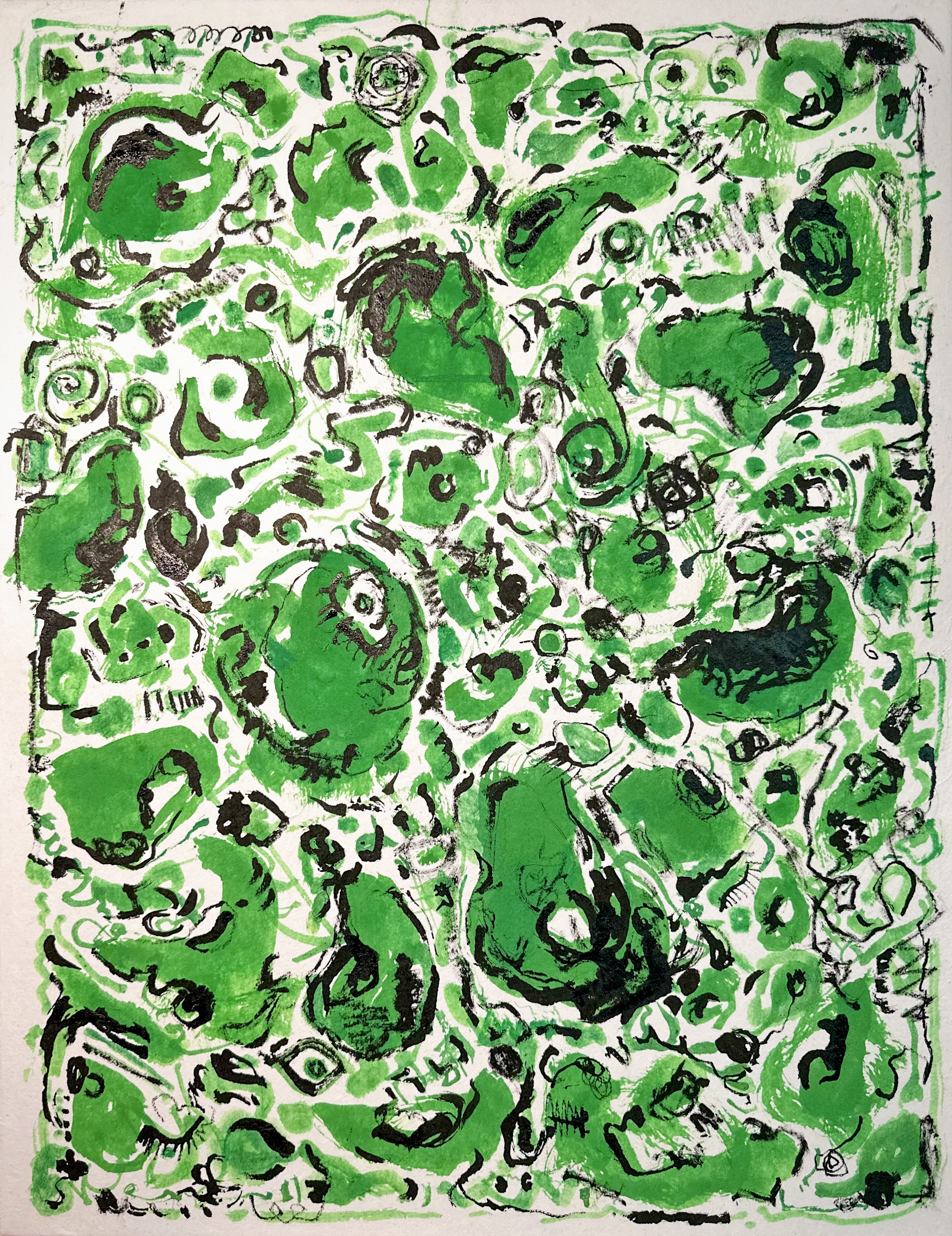
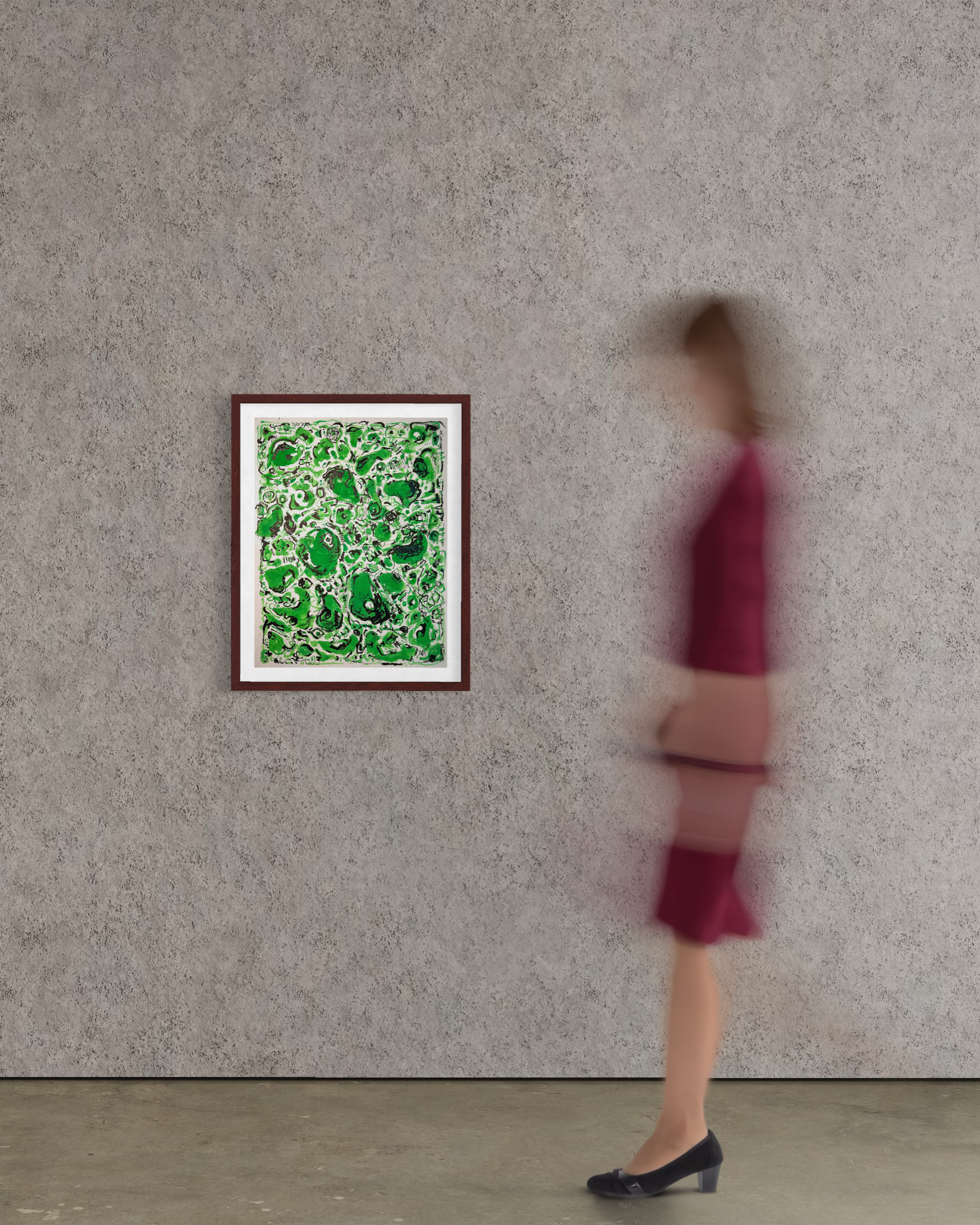
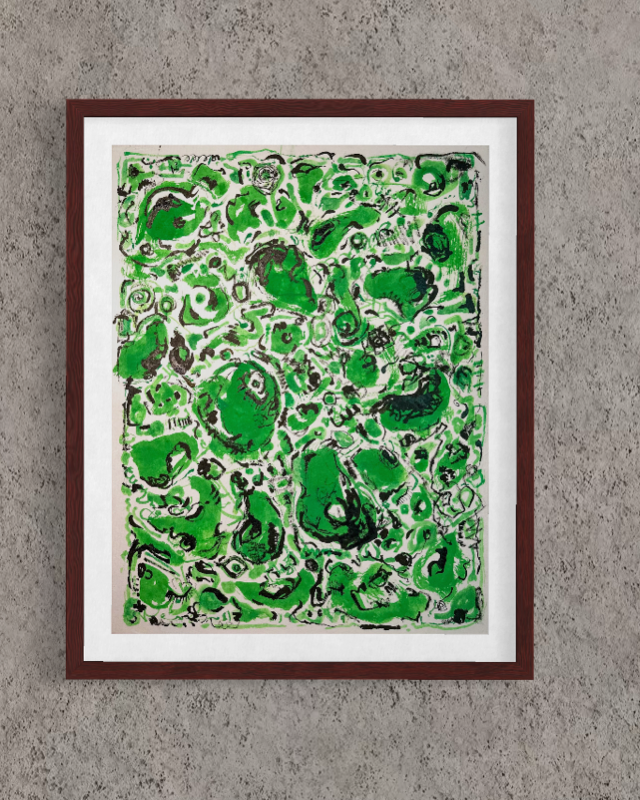
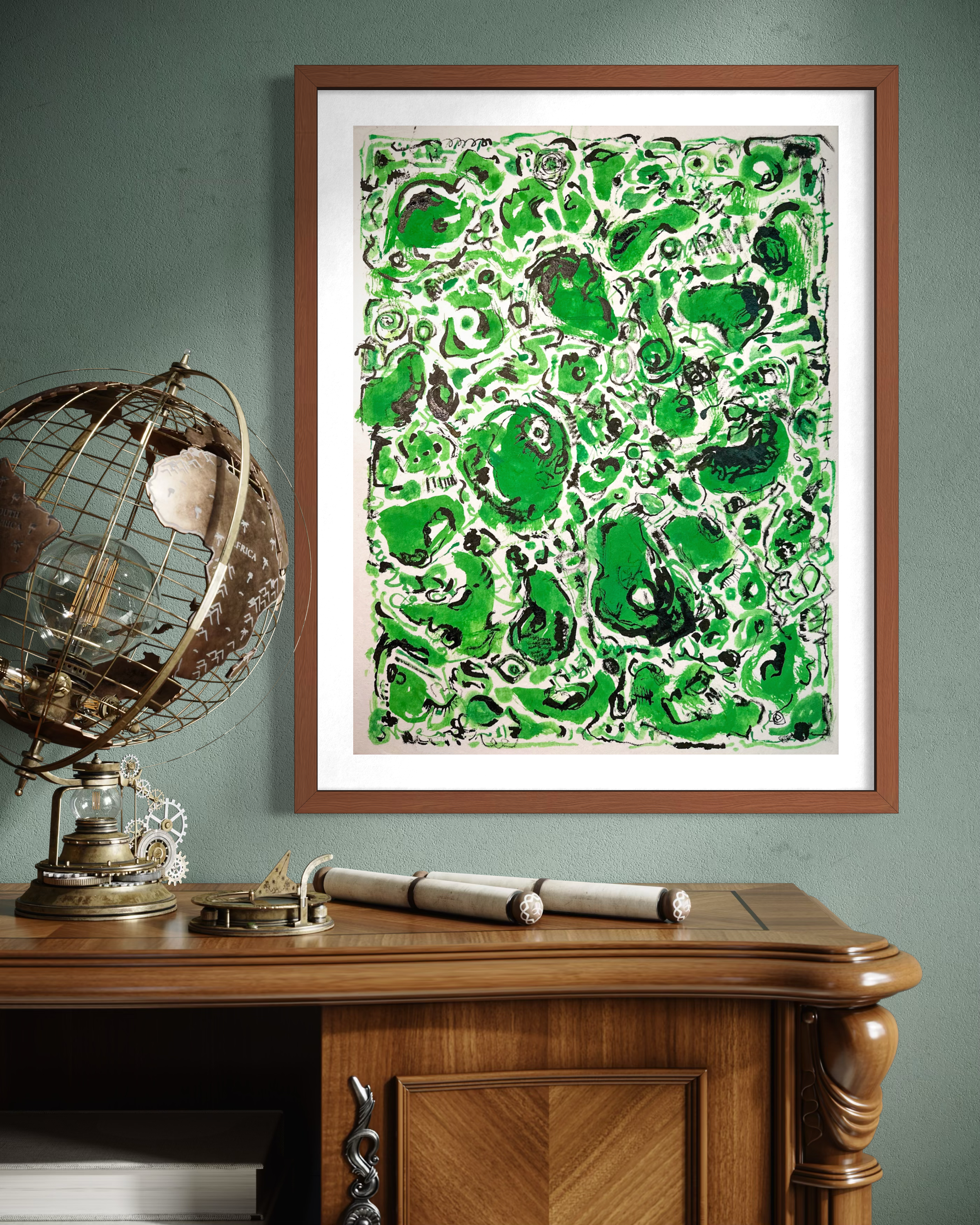
Prex Mea. #4
침잠 (沈潛) : Submergence
53.0 × 40.9 cm (P10)
Oriental Pigments and Ink on Hanji Canvas
https://jonathank.tistory.com
https://www.singulart.com/en/artworks/kim-jun-sung-prex-mea-4-2661392
https://l1nq.com/cs0frl3
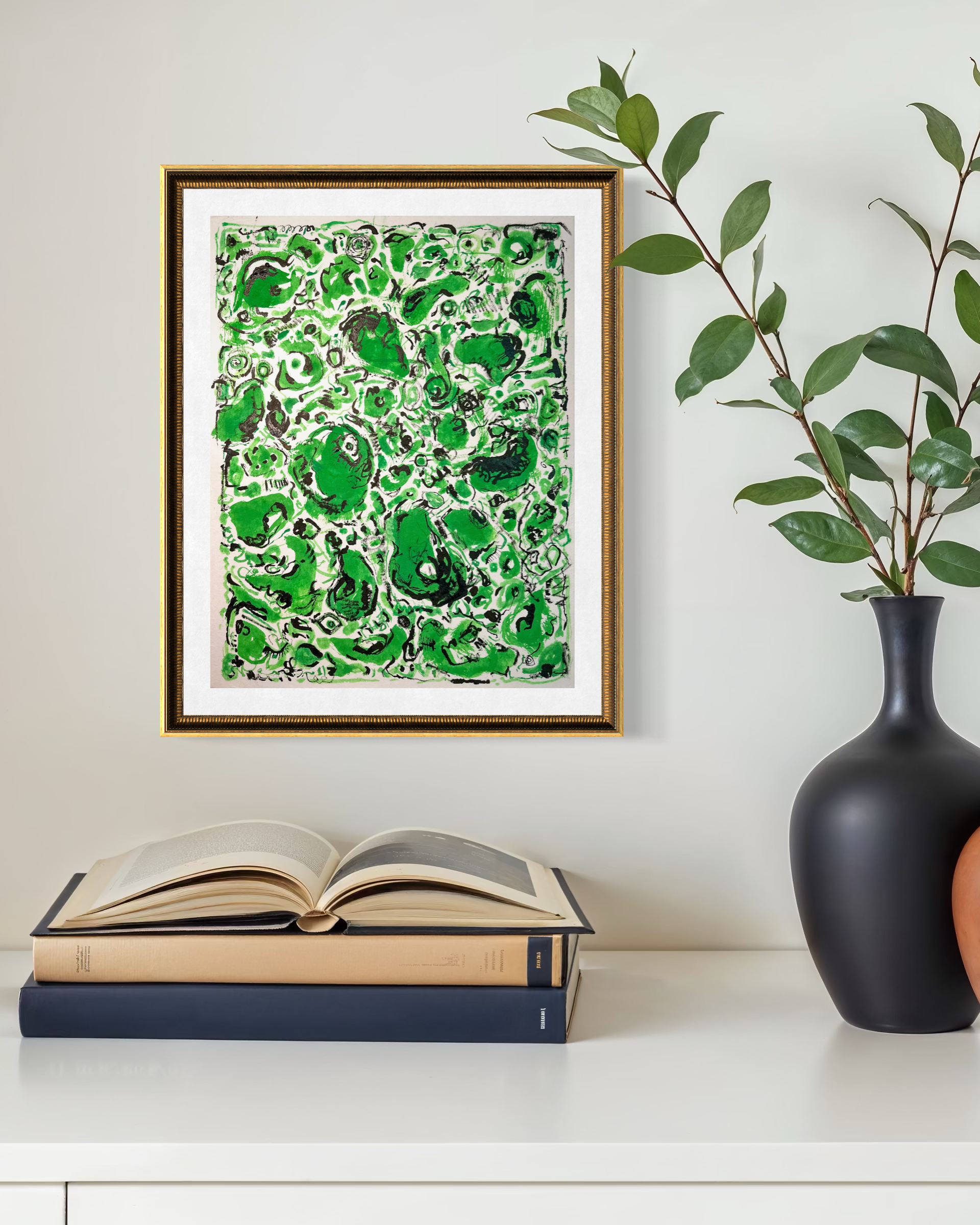
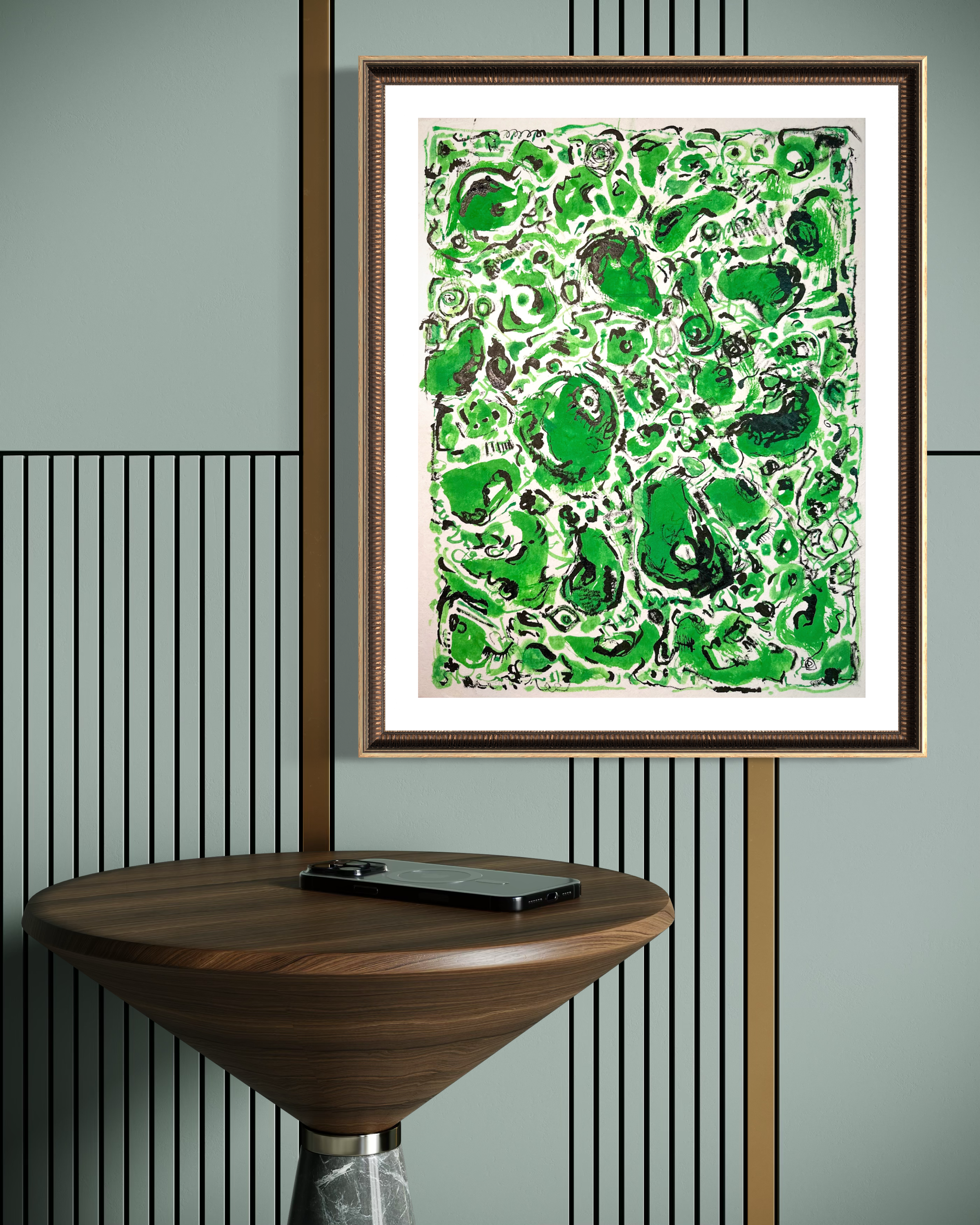
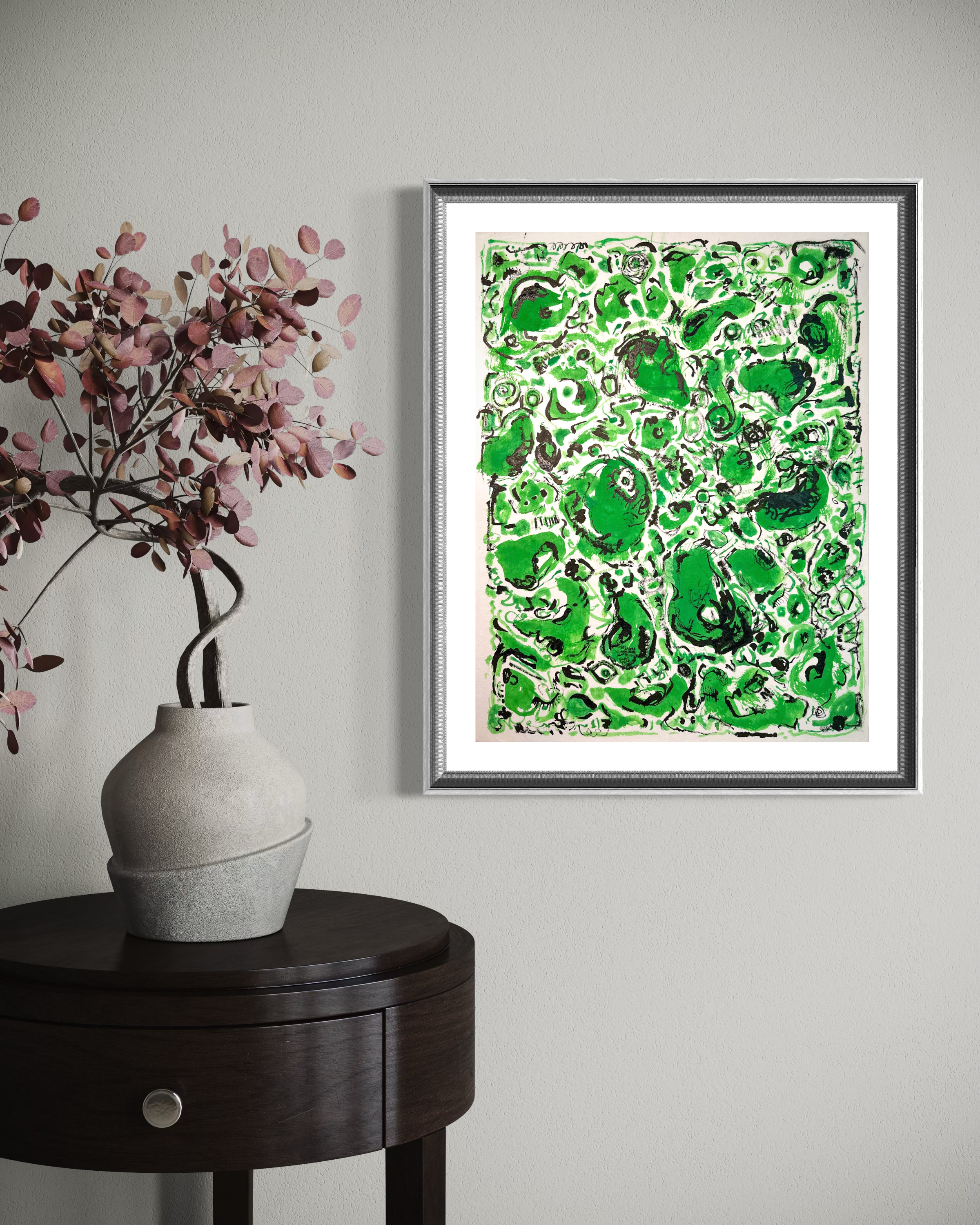
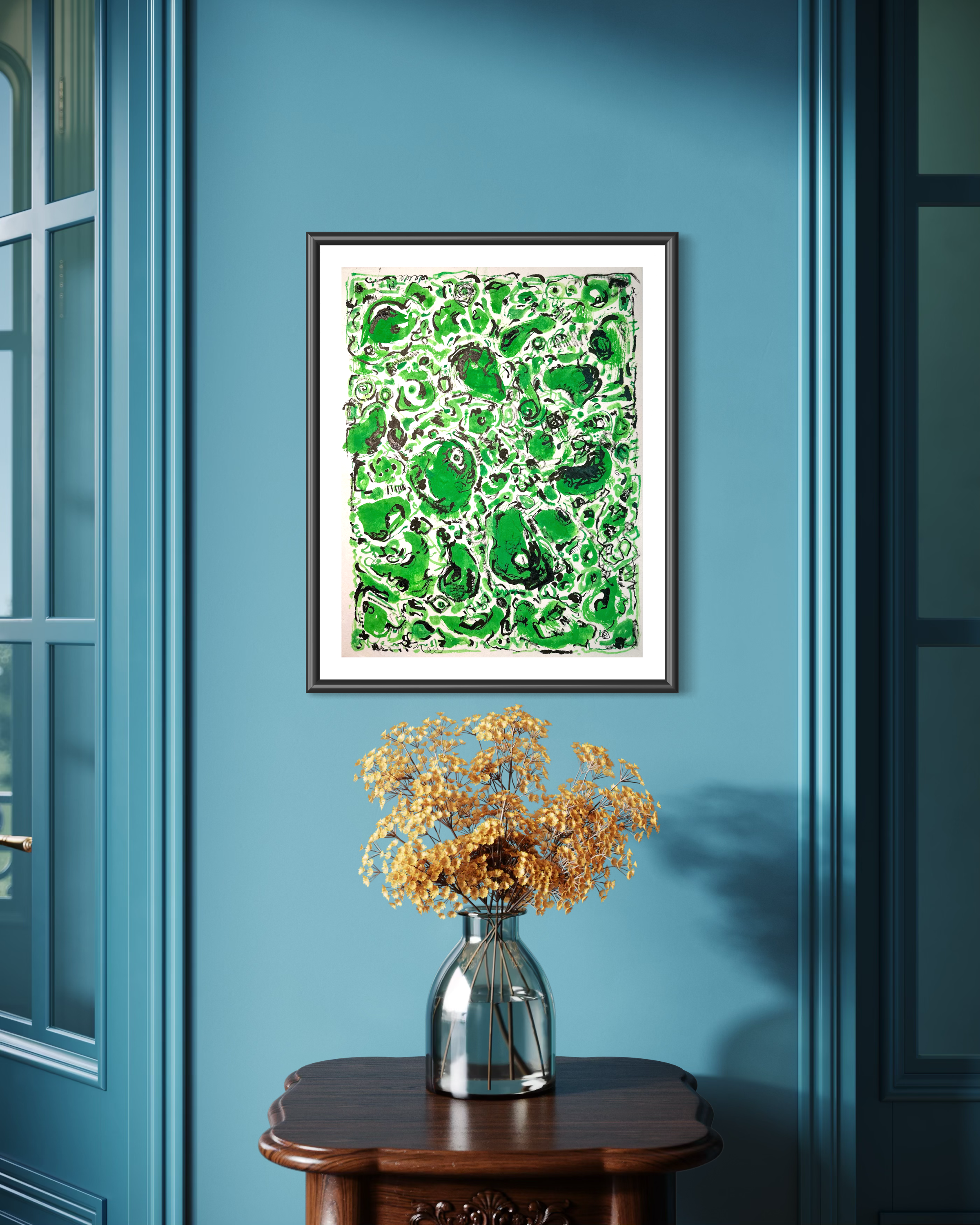
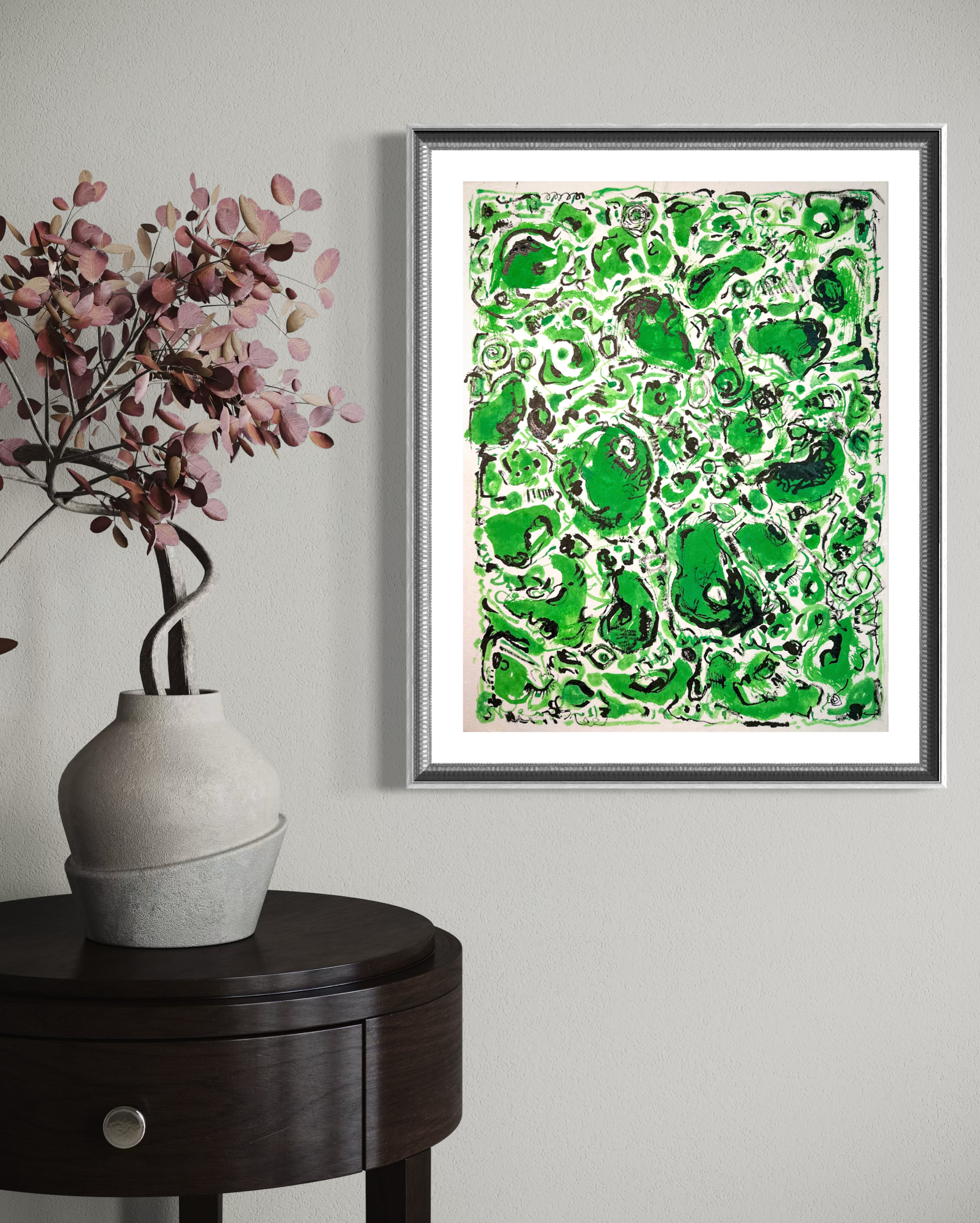
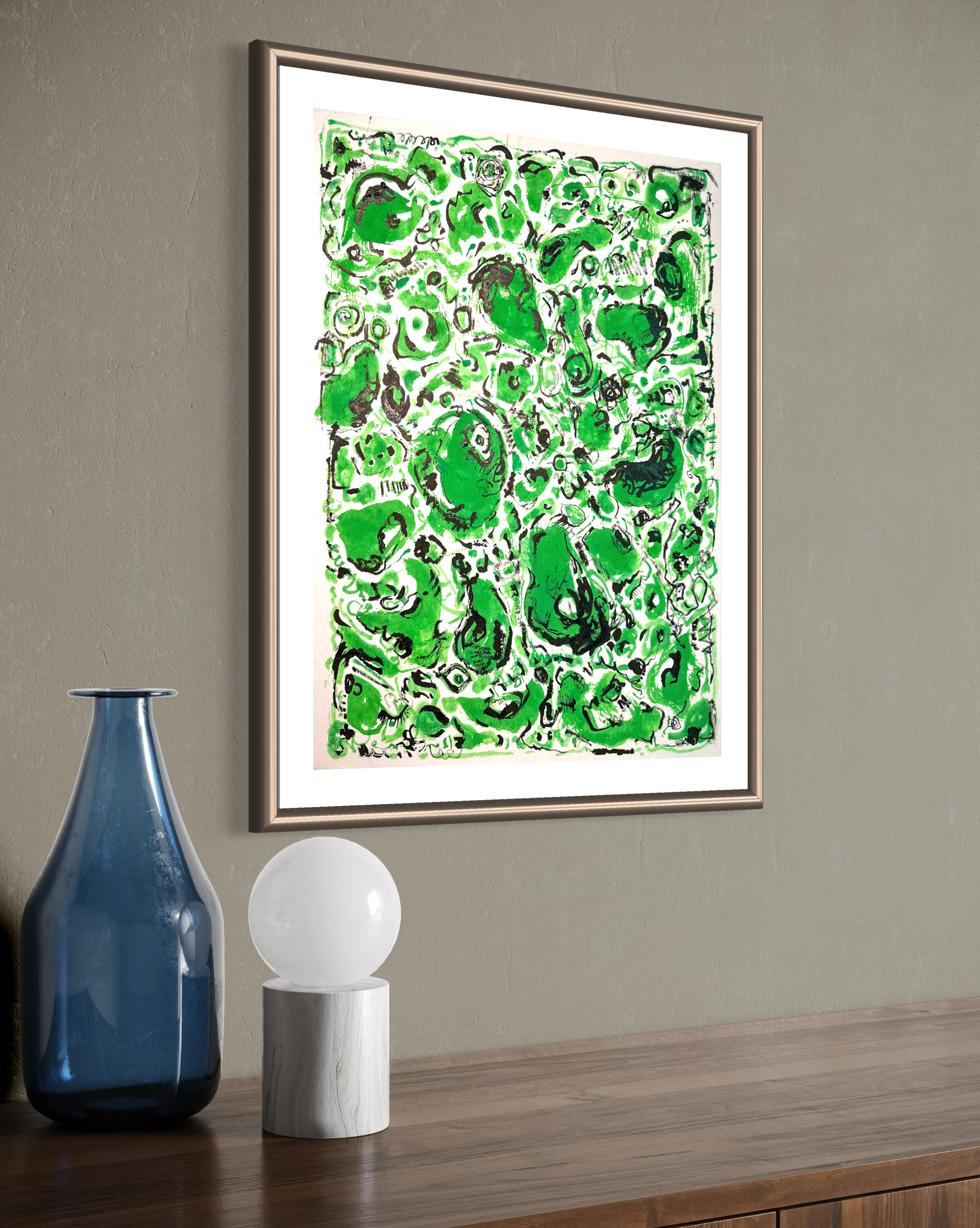
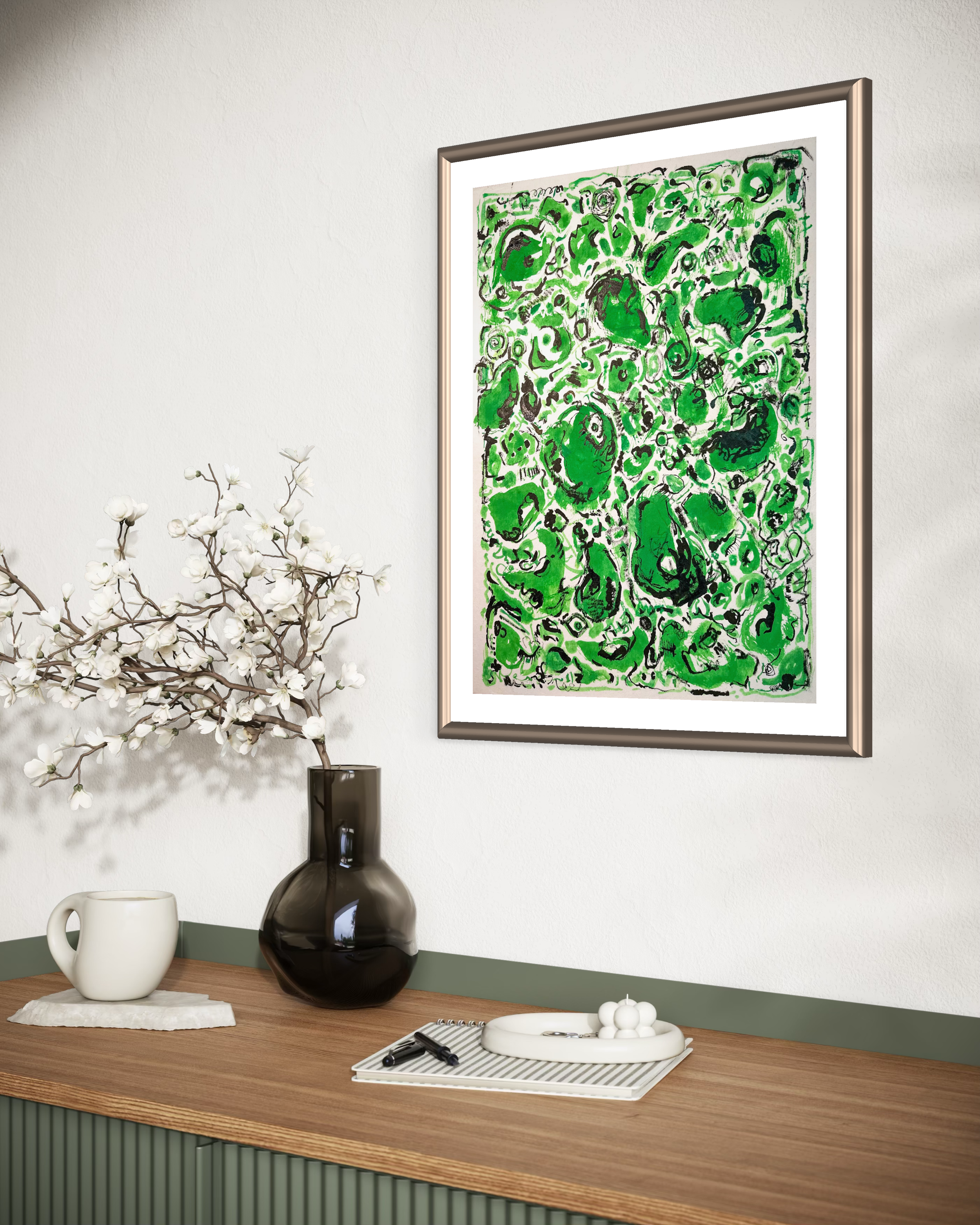
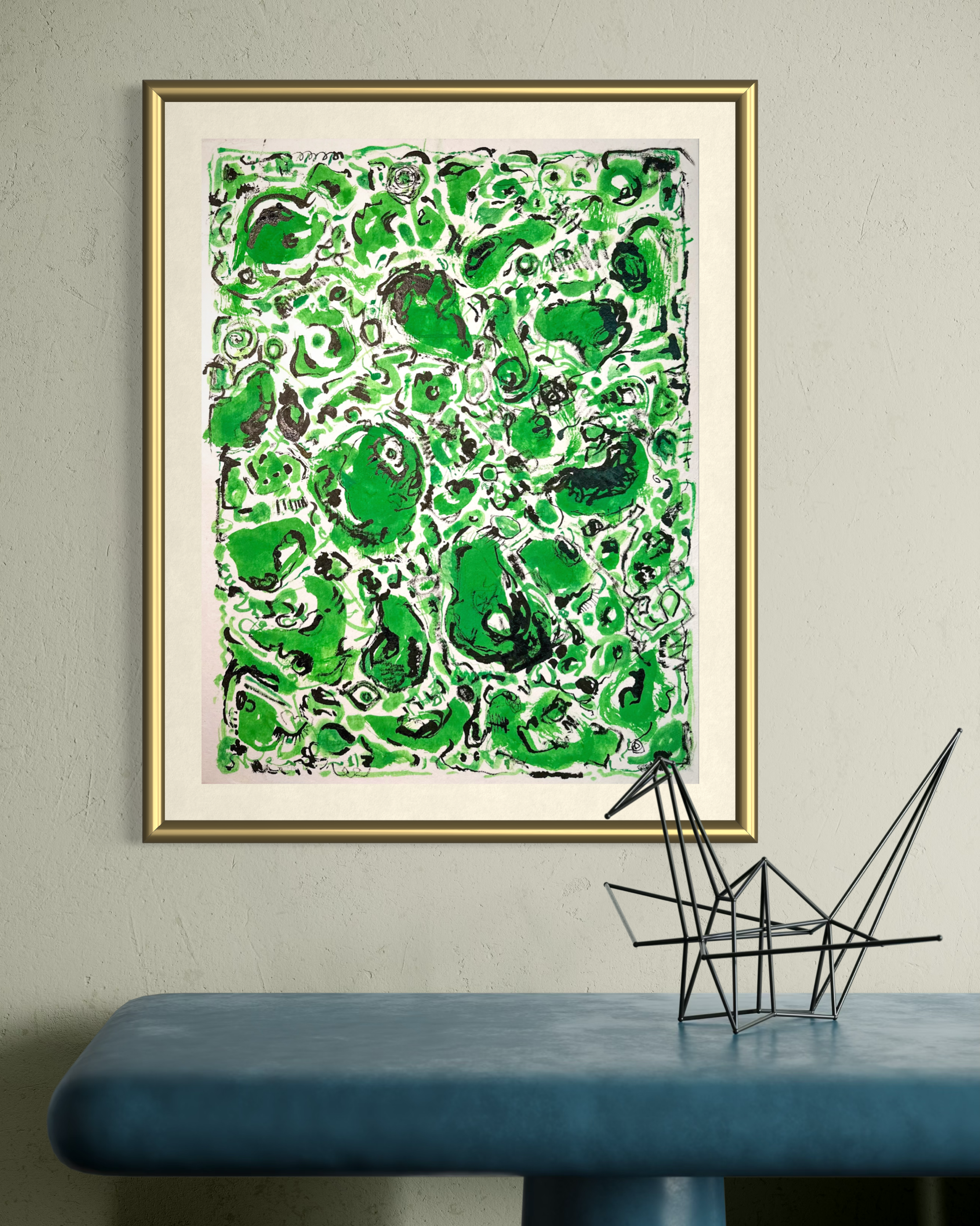
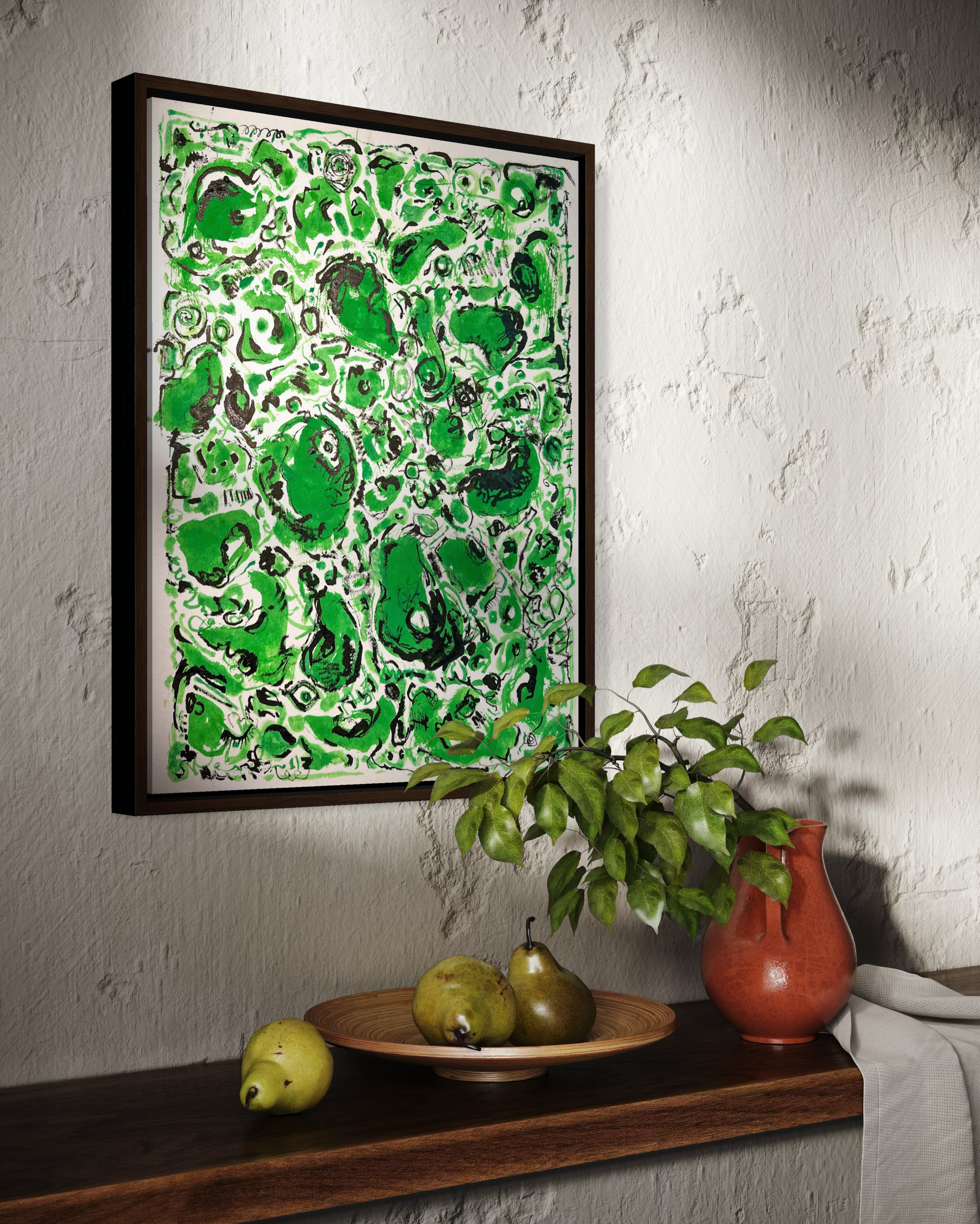
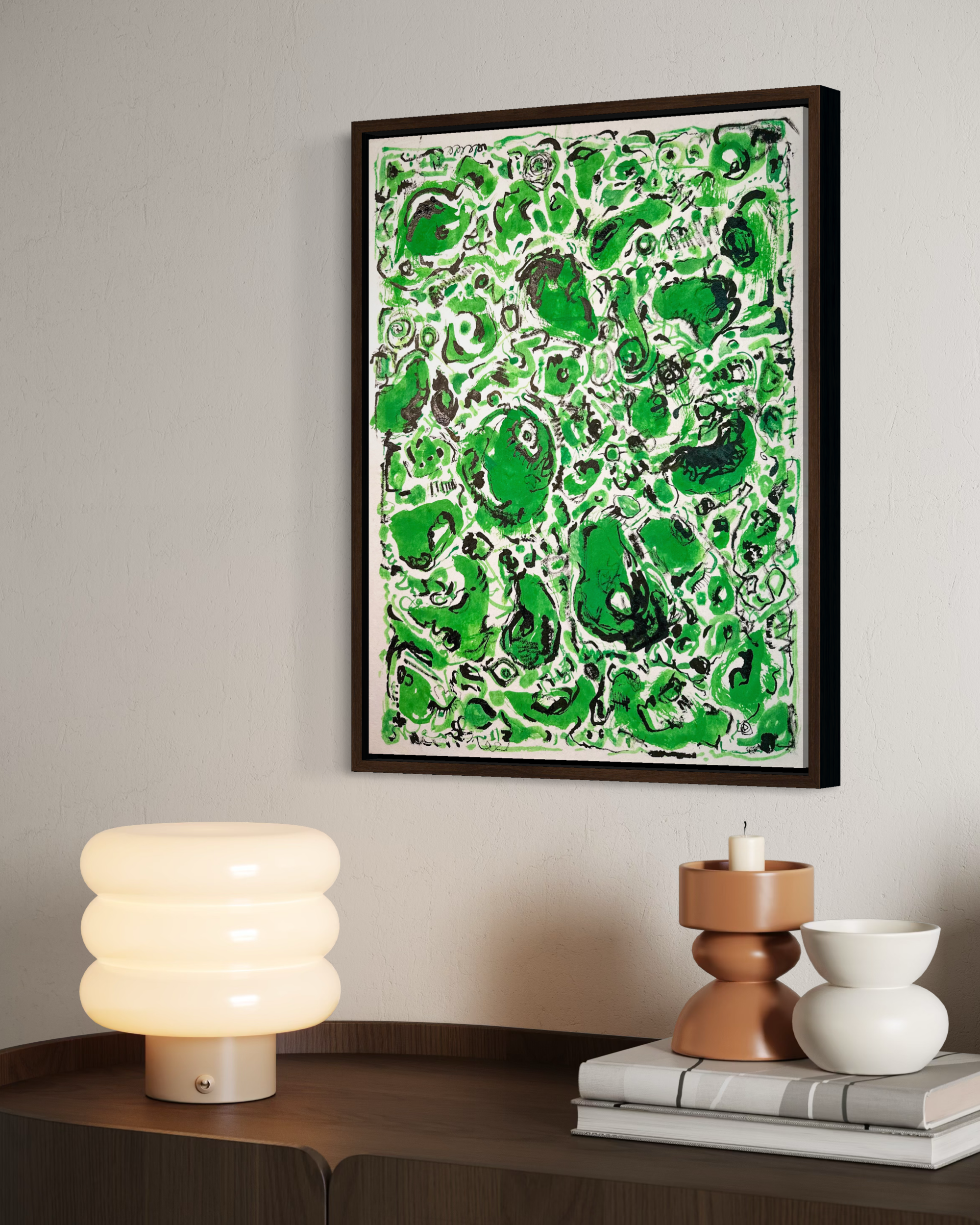
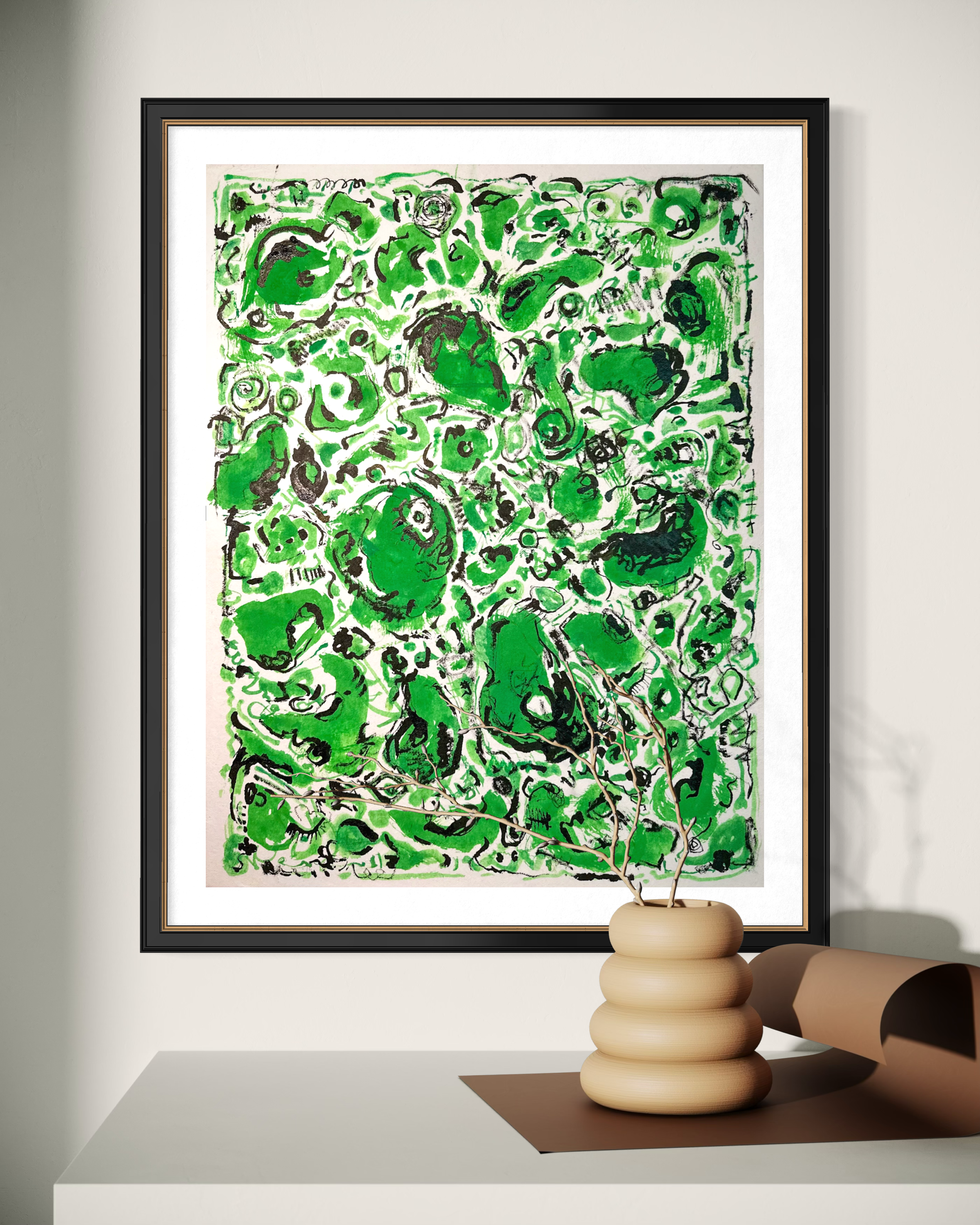
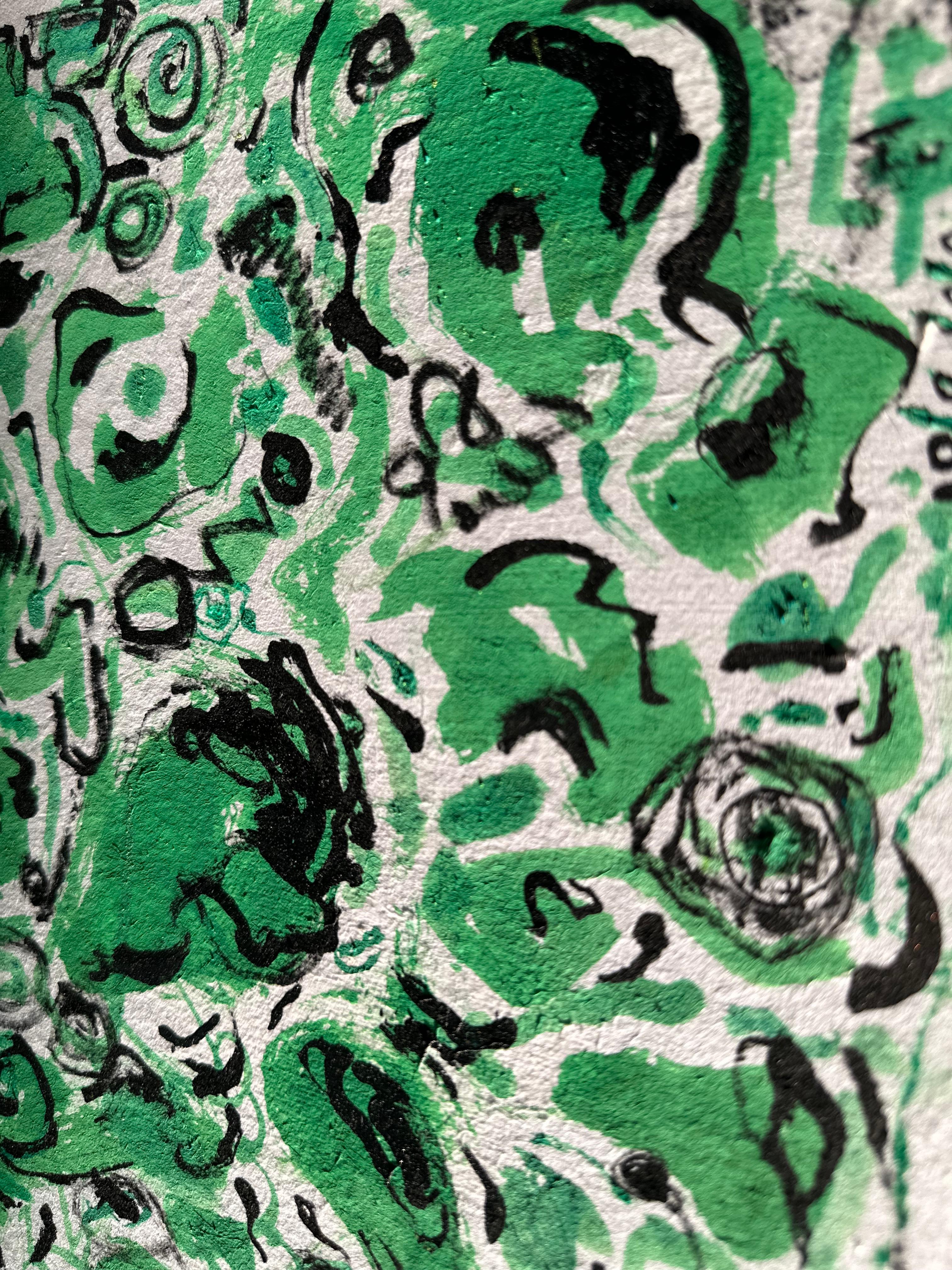
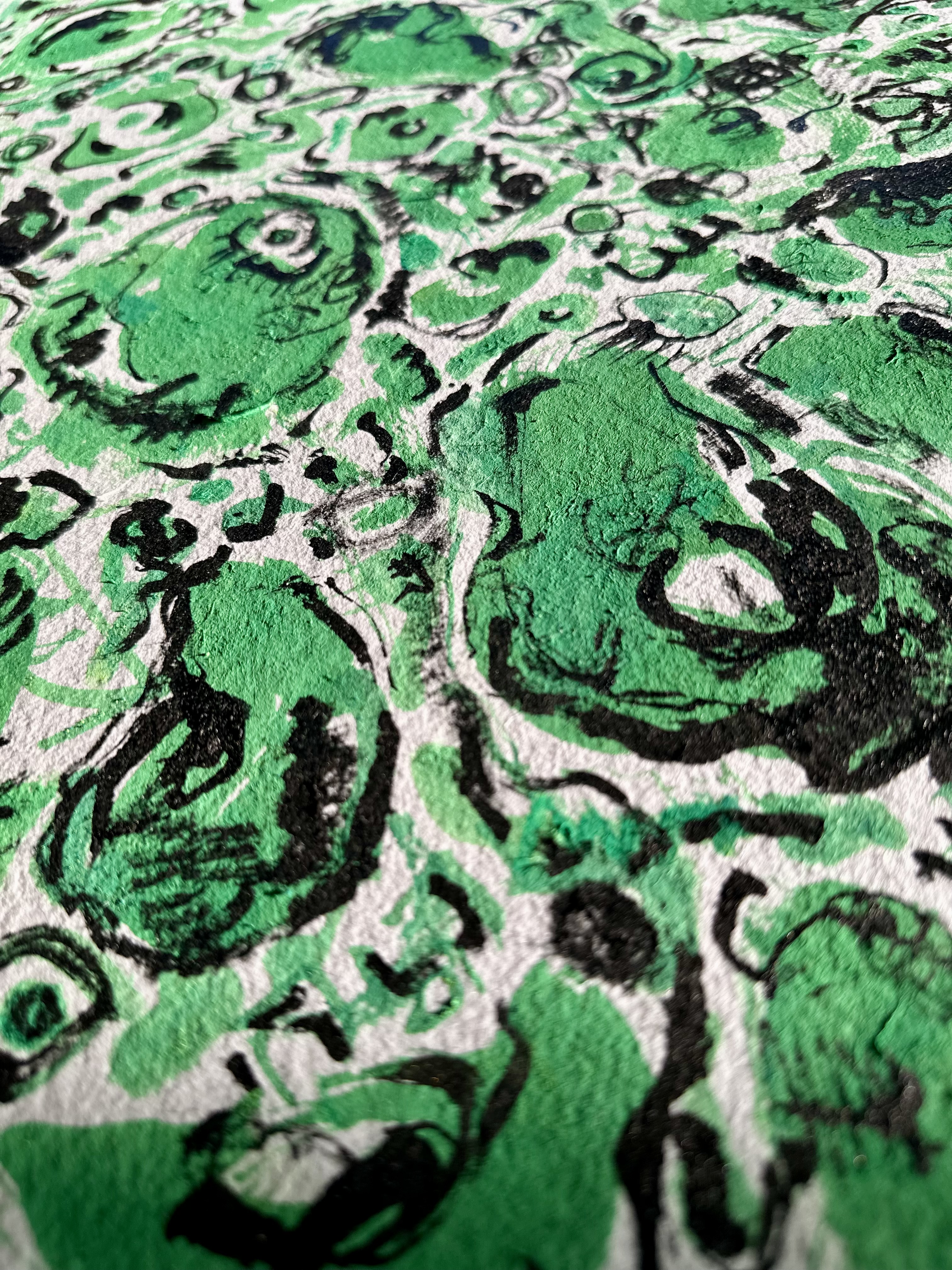
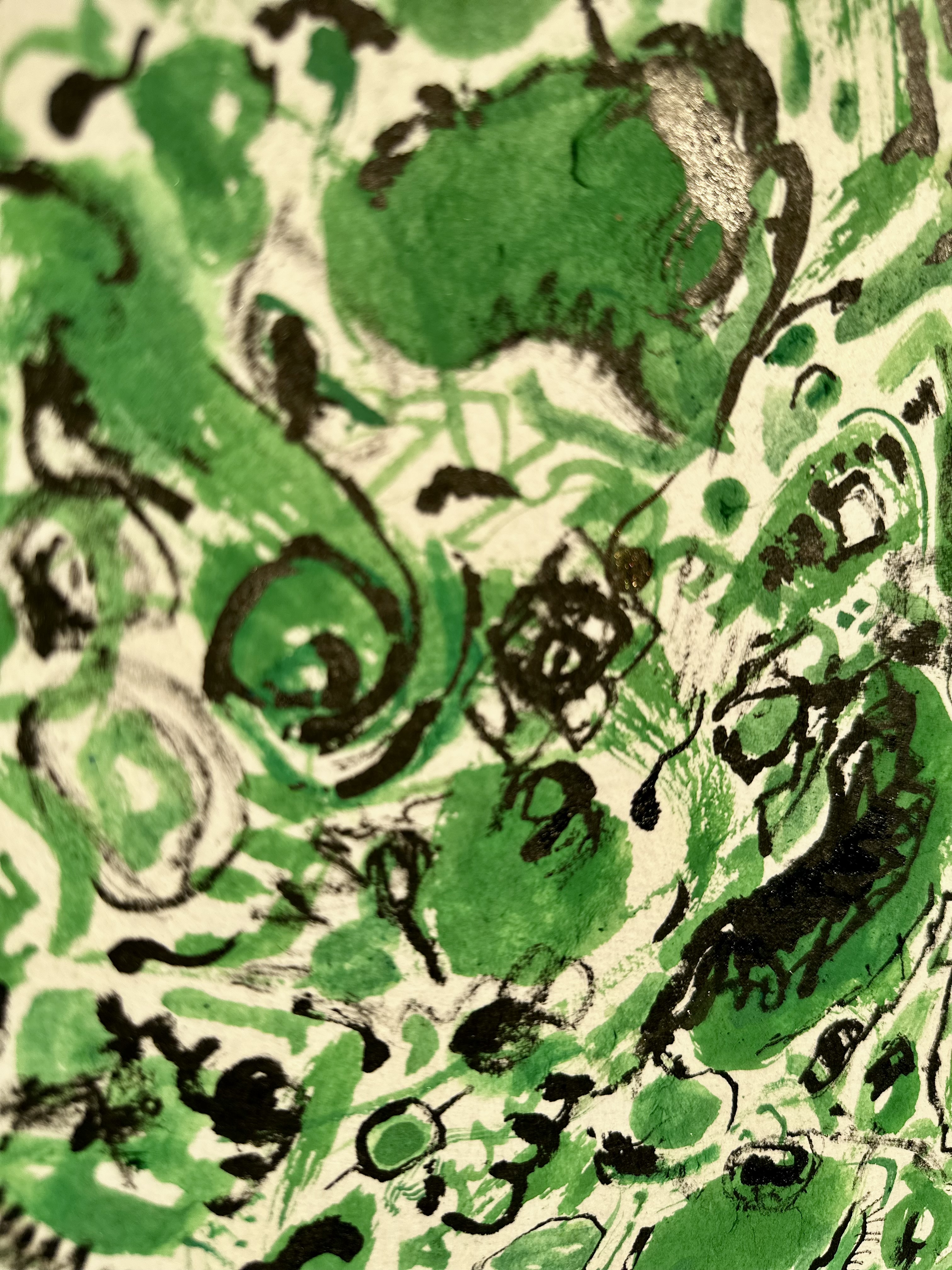
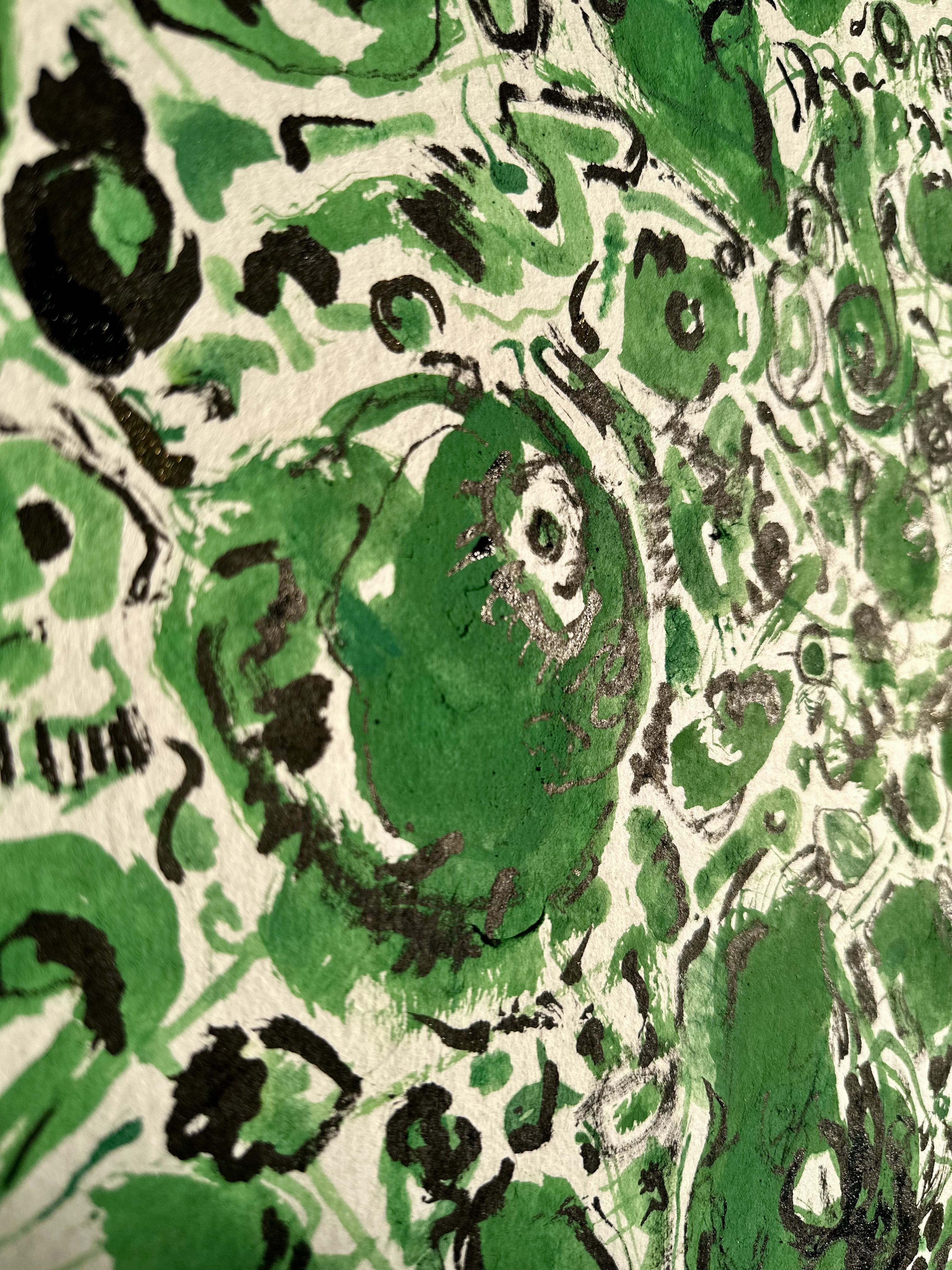
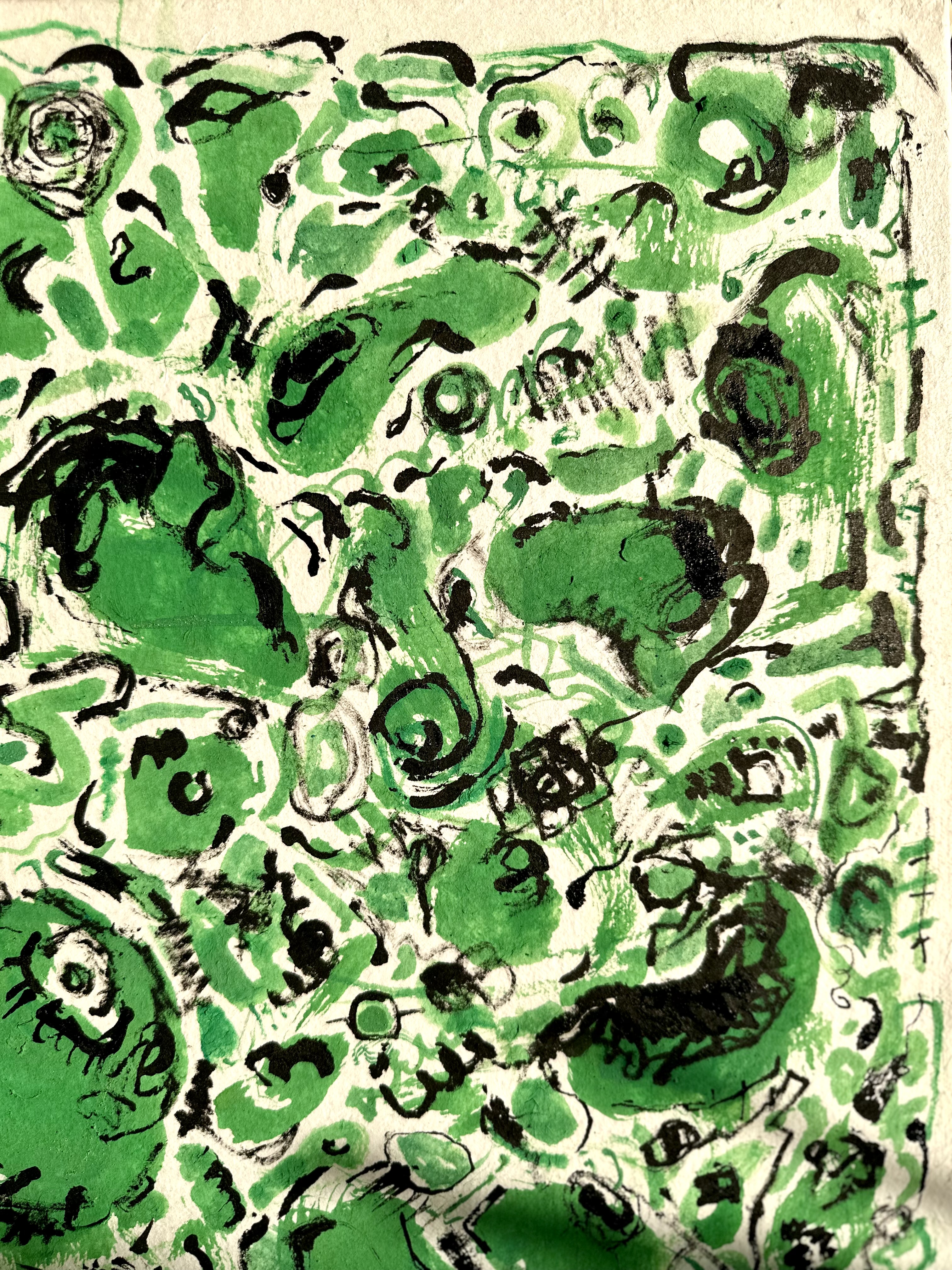
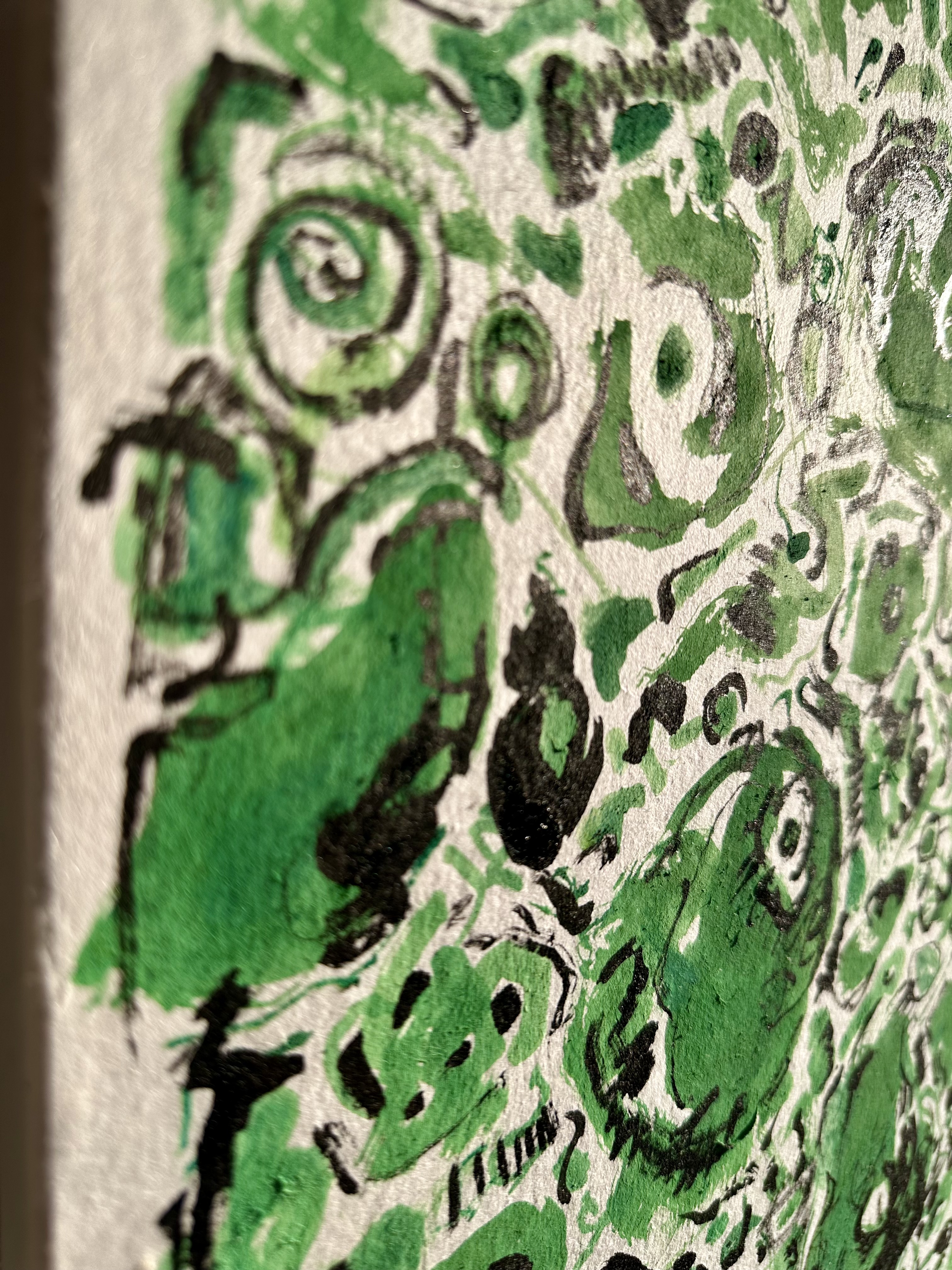
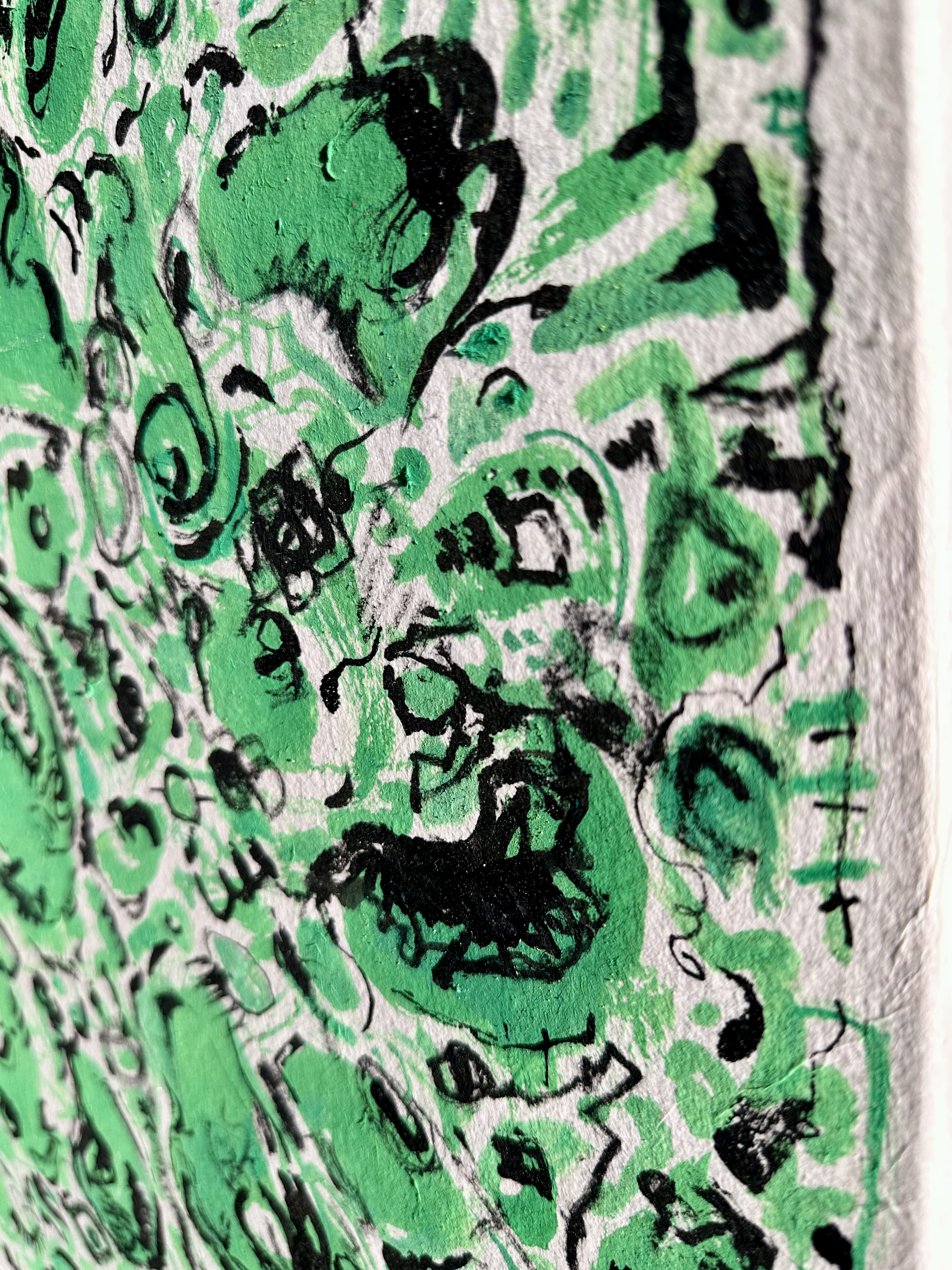
The green arrives before explanation. Across the hanji panel, organic forms cluster and press against one another, losing the spatial luxury of separation, yet they never dissolve into a singular unity. Each retains its distinct boundary. Black ink does not delineate from the outside; it settles within these cellular masses, moving from the interior.
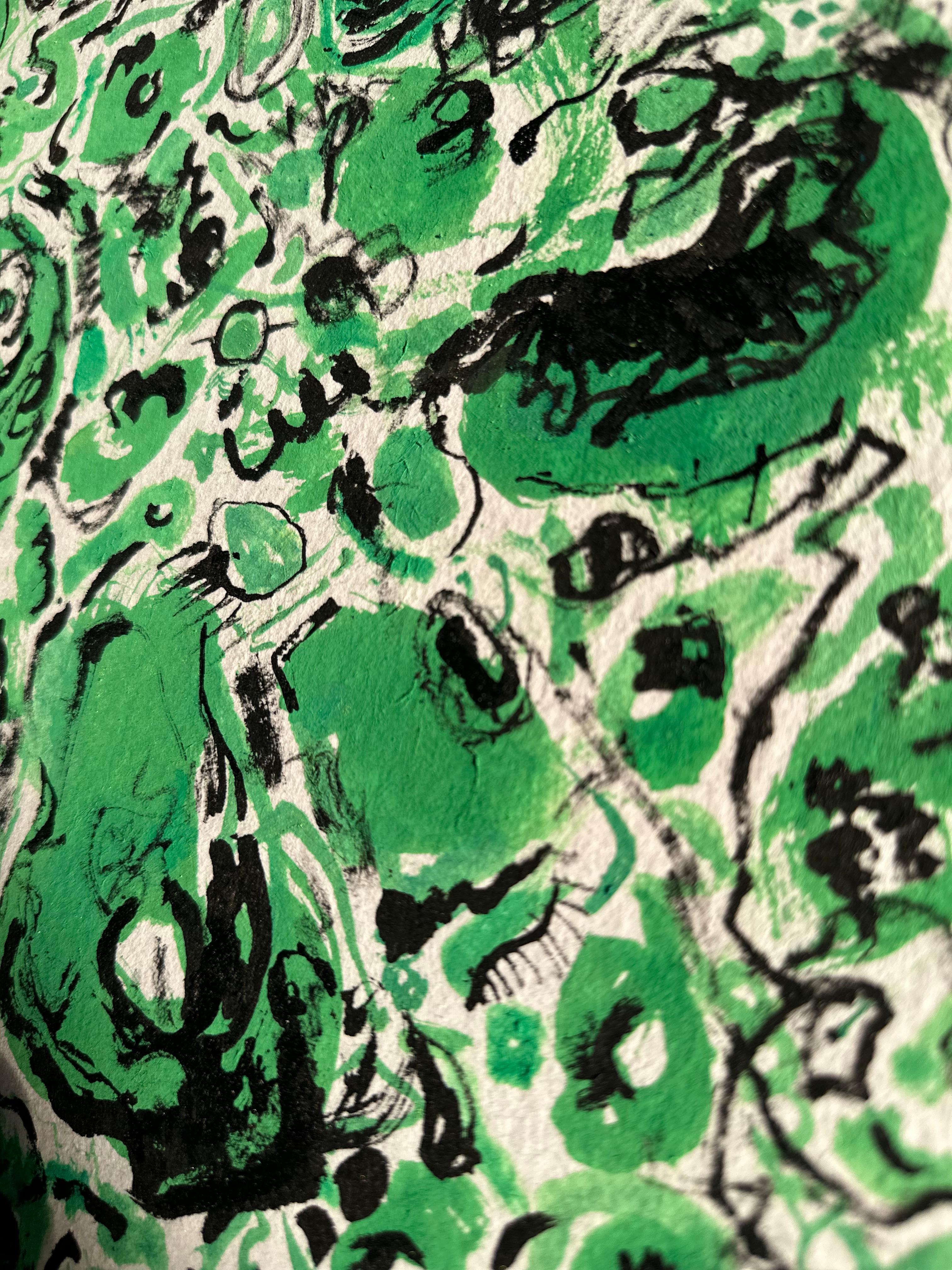
The marks on the surface do not appear to be the result of slow accumulation. Instead, the brushstrokes maintain a concentrated direction, and the pigments settle onto the screen through short, concentrated movements. The screen leaves a stronger impression of compression than repetition. 沈潛 (Chim-jam)—this dense adjacency, penetration, and compression is the screen.
녹색은 설명보다 먼저 도착한다. 한지 판넬 위의 유기적 형태들은 분리라는 공간적 여유를 잃어버린 채 서로 겹치고 밀어붙이며 군집을 이룬다. 그러나 결속할 뿐 서로에게 흡수되거나 섞이지 않으며, 각각의 개별성을 완강하게 고수한다. 검은 먹은 외부에서 경계를 규정하지 않고, 형태들의 내부에 안착하여 안쪽으로부터 움직인다.
화면의 흔적들은 천천히 축적된 결과처럼 보이지 않는다. 필획은 집중된 방향성을 유지하며, 안료와 먹은 짧고 집중된 움직임 속에서 화면에 안착한다. 화면은 반복보다 압축의 인상을 강하게 남긴다. 침잠(沈潛)—이 조형적 밀집과 침투, 그리고 화면 전체를 관통하는 압축이야말로 화면 자체다.
The surface drives density into the substrate until the specific weight of the form becomes an immediate physical sensation.
The green does not spread evenly across the hanji panel; it gathers into dense, cellular clusters. These forms press tightly against one another, refusing the breathing room that comes from separation, yet they strictly maintain their own boundaries without blurring into unity. The black ink does not function as an outline imposed from the outside. It enters the forms, settles within them, and becomes an internal presence sharing the same enclosed space.
The marks on the surface do not appear to be the result of slow accumulation. The brushstrokes maintain a concentrated direction, forcing the pigment and ink into deep proximity and penetration through short, concentrated actions. The title 沈潛 (Chim-jam) represents this formal state—where the screen leaves a stronger impression of compression than repetition, locking the material elements firmly into the substrate.
Forms adjacent yet never fusing, pigment driven into fiber, and the brushstroke traversing the screen.
화면은 형태의 구체적인 무게감이 실제 감각으로 구현될 때까지 바탕의 조건 속으로 밀도를 밀어 넣는다.
녹색은 한지 판넬 위에 균등하게 퍼지지 않고 촘촘한 세포의 군락처럼 축적되며, 시각적 숨구멍을 거부한다. 형태들은 서로 밀착하되 결코 섞이지 않고, 개별적인 차이를 유지한 채 촘촘하게 인접한다. 검은 먹은 외부에서 경계를 긋는 선으로 기능하지 않고, 형태의 내부로 들어가 머물며 안쪽 공간을 공유하는 하나의 현존이 된다.
화면의 흔적들은 천천히 축적된 결과처럼 보이지 않는다. 필획은 집중된 방향성을 유지하며, 안료와 먹은 짧고 집중된 움직임 속에서 화면에 안착한다. 화면은 반복보다 압축의 인상을 강하게 남긴다. 부제인 ‘침잠(沈潛)’은 오직 형태의 압축과 물질의 내부화를 통해 도달한 냉정한 조형적 상태다.
인접하지만 융해되지 않는 형태들, 섬유 속으로 스며드는 안료, 그리고 화면을 가로지르는 필획.
PREX MEA #4: 沈潛 (Chim-jam)
— A Critical Reading (This text is written from the perspective of a third-party art critic.)
The surface begins with a high density. Before any narrative detour can establish itself, the surface of PREX MEA #4 presents an unyielding physical pressure. Green forms gather across the hanji panel with unusual insistence. They overlap, cluster, and press against one another; the eye cannot isolate a single form without simultaneously registering the surrounding shapes. The painting does not open through spaciousness but develops through rigorous compression, systematically removing the margins that serve as visual resting points. There is no moment of relief. The surface insists on its own continuous, condensed presence.
This density operates as the dominant formal condition organizing the work. The green remains across the surface with quiet persistence—saturated, distributed, fully occupying the ground. Within this field, individual forms appear cellular, organic, and unfinished, resembling living structures in stages of clustering or splitting. Yet none settle into fixed representation; they remain suspended at the critical threshold between recognition and abstraction.
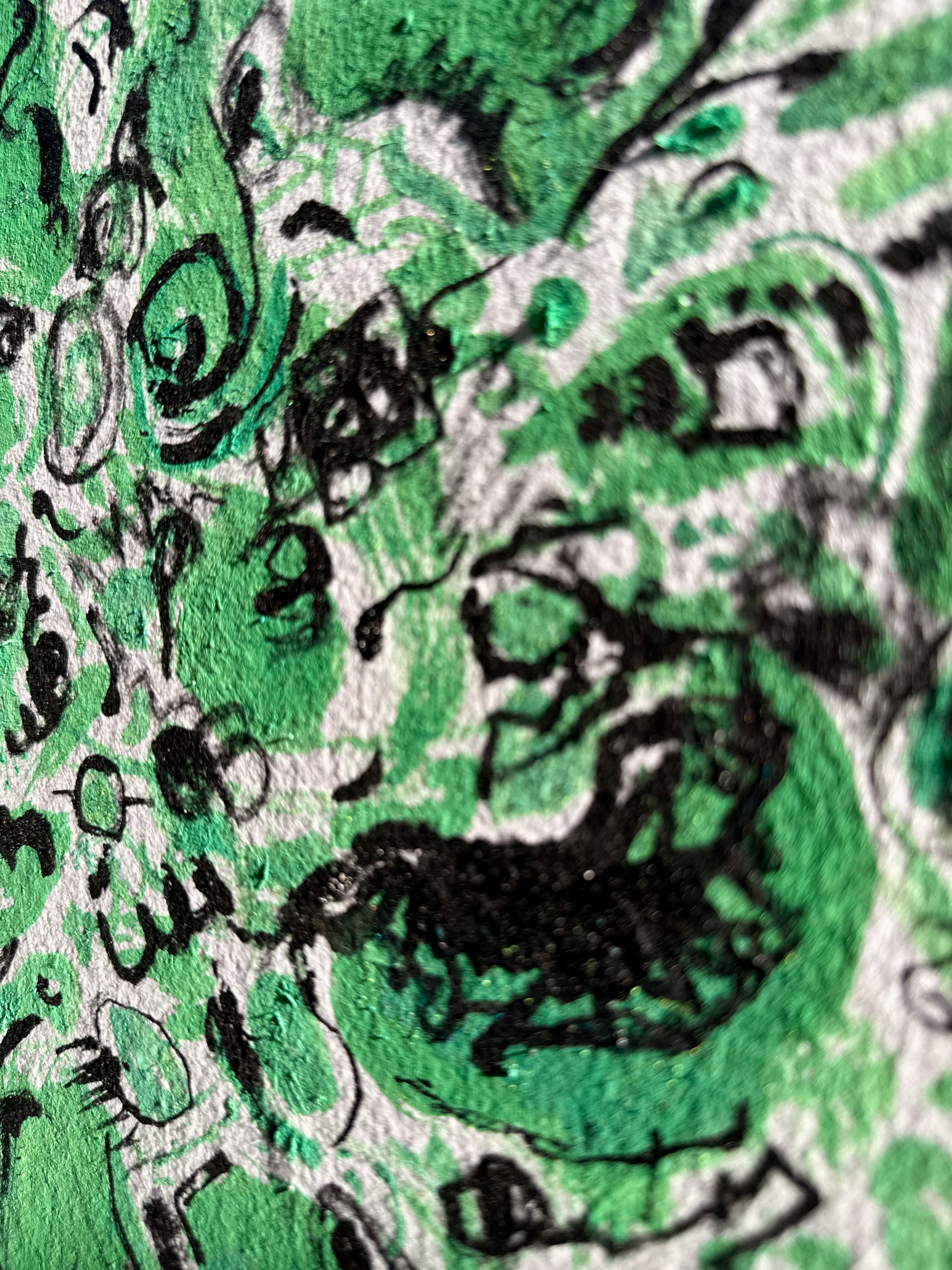
Within this green field, black ink performs a distinct, non-graphic role. Rather than operating as an external contour to define form, the ink moves into the masses themselves. It inhabits interiors, darkening the green clusters from inside rather than evaluating them from outside. The relationship between ink and pigment is thus not one of opposition but of mutual occupation. At close range, the ink no longer creates contrast so much as it creates an internal weight, sharing and validating the enclosed space without dividing it.
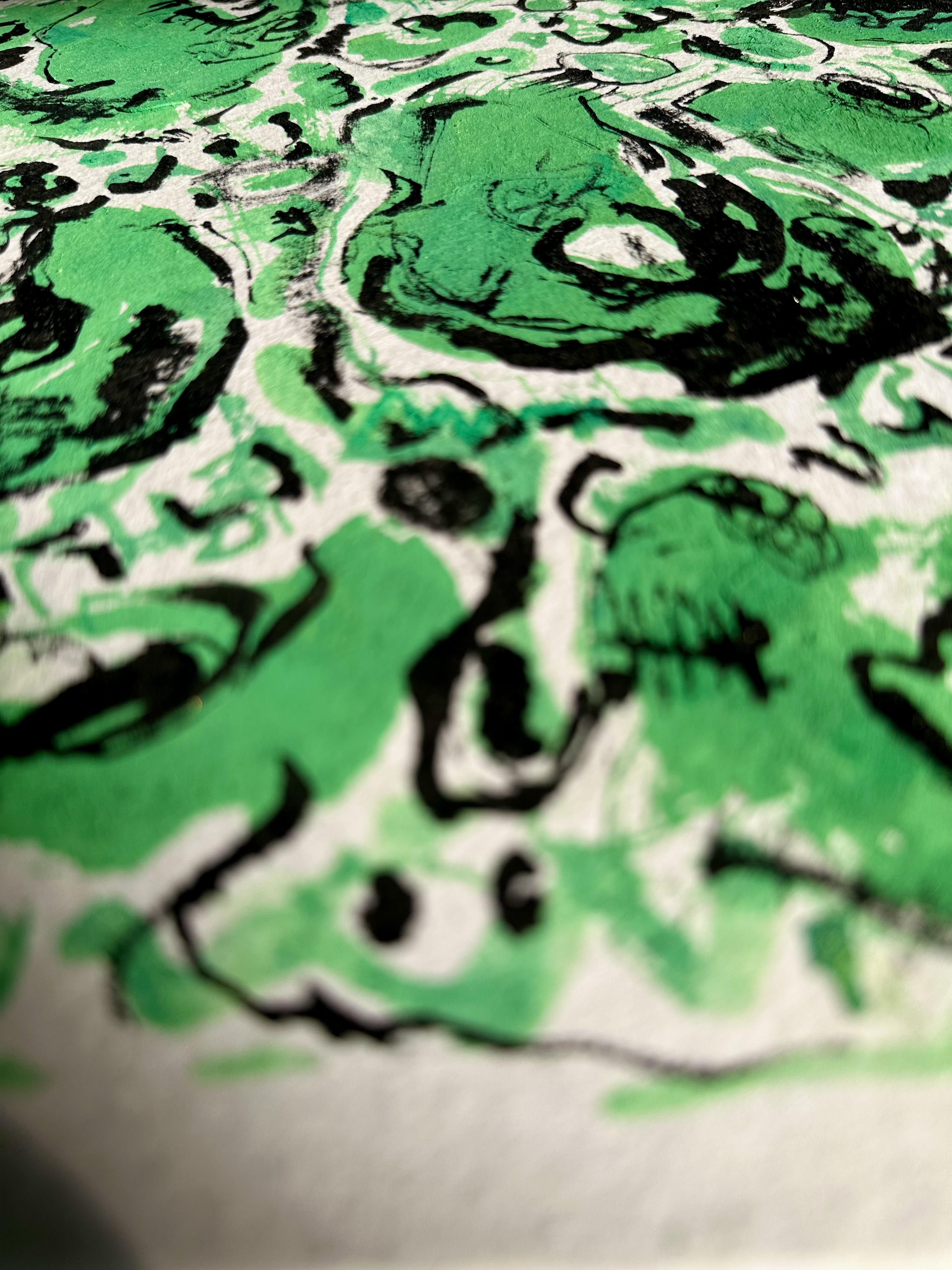
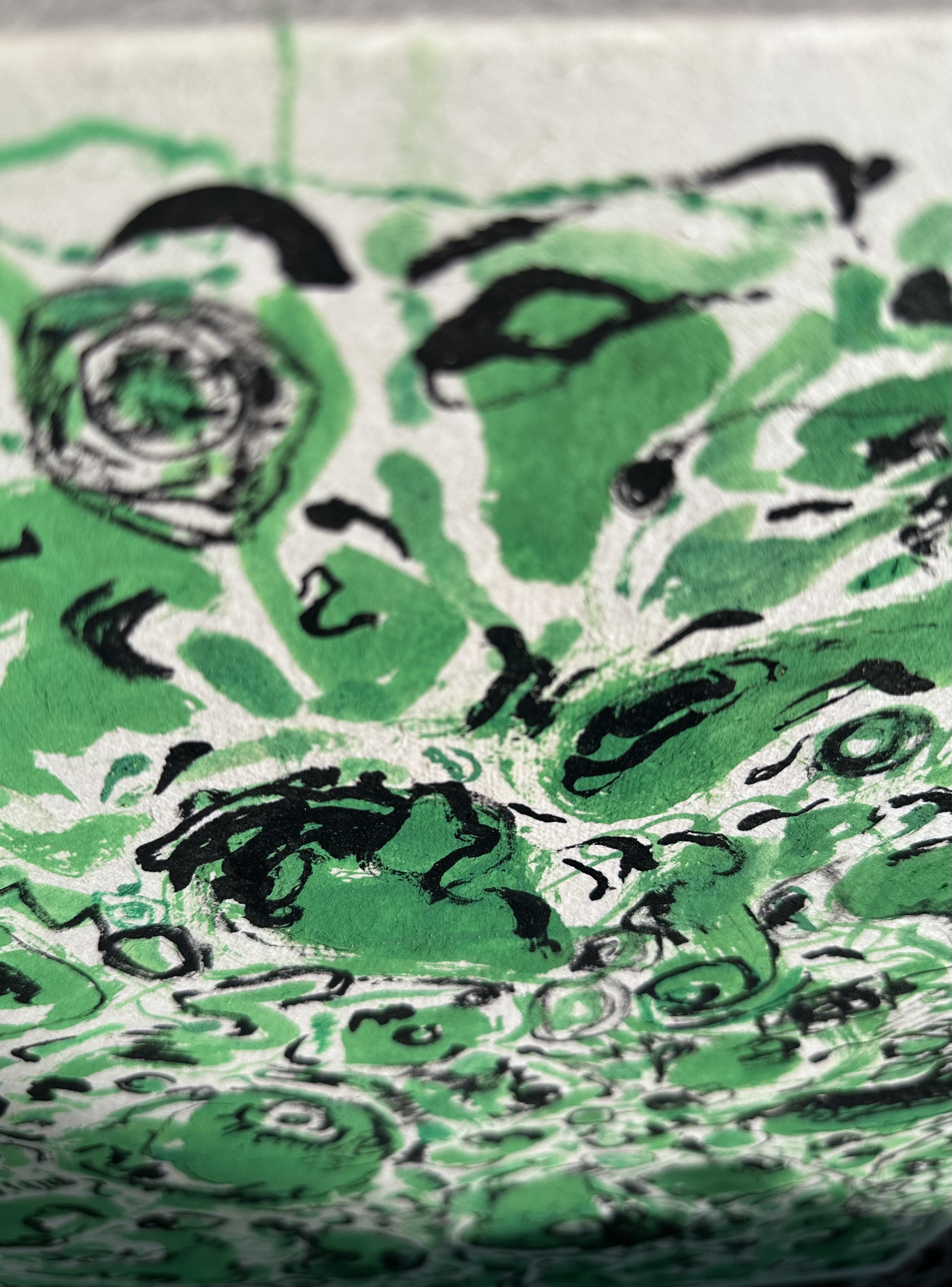
The material nature of the hanji panel serves as the essential support enabling this structural integration. Its absorbent, fibered structure does not simply receive pigment; it draws it inward. Color enters the substrate rather than resting entirely upon its surface, structurally binding the mark to the ground. Boundaries remain visible yet never completely fixed; the image sustains a tension between being formed and forming. The passages retain the appearance of concentrated movement—a pressure applied neither through tedious labor nor romantic impulse, but through short, concentrated movements of the hand. The brushstrokes maintain a concentrated direction, forcing the material tightly into the substrate. The screen leaves a stronger impression of compression than repetition.
The title 沈潛 (Chim-jam) refers to the material events occurring repeatedly across this surface. Black ink settles within the interior, pigment penetrates the fiber, and forms tightly adhere while maintaining their boundaries.
Crucially, this dense adjacency does not lead to dissolution or easy unity. Forms press into one another without resolving into each other. Edges blur through proximity, yet they maintain their distinct individual identities.
Pigment driven into fiber.
Ink entering and residing within form.
Shapes adjacent yet never fusing.
The brushstroke traversing the screen.
PREX MEA #4: 침잠(沈潛) — 비평적 읽기 (제3자 비평가의 시선으로 기술한 것이다.)
화면은 높은 밀도로 시작된다. 어떠한 서사적 우회나 맥락을 허용하기 전에, PREX MEA #4의 표면은 완강한 물리적 압박감을 전해온다. 녹색 형태들은 한지 판넬 위에 이례적일 정도로 빽빽하게 모여든다. 그것들은 서로 겹치고 밀어붙이며 군집을 이루는데, 이 때문에 시선은 주변의 다른 형상들을 동시에 인지하지 않고서는 단 하나의 형태도 독자적으로 분리해낼 수 없다. 화면은 여백을 통해 열리지 않는다. 오히려 철저한 압축을 통해 전개되며, 시각적 휴식처를 완벽히 소거한다. 안도의 순간은 없으며, 화면은 자신의 연속적이고 응축된 상태만을 고수한다.
이 밀도감은 작품을 조직하는 가장 우세한 조형적 조건이다. 녹색은 화면 전면에 머문다. 포화 상태로, 타협 없이, 판넬 전면에 분산되어 바탕을 점유한다. 이 장(field) 안에서 개별 형태들은 세포나 씨앗, 혹은 군집하거나 분열하는 단계의 유기체를 연상시키며 유동적으로 존재한다. 그러나 어느 하나의 구체적 대상에 고정되지는 않으며, 재현과 추상 사이의 임계점에 머문다.
이 녹색의 장 내부에서 검은 먹은 독특한 역할을 수행한다. 여기서 먹은 형태를 규정하기 위해 외부에서 경계를 긋는 도식적인 선이 아니다. 먹은 형태 내부로 들어가 머문다. 녹색 덩어리 안쪽에 자리 잡으며 바깥에서 정의하기보다 안쪽에서부터 화면을 어둡게 만든다. 따라서 먹과 안료의 관계는 대립이 아니라 상호 점거에 가깝다. 화면을 근접해서 바라보면 먹은 대비를 만들어내기보다 일종의 내재된 무게를 형성하며, 동일한 닫힌 공간을 분할하지 않고 공유하는 조형적 구조를 완성한다.
한지 판넬의 물질성은 이러한 구조적 통합을 가능하게 만드는 핵심적인 지지체(support)다. 한지의 섬유질 구조는 안료를 단순히 표면에 받아들이기만 하는 것이 아니라 안쪽으로 끌어들인다. 색은 종이 위에 얹히기보다 내부로 스며들며, 그 결과 흔적과 바탕의 경계는 구조적으로 결착된다. 경계는 유지되면서도 완전히 고정되지 않으며, 이미지는 완성된 상태와 생성 중인 상태 사이의 긴장을 유지한다. 화면의 흔적들은 집중된 움직임의 흔적을 유지한다. 필획은 집중된 방향성을 유지하며, 안료와 먹은 짧고 집중된 움직임 속에서 화면에 안착한다. 이 조형적 화면은 반복보다 압축의 인상을 강하게 남긴다.
제목 ‘침잠(沈潛)’은 이 화면에서 반복적으로 발생하는 물질적 사건들을 가리킨다. 먹은 내부로 들어가고, 안료는 섬유 속으로 스며들며, 형태들은 서로의 경계를 유지한 채 밀착한다.
결정적으로, 이 조형적 밀집은 형태들의 해체나 안이한 통일감으로 이어지지 않는다. 형태들은 서로를 밀어붙이면서도 서로 속으로 완전히 녹아들지는 않는다. 경계는 근접으로 인해 흐려질 뿐, 각각의 개별성을 유지한다.
섬유 속으로 스며드는 안료.
형태 안으로 들어가 머무는 먹.
인접하지만 융해되지 않는 형상들.
화면을 가로지르는 필획.







'Art > PREX MEA Series' 카테고리의 다른 글
| PREX MEA #6 灼中 (Jakjung) — Held in the Burn (0) | 2026.06.30 |
|---|---|
| PREX MEA. #5 : 동류 同流 — Adrift, Together (0) | 2026.06.20 |
| Prex Mea. #3 : 수색 (守色) : Keeping the Color (0) | 2026.06.10 |
| Prex Mea. #2 (Gwan-jo: Between Event and Density) (0) | 2026.06.07 |
| Prex Mea. #1 (Floating between Image and Gesture) (0) | 2026.06.04 |