2026. 6. 20. 06:26ㆍArt/PREX MEA Series
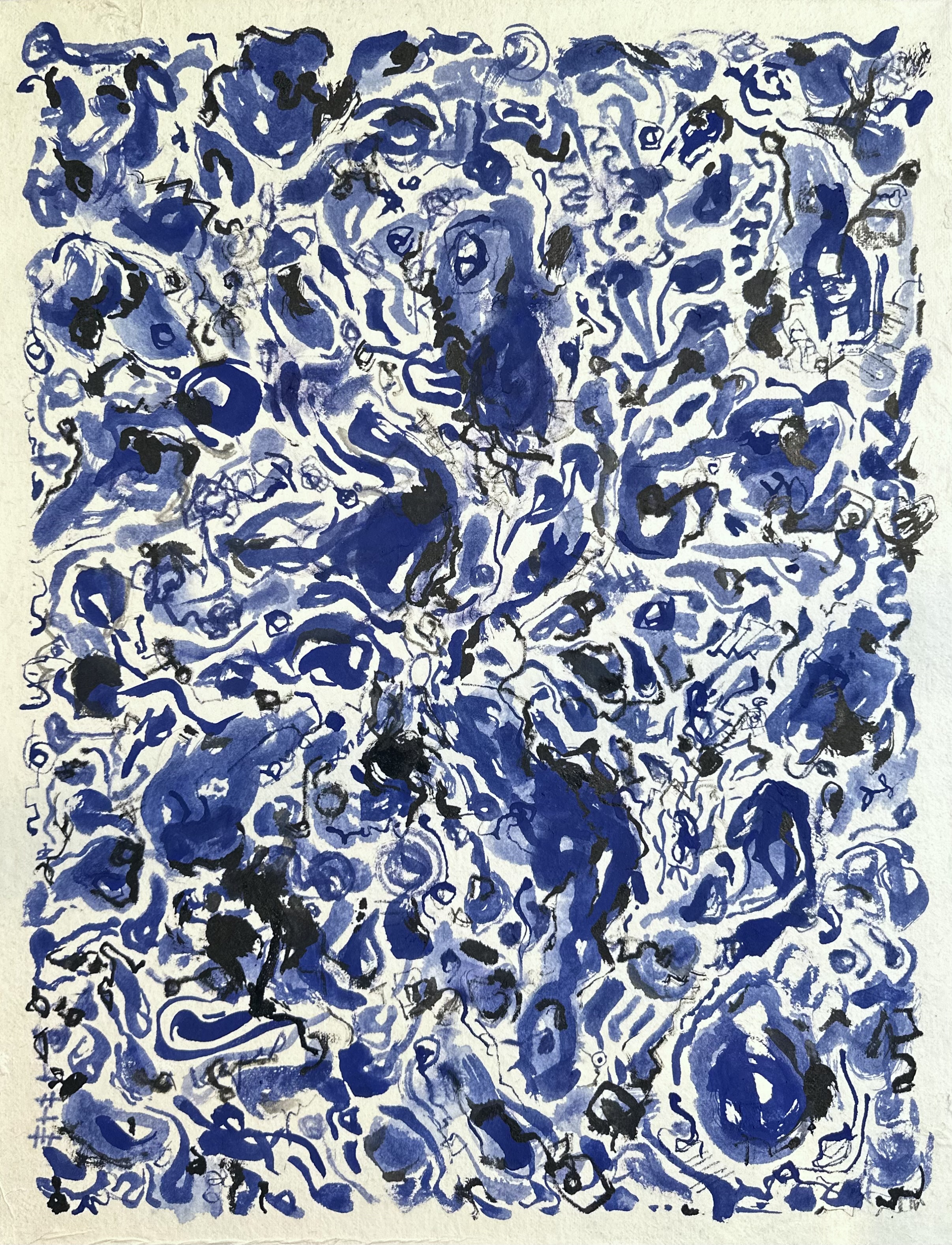
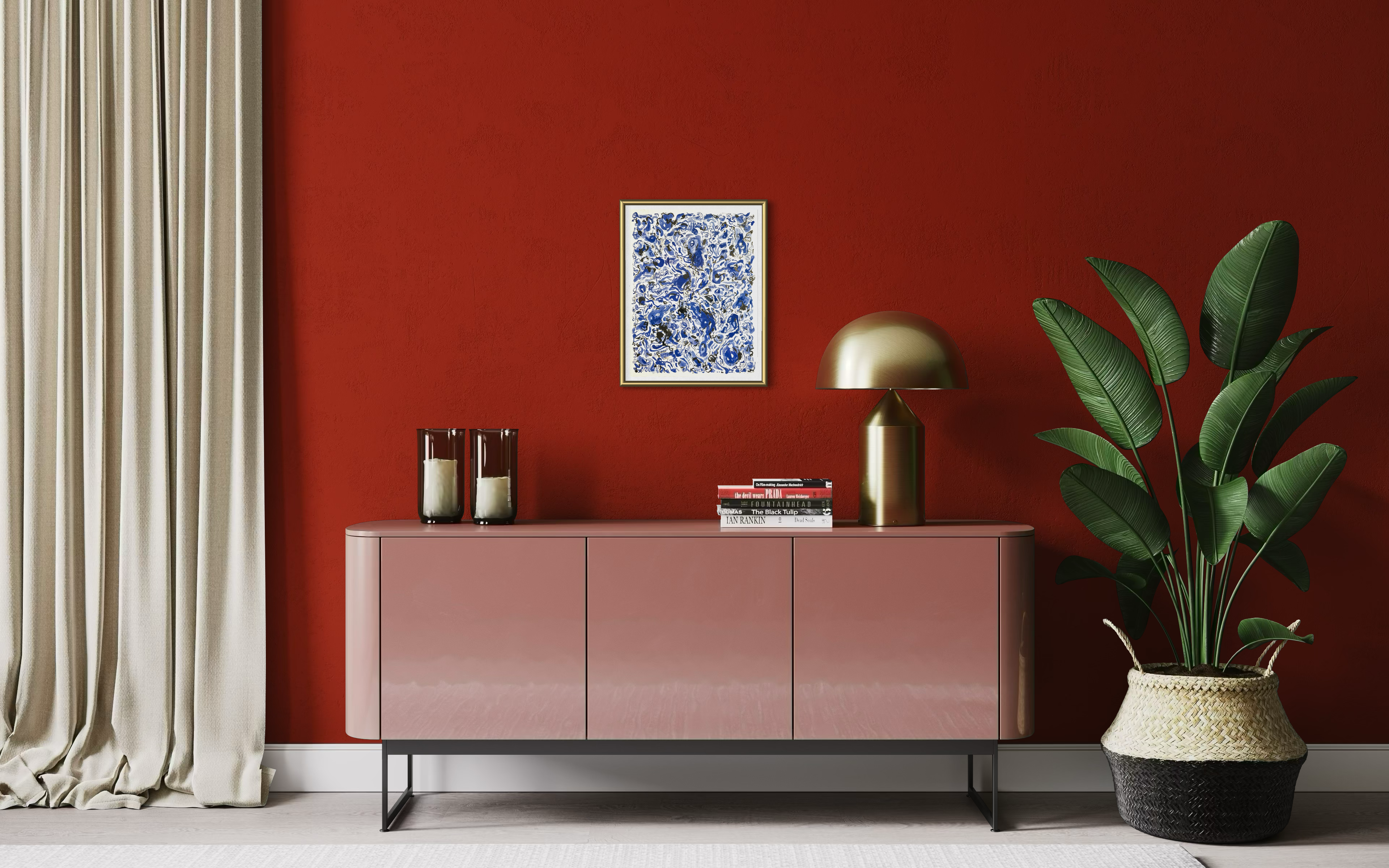
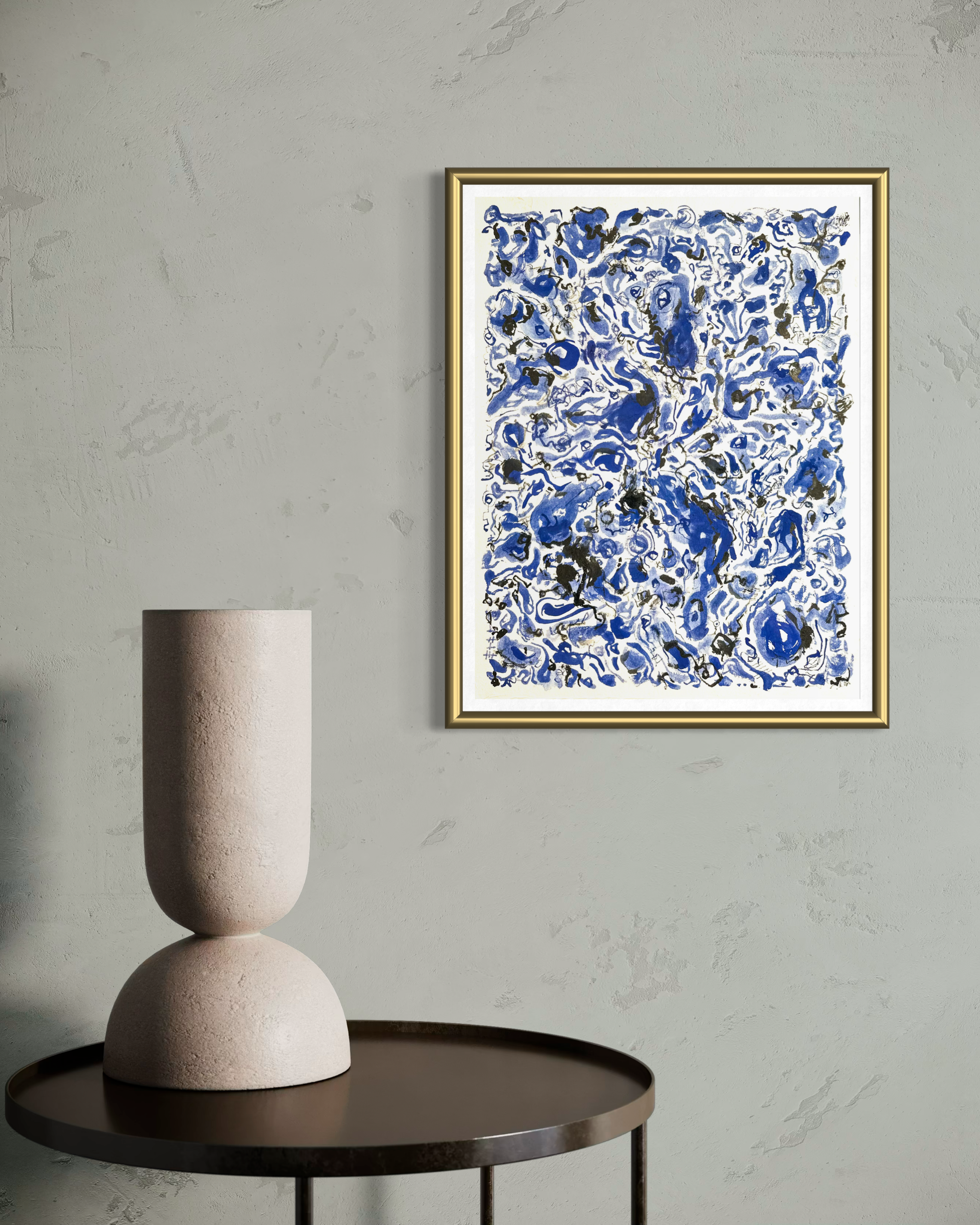
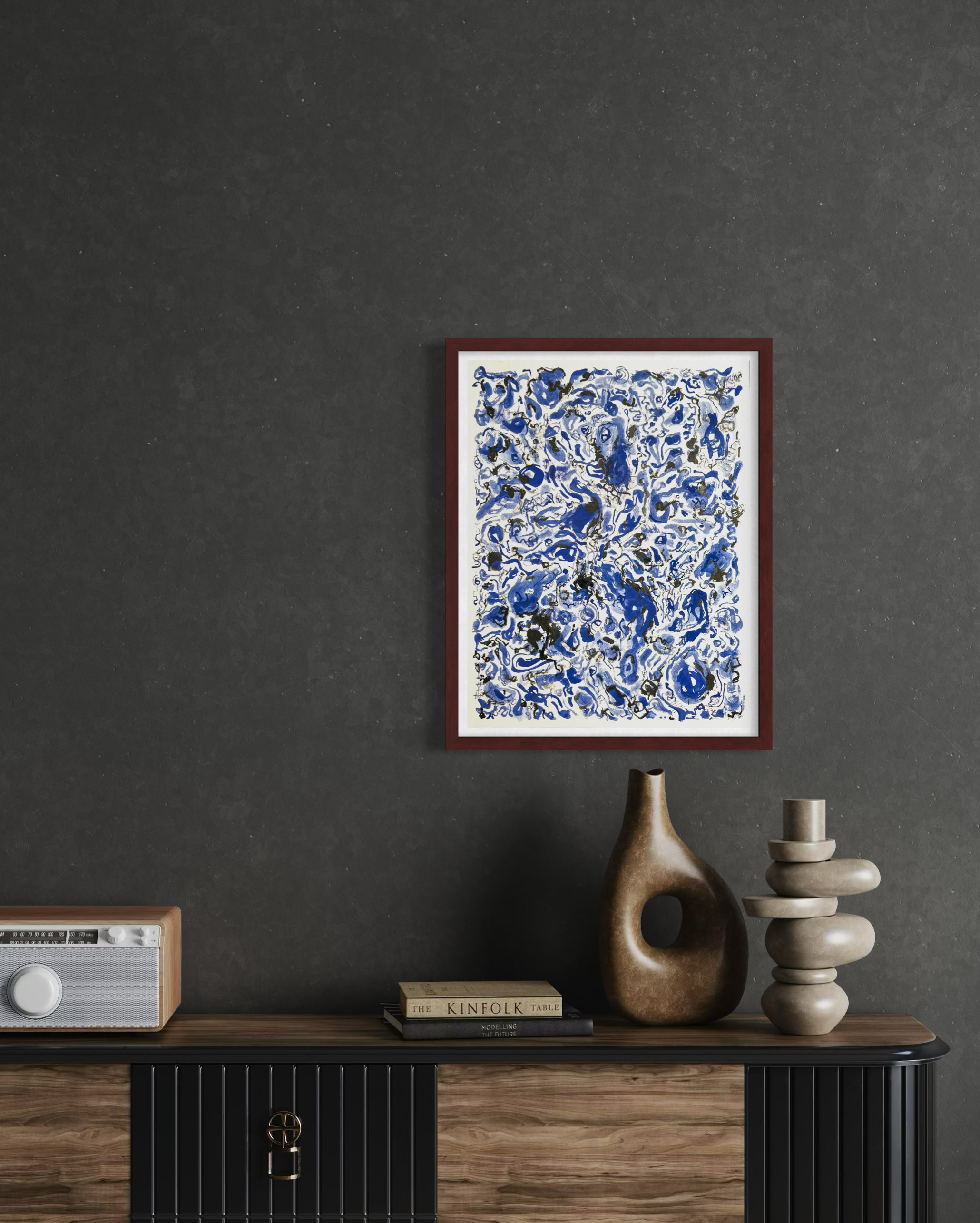
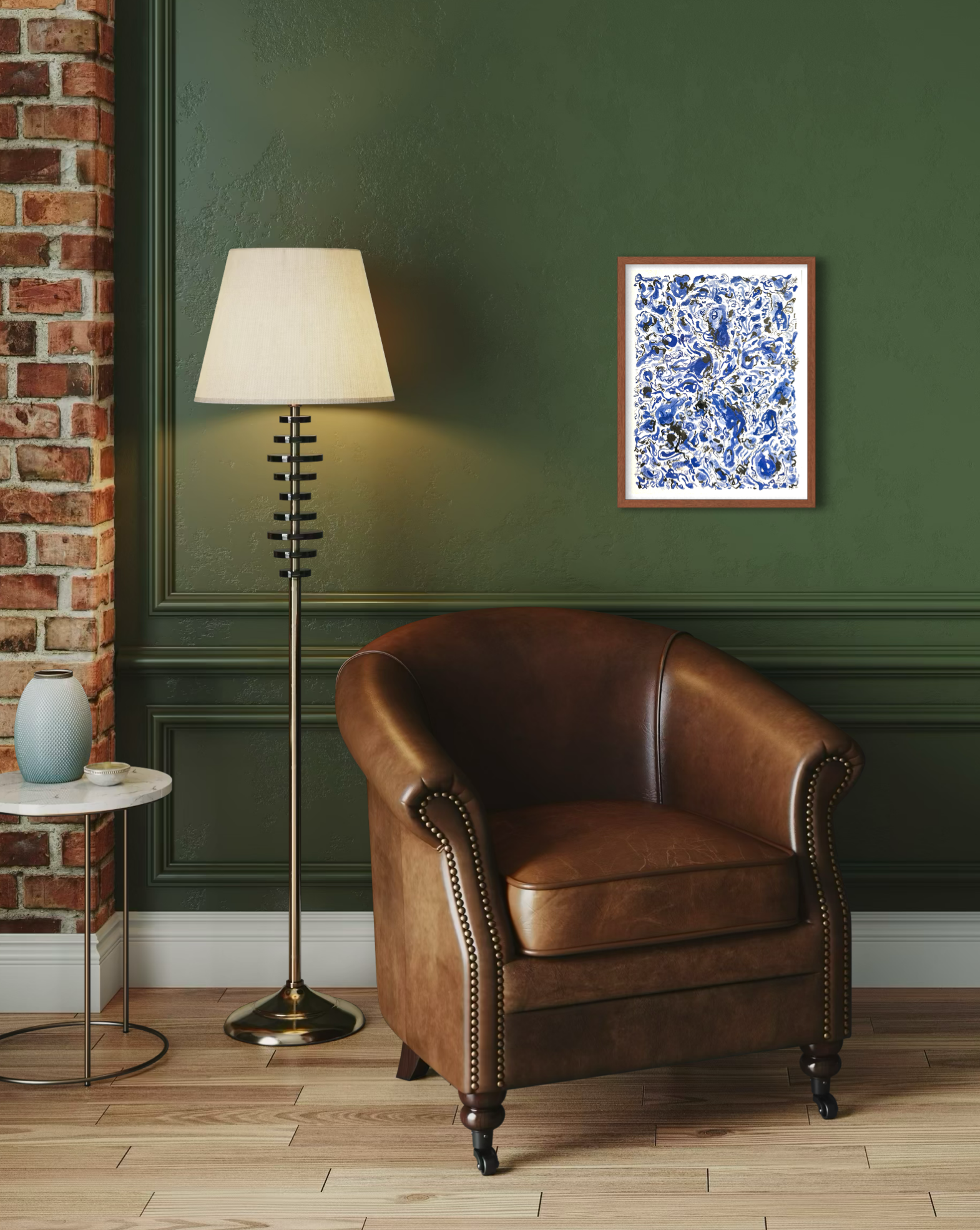
PREX MEA #5
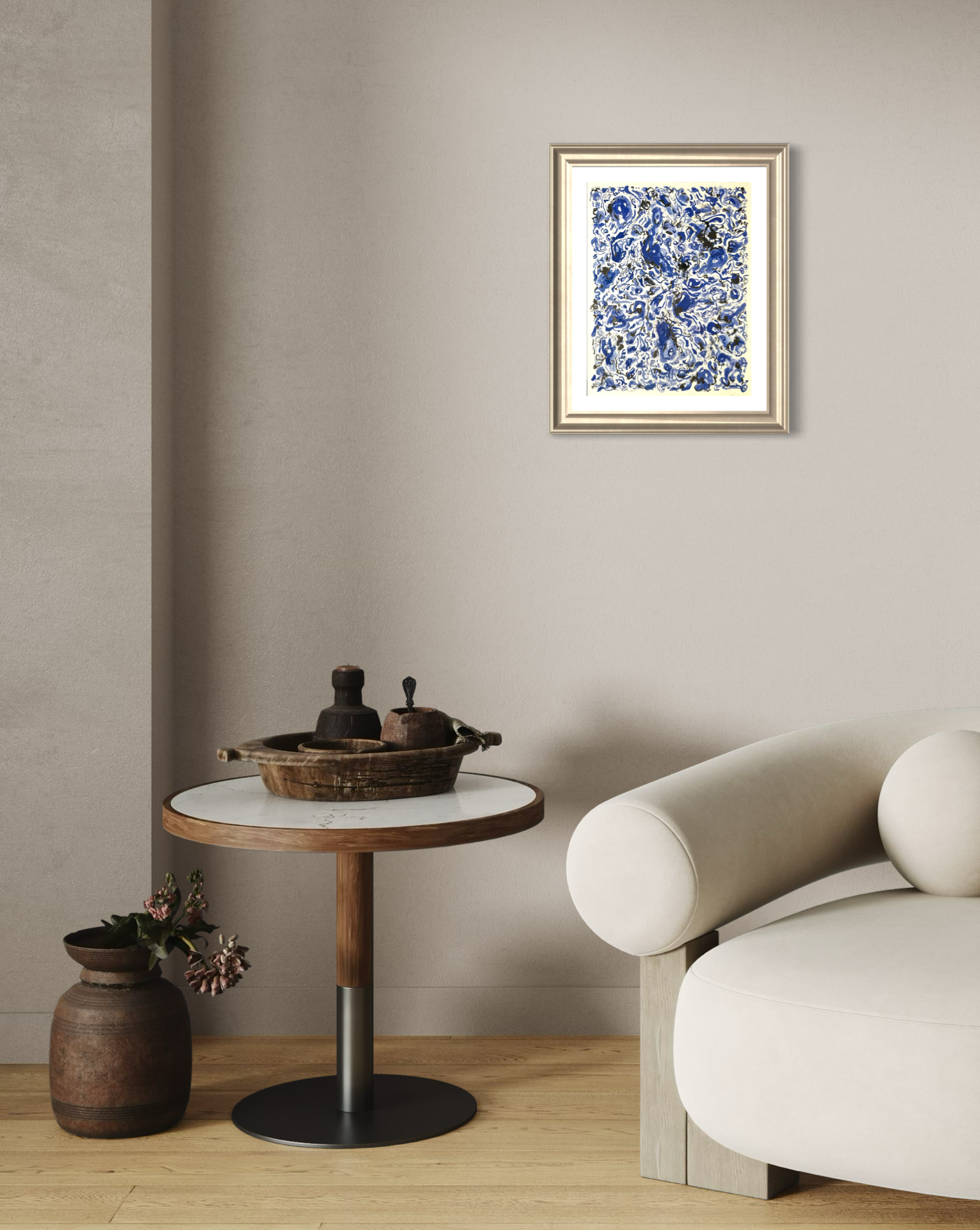
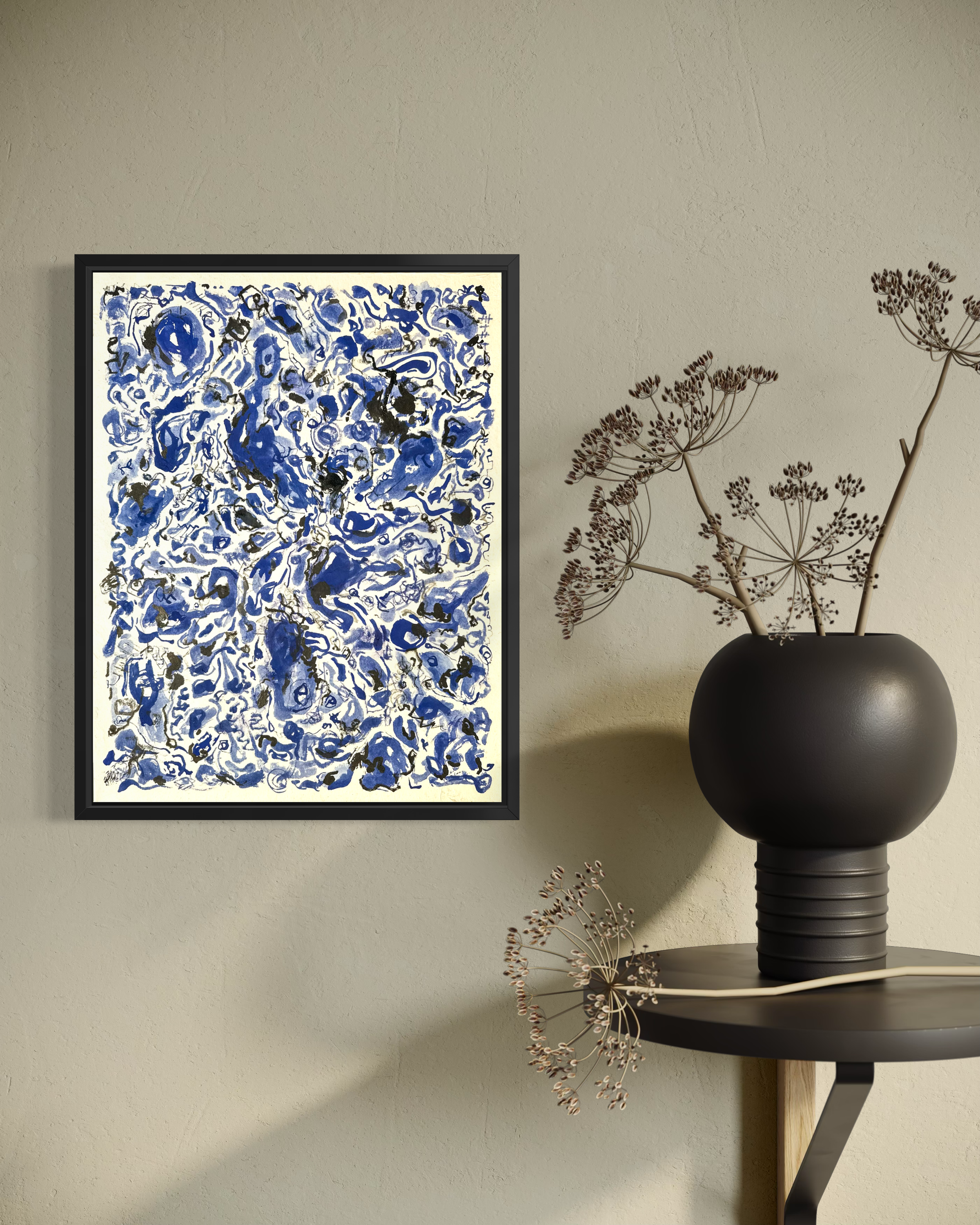
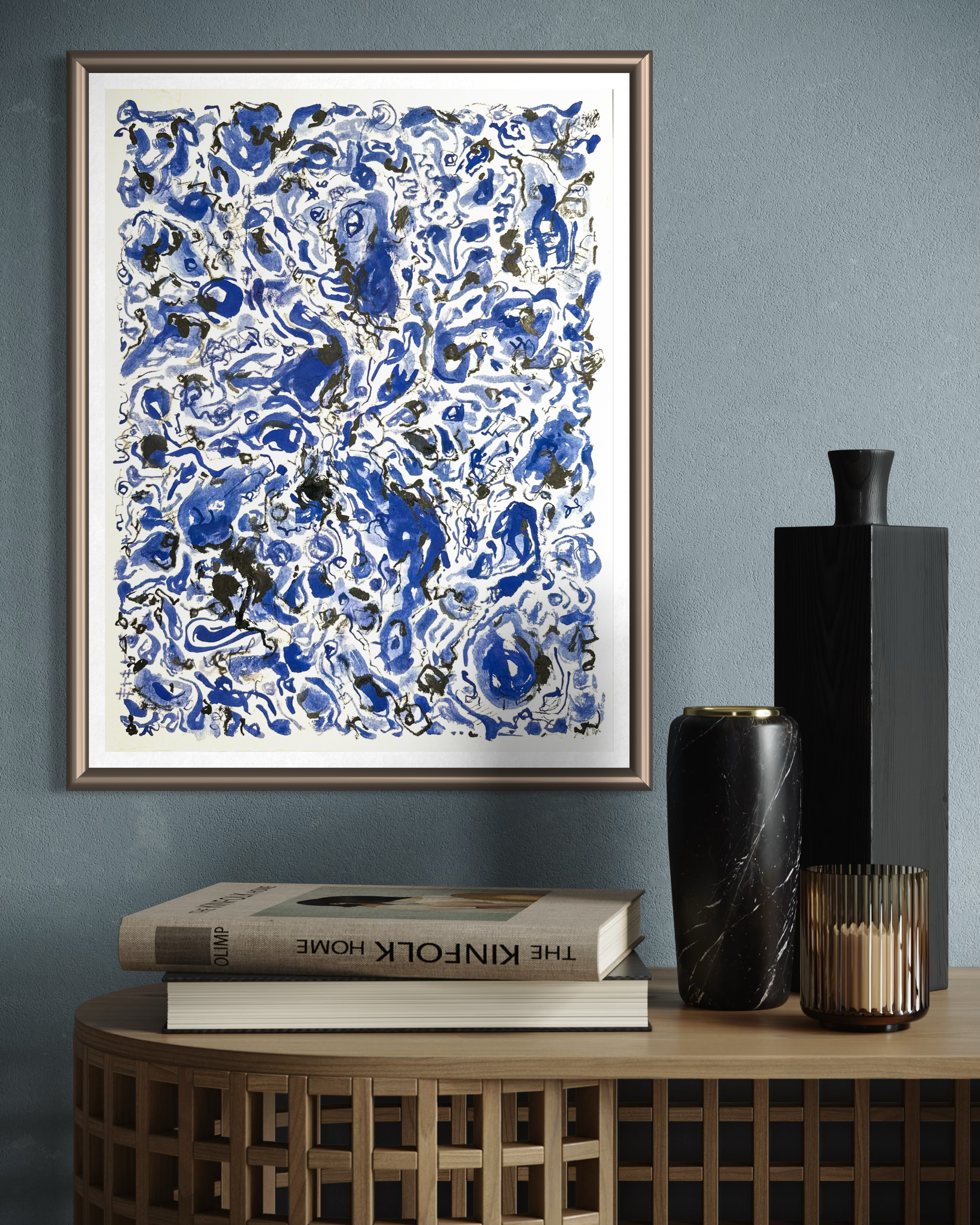
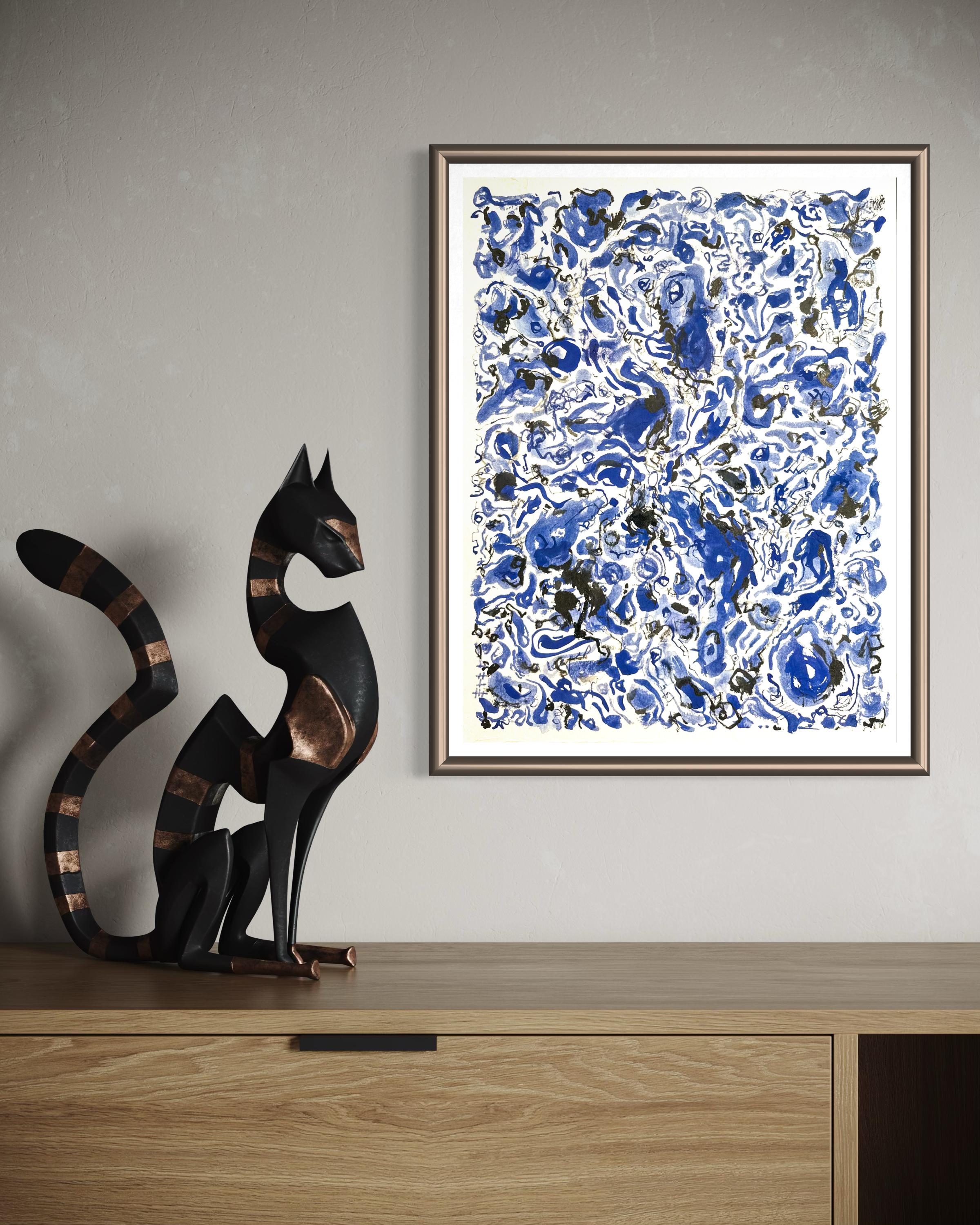
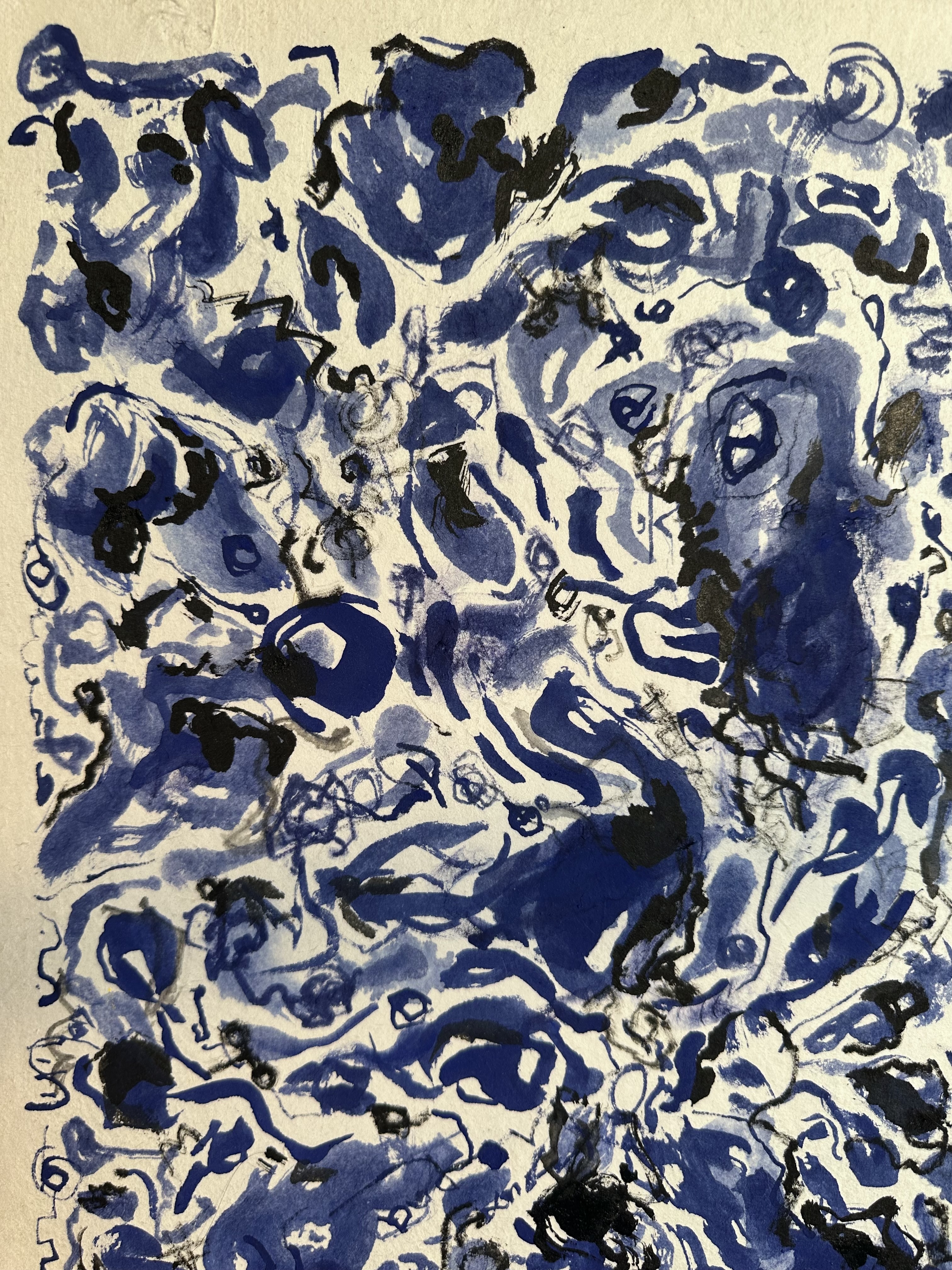
동류 同流 (Dongryu) — Adrift, Together
53.0 × 40.9 cm (P10)
https://jonathank.tistory.com
https://buly.kr/2qaiNlR
https://www.singulart.com/en/artworks/kim-jun-sung-prex-mea-5-2664247
For much of my life, I lived in friction with the world.
I could not simply pass by what felt wrong, and I always wanted to move what refused to move.
Painting became an extension of that impulse.
But at some point, I came to understand something.
The desire to change the world is not the only form of prayer.
To look together, to endure together,
and to breathe together within the same reality can also be a form of prayer.
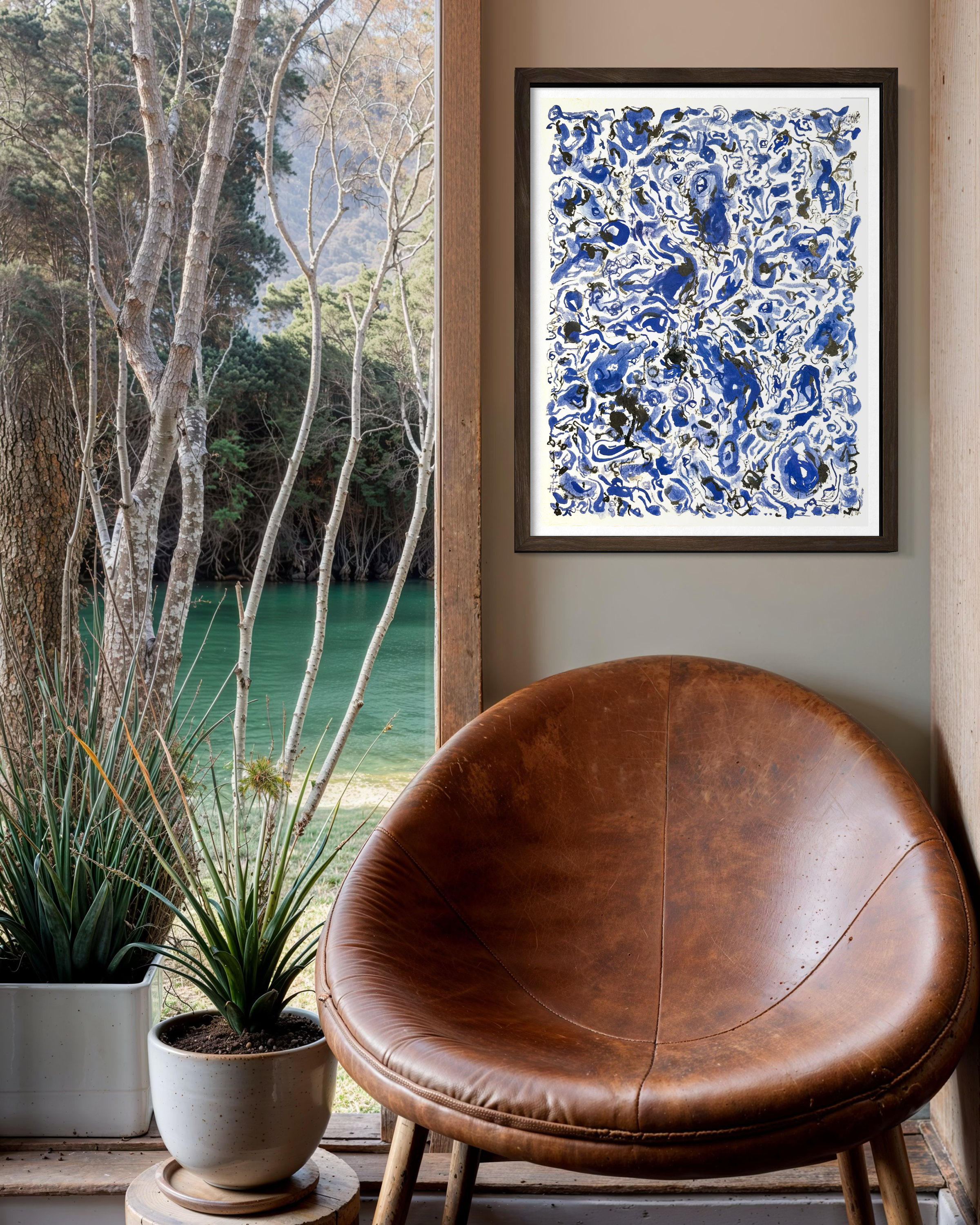
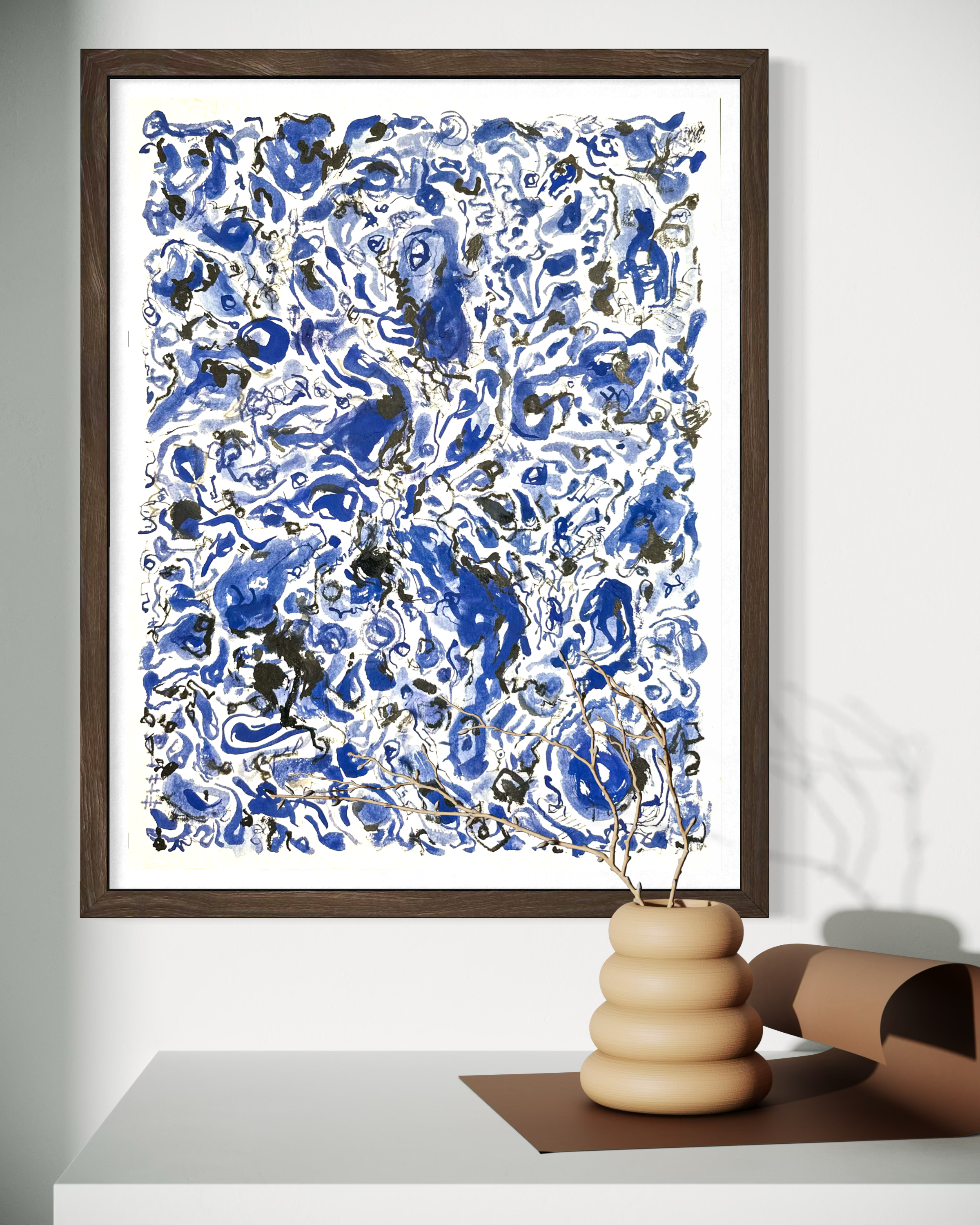
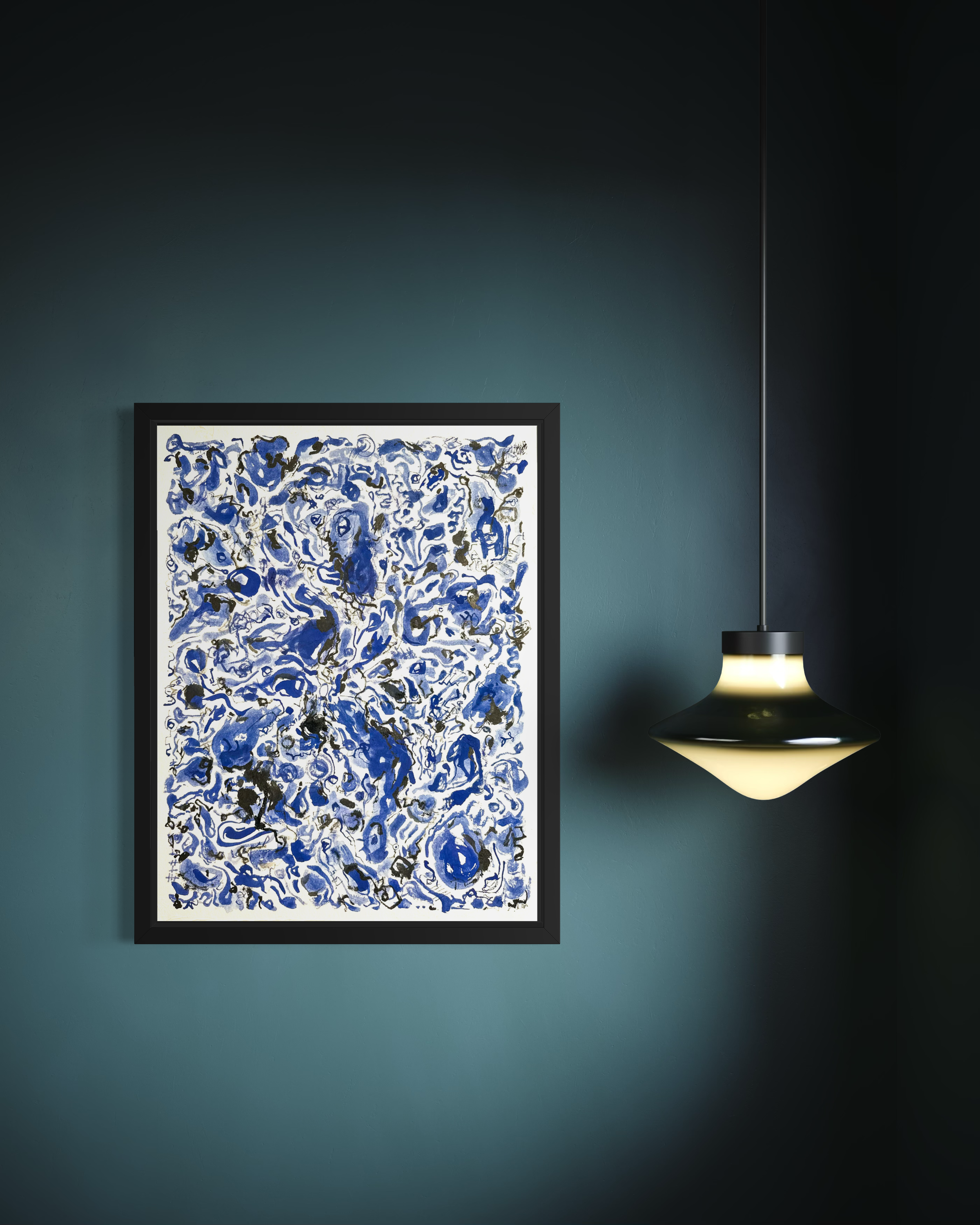
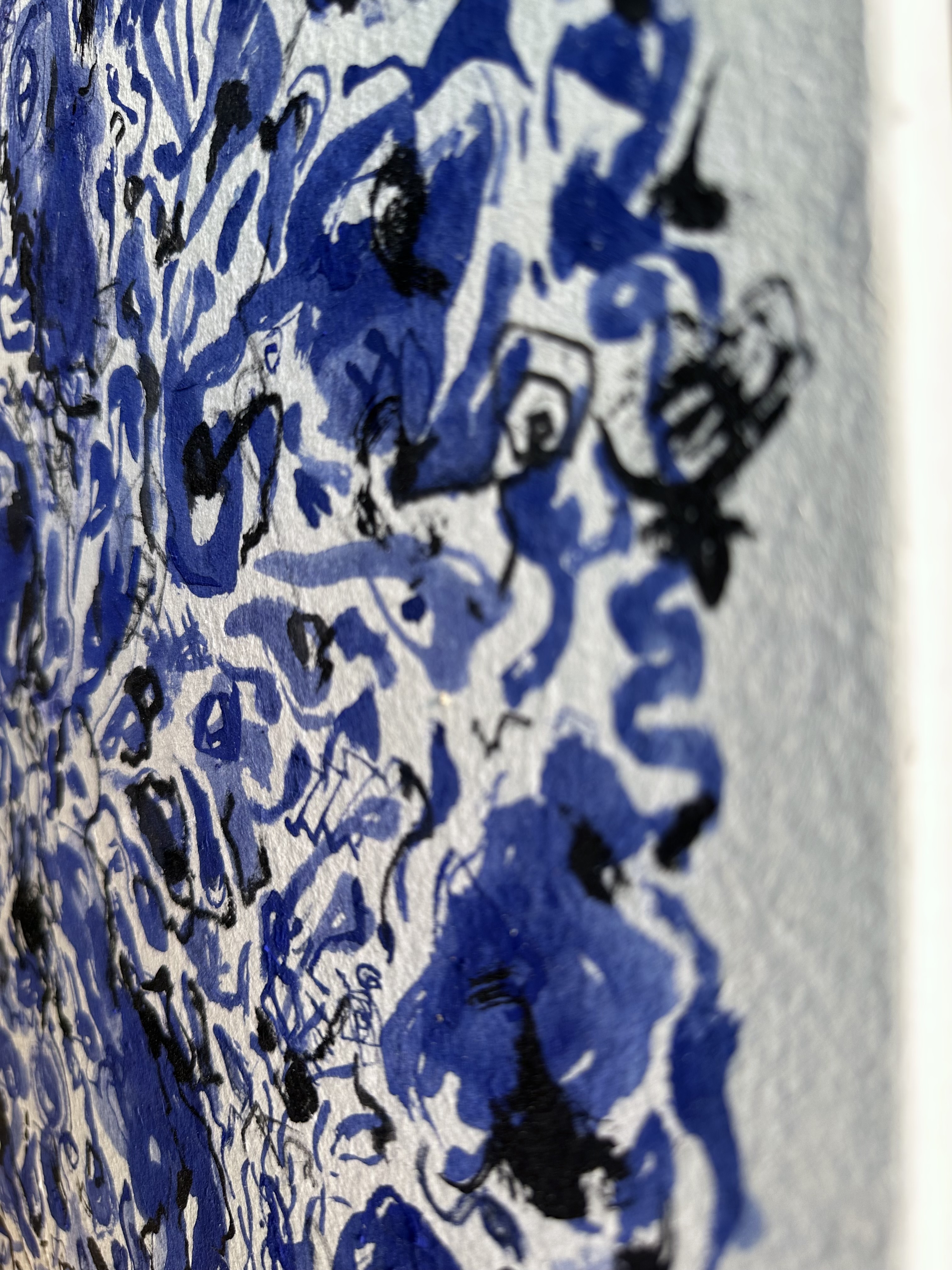
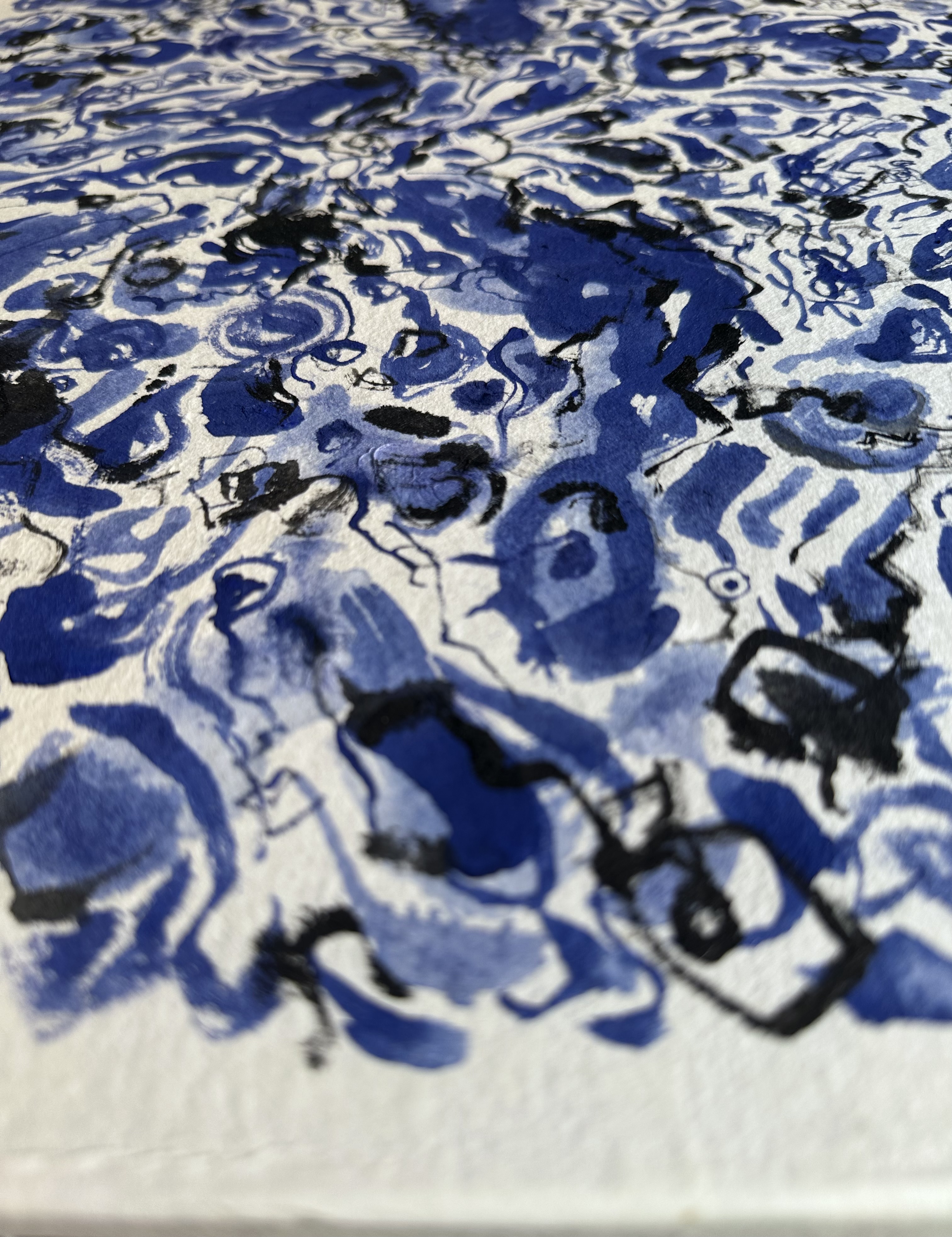
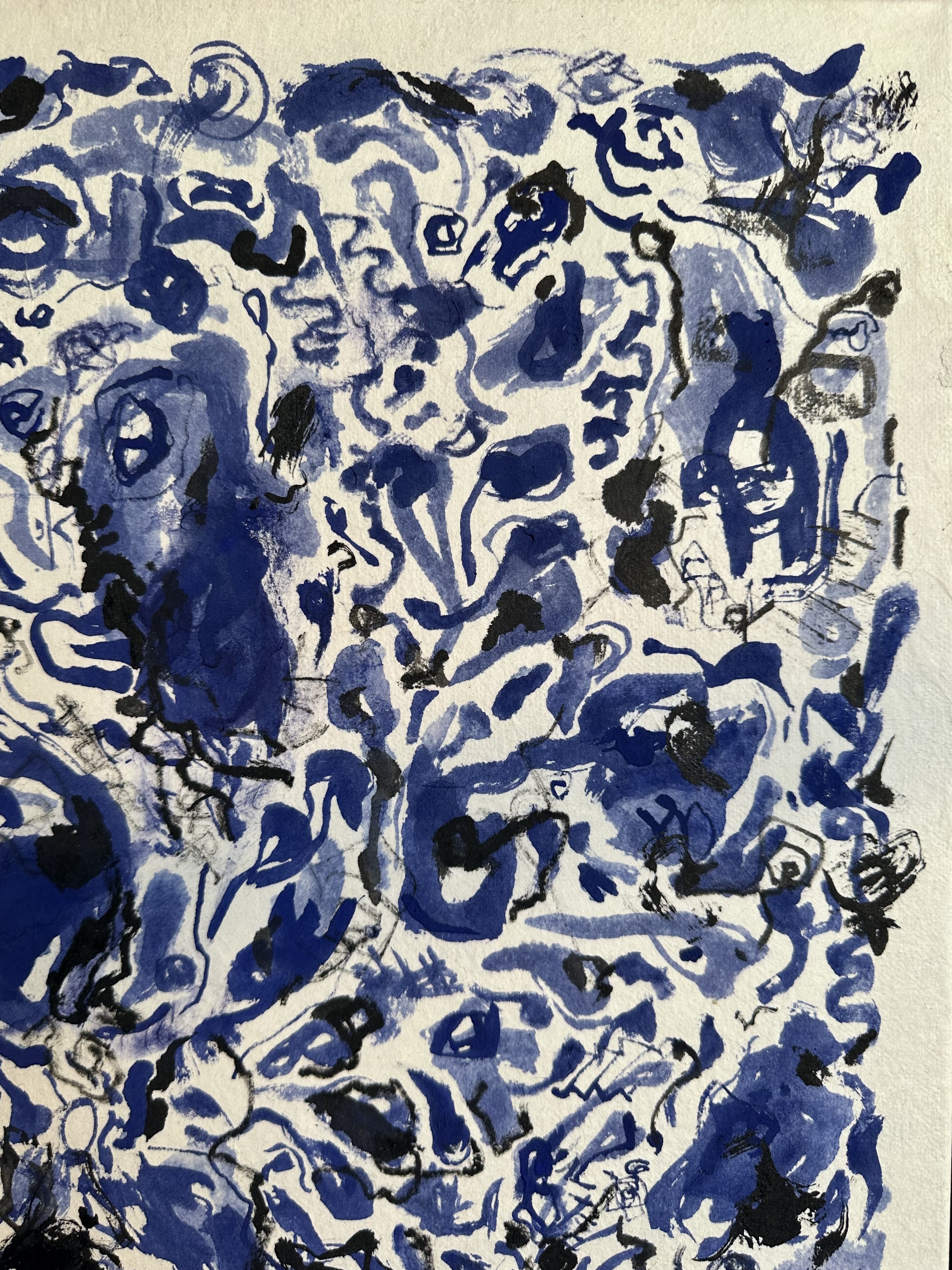
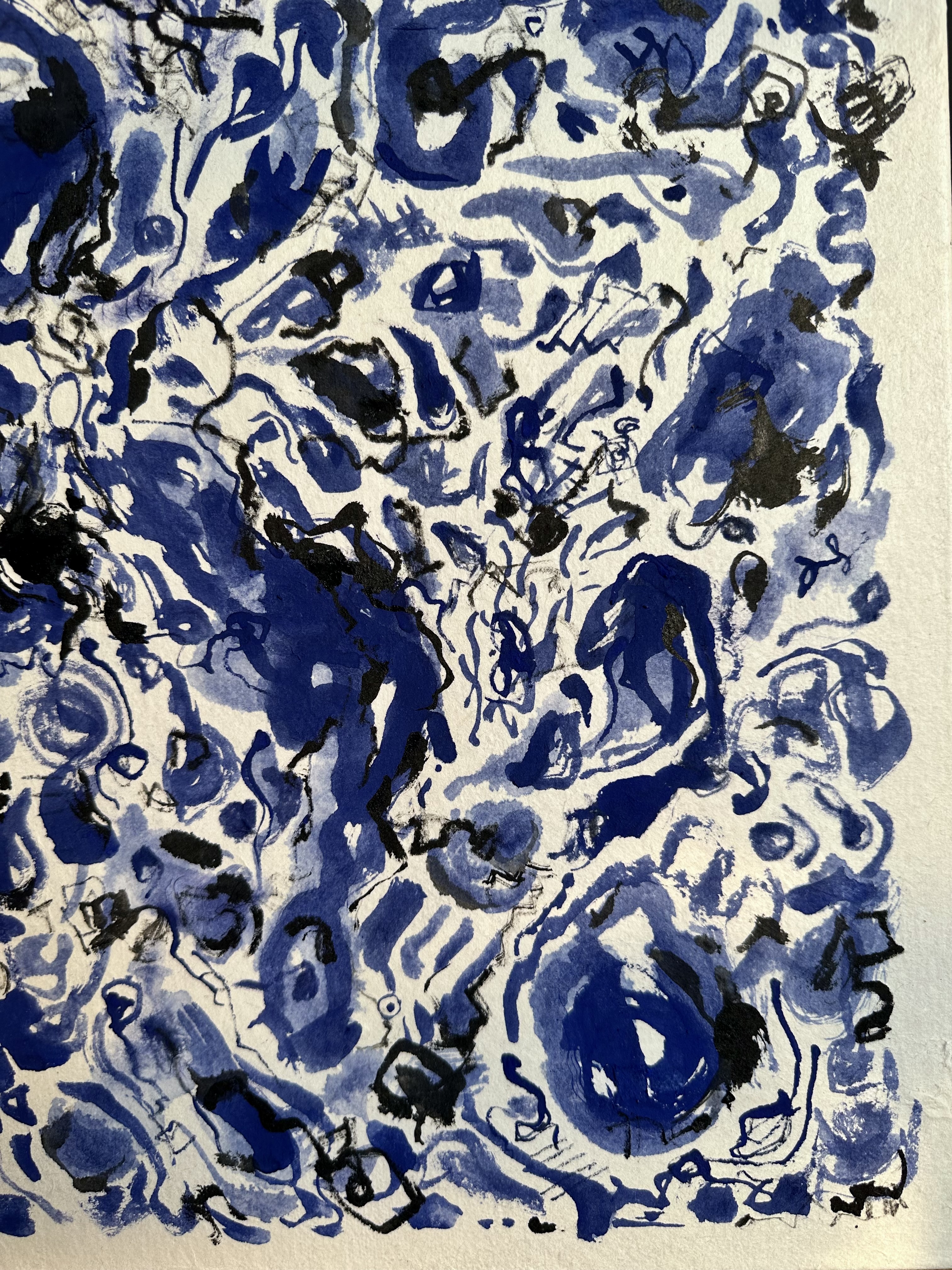
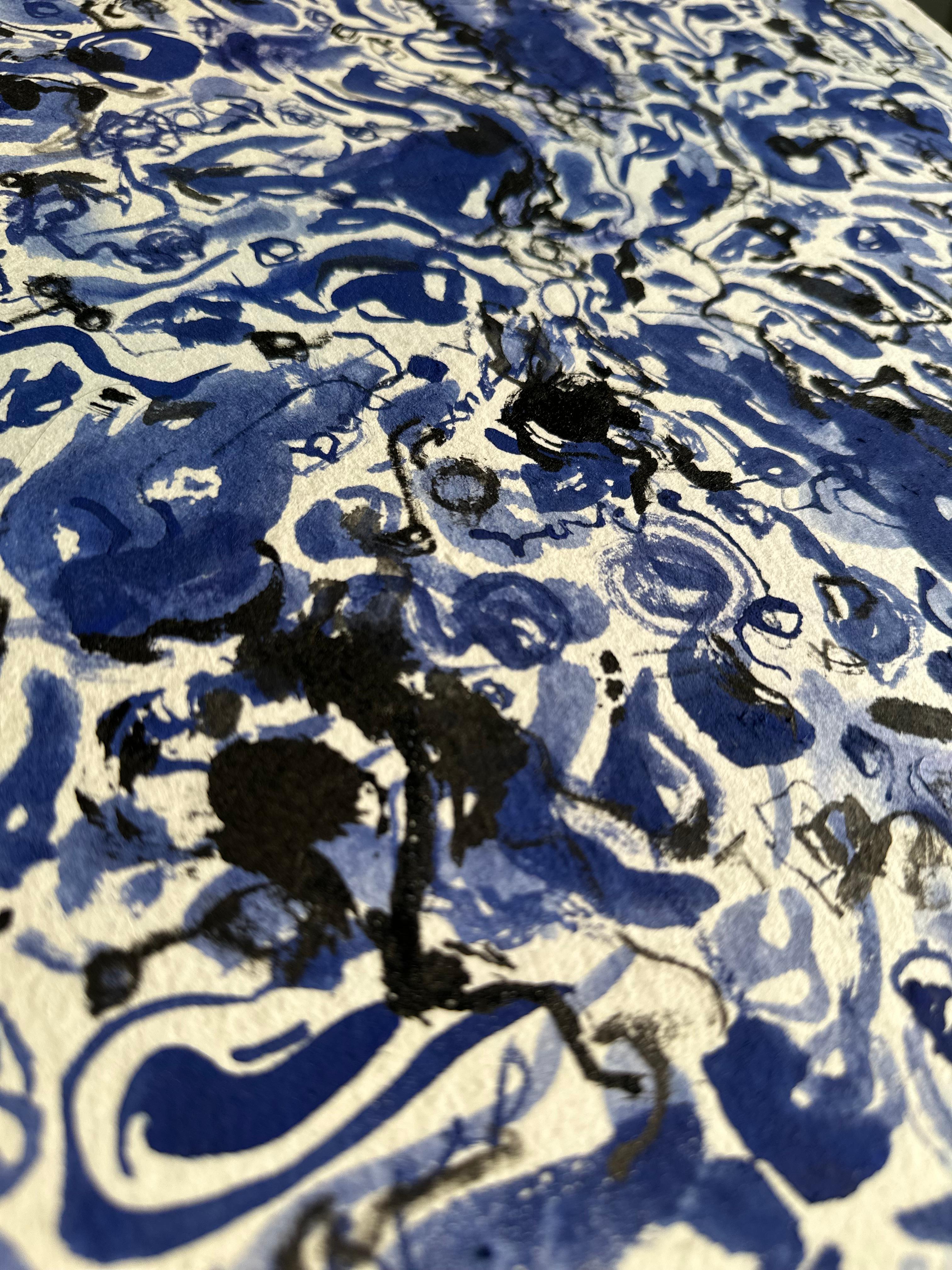
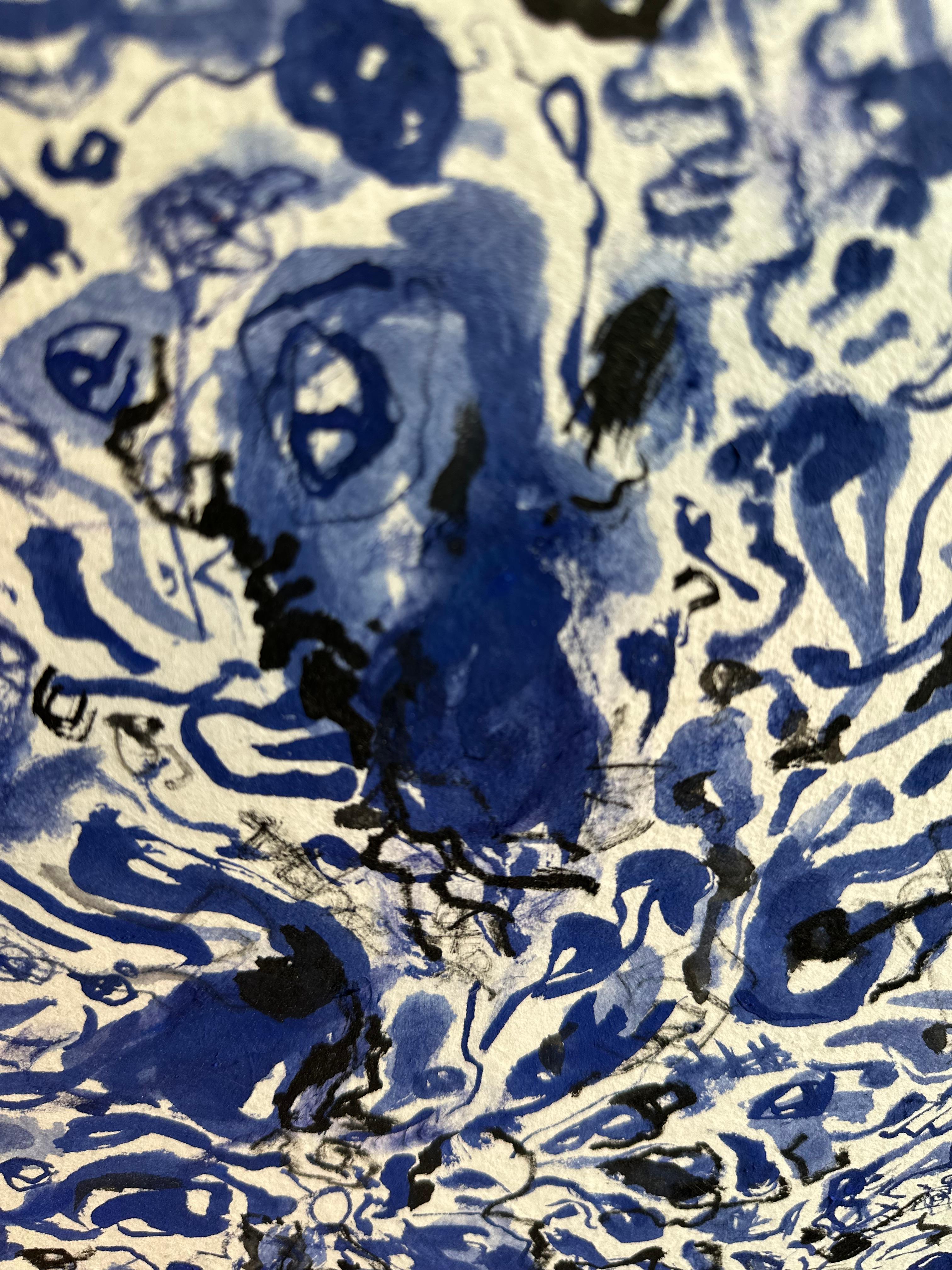
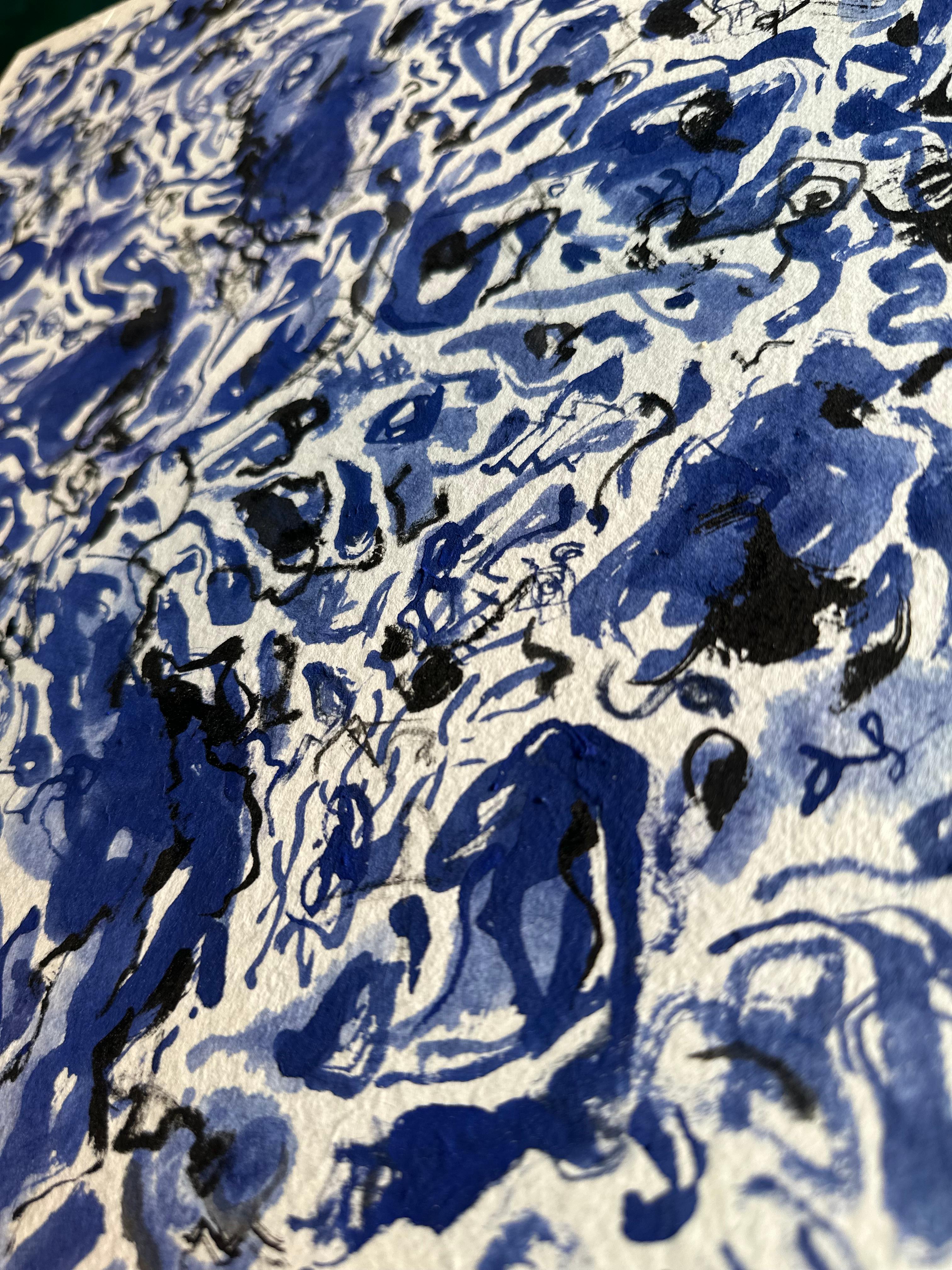
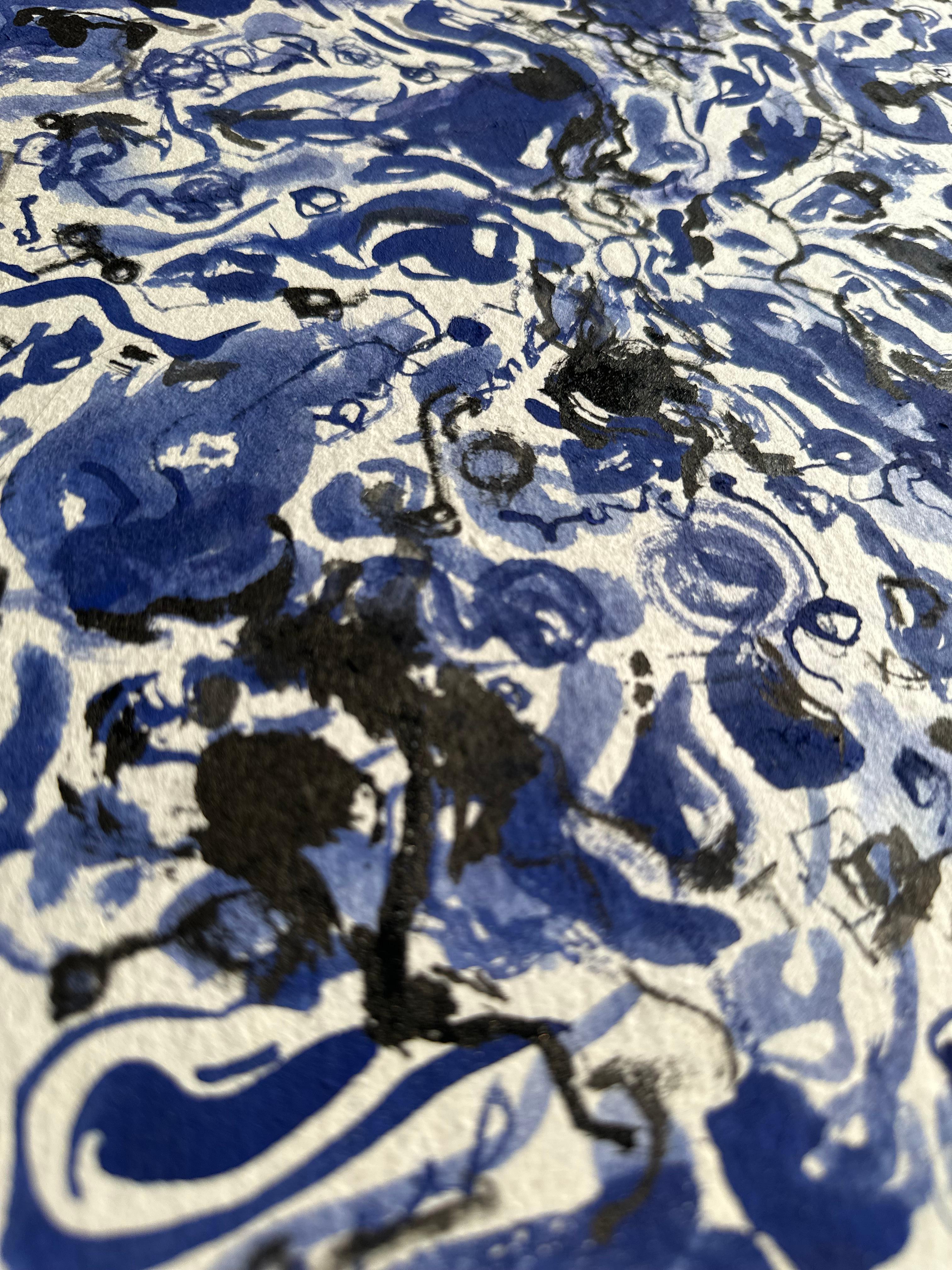
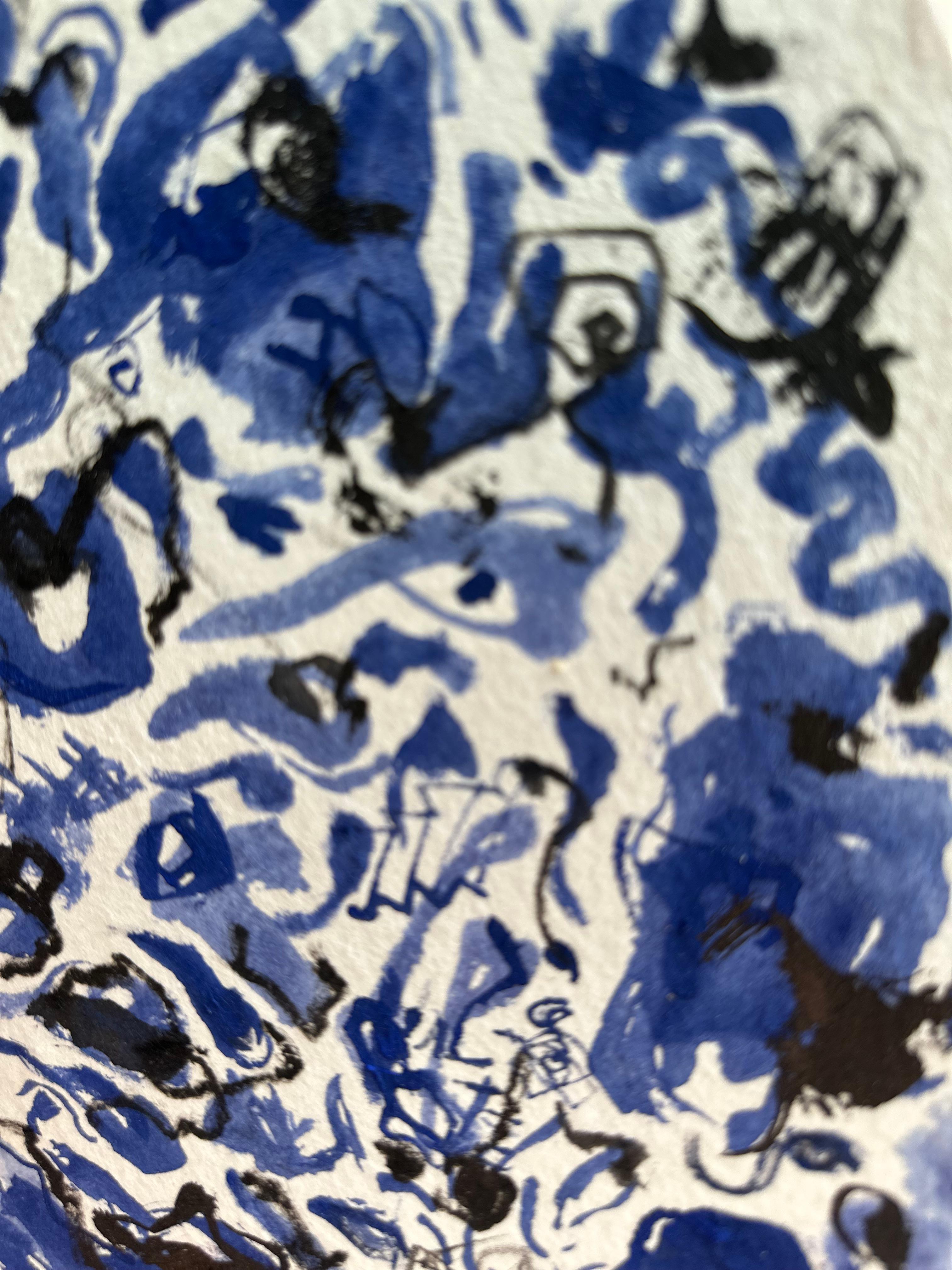
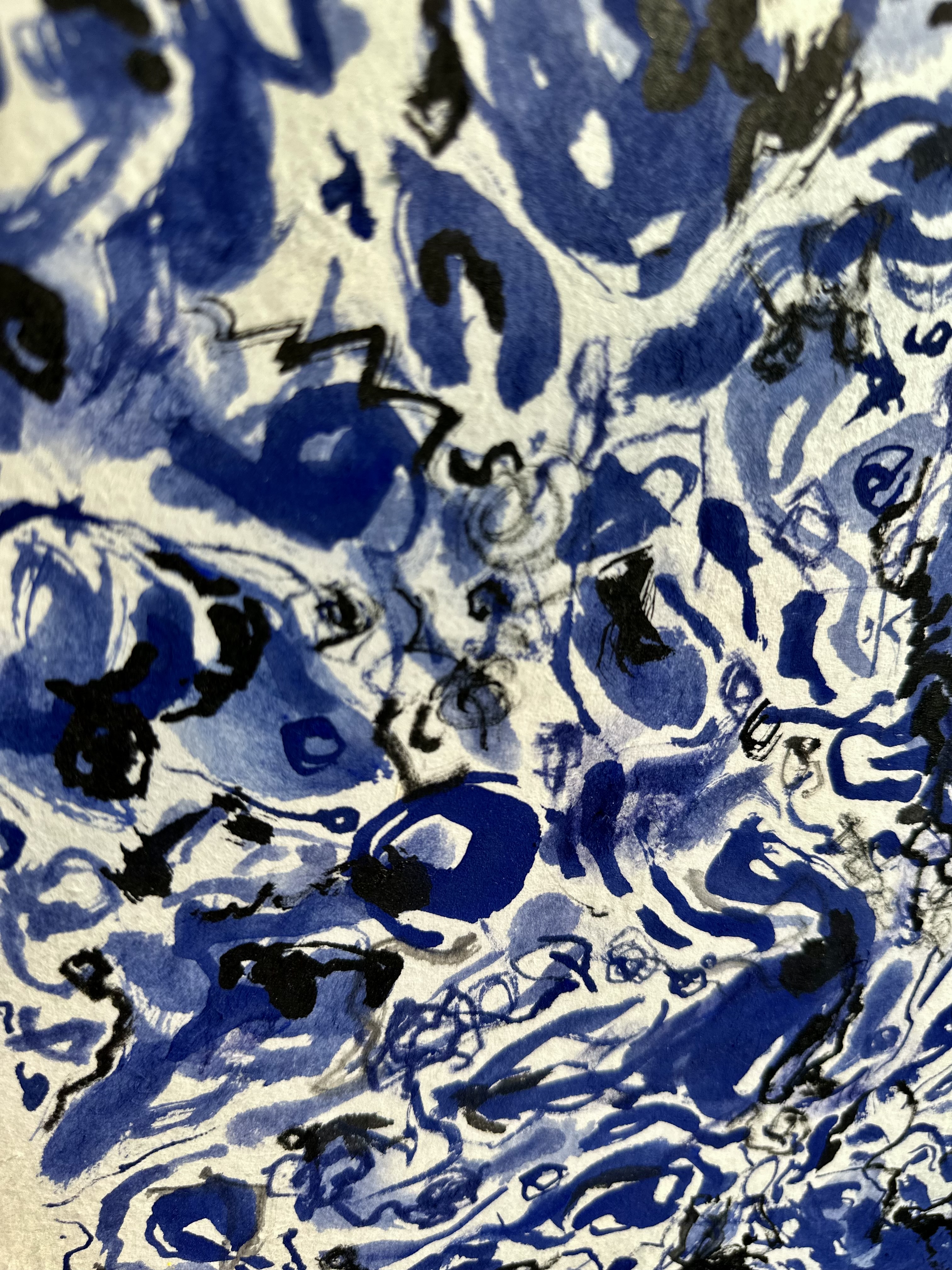
In this work, indigo and ink do not seek to overcome one another.
Each retains its own weight and velocity while sharing the same field.
Dongryu (同流).
Drifting through the currents of life together, sharing the same sigh beneath the same burdens.
This has become my prayer.
오랫동안 나는 세상과 부딪치며 살아왔다.
잘못된 것을 그냥 지나치지 못했고, 움직이지 않는 것을 움직이고 싶었다.
그림 또한 나에게는 그런 마음의 연장이었다.
하지만 어느 순간 알게 되었다.
세상을 바꾸고자 하는 마음만이 기도는 아니라는 것을.
같은 현실을 살아가는 사람들과 함께 바라보고, 함께 견디고, 함께 숨 쉬는 것 또한 기도가 될 수 있다는 것을.
이 작품에서 남색과 먹은 서로를 이기려 하지 않는다. 각자의 무게와 속도를 지닌 채 하나의 화면을 함께 흐른다.
同流.
같이 세파에 떠흘러가는 삶, 그 속에서 같아진 한숨을 내쉬는 일.
이제 이것이 나의 기도가 되었다.
For many years, I believed that sincerity revealed itself through action.
Whenever I encountered injustice, contradiction, or failure, my instinct was to push against it.
I wanted to change what seemed immovable. Painting often became a place where that impulse took shape.
That part of me has never disappeared.
The ink in this work still carries traces of that temperament. Its movement is direct, quick, and restless.
It continues to search, cross boundaries, and press forward.
Yet while working on this painting, I found myself paying equal attention to something else.
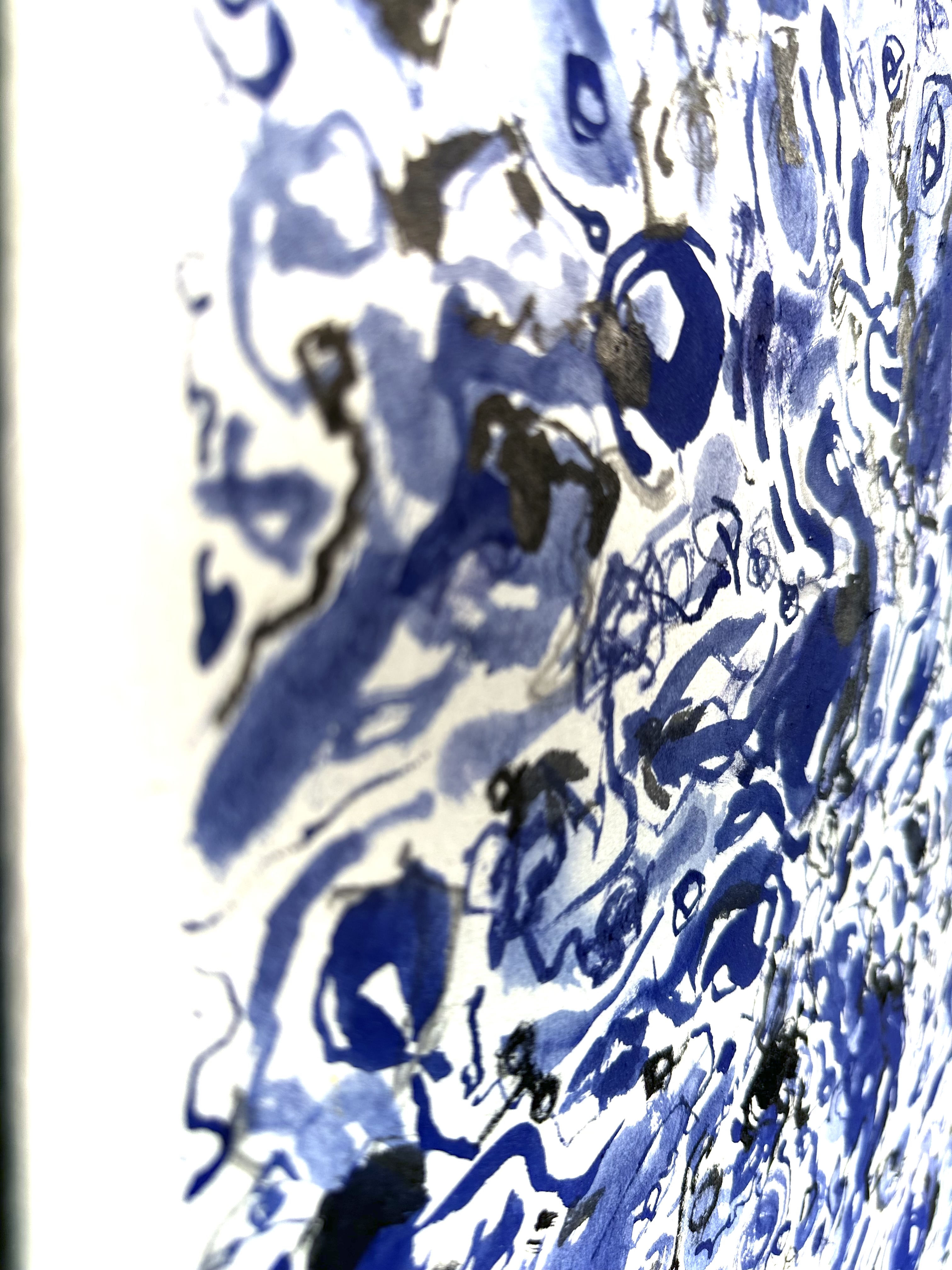
The indigo moves differently. It gathers, settles, and deepens through repetition.
It carries weight without insisting on direction.
As the work developed, I became aware that neither material was trying to defeat the other.
The ink remained ink.
The indigo remained indigo.
Neither surrendered.
Neither prevailed.
They simply continued together.
That realization gradually became the heart of this work.
The title Dongryu (同流) does not mean agreement, nor does it mean becoming the same.
It speaks of sharing the same current while remaining different.
After living in this world for many years, I began to understand that not every prayer asks for change.
Sometimes prayer begins when we recognize one another within the same flow of life.
Sometimes it begins with a shared sigh.
오랫동안 나는 진심이란 결국 행동으로 증명되는 것이라고 믿어왔다.
부조리와 모순, 실패를 마주할 때마다 맞서고 싶었다. 움직이지 않는 것을 움직이고 싶었다.
그림은 그런 충동이 형태를 얻는 장소이기도 했다.
그 마음은 지금도 사라지지 않았다.
이 작품 속 먹은 여전히 그런 기질을 품고 있다. 먹의 움직임은 빠르고 직접적이며, 끊임없이 앞으로 나아가려 한다.
하지만 이 그림을 작업하면서 나는 또 다른 것에도 시선을 두게 되었다.
남색은 다르게 움직인다.
그것은 모이고, 가라앉고, 반복 속에서 깊어진다.
방향을 주장하지 않으면서도 자신의 무게를 지닌다.
작업이 진행될수록 나는 두 물질이 서로를 이기려 하지 않는다는 사실을 느끼게 되었다.
먹은 먹으로 남고,
남색은 남색으로 남는다.
어느 것도 굴복하지 않는다.
어느 것도 승리하지 않는다.
그저 함께 흘러간다.
나는 어느 순간 그것이 이 작품의 중심이라는 것을 깨달았다.
同流.
그것은 같은 생각을 뜻하지 않는다.
같아지는 것을 뜻하지도 않는다.
서로 다른 채로 같은 흐름을 살아가는 것을 뜻한다.
오랜 시간 같은 세상을 살아오며 나는 알게 되었다.
모든 기도가 변화를 요구하는 것은 아니라는 것을.
어떤 기도는 같은 흐름 속에 있는 서로를 알아보는 데서 시작된다는 것을.
어떤 기도는 함께 내쉬는 한숨에서 시작된다는 것을.
For a long time, I thought prayer belonged to desire.
When I met injustice, contradiction, or failure, my instinct was rarely to accept it. I wanted to push. I wanted movement where there was stagnation. Many of my paintings came from that instinct, and in some ways they still do — the energy never left me.
The ink in this painting still carries it. Its marks move fast, crossing the surface, gathering into knots, slipping away before they finish becoming anything. They search. They press. They carry the same urgency that has driven every mark I've made before this one.
But this time, I let something else stay in the room with it.
The indigo built itself slowly, in layers, the way weight settles rather than the way force strikes. In places I worked it until it went nearly opaque, thick enough to swallow whatever crossed it. In other places I thinned it on purpose, until the hanji's own warmth showed faintly through, like breath under a thick coat. I knew the risk going in — that this much blue could bury the ink entirely, erase it before it ever registered. I built the density anyway, then spent days adjusting where it should hold and where it should let go.
And then I watched the ink go in.
It didn't slow down for the blue's sake. It cut straight through some of it, indifferent. It curled into other parts and slipped back out. It still moved at its own speed, exactly as fast as it always has.
I kept waiting for one of them to lose.
The blue to flatten the ink into nothing. The ink to cut the blue into pieces too thin to matter. Neither happened. The indigo kept its full weight. The ink kept its full velocity. They simply continued, side by side, taking nothing from each other.
I have lived in this same world long enough now that I no longer expect most of what's wrong in it to be fixed in my lifetime. That used to feel like defeat. I'm not sure it does anymore.
Somewhere in the months of working this surface — adjusting one more layer of blue, letting one more line of ink run where it wanted — I noticed that the painting wasn't asking the two materials to resolve into agreement. It was just letting them stay. Fully themselves. In the same field. Without needing to win.
Dongryu (同流) doesn't mean sameness. It doesn't mean the fight is over, or that I've stopped wanting things to change. It means something closer to this: that two things, still entirely what they are, can move through the same current without canceling each other out — and that this, too, can be a kind of rest.
I used to think a prayer needed something to ask for.
This one doesn't ask. It just stays on the surface, indigo and ink, breathing the same field — the way two people who've carried the same long years sometimes sit together and say nothing, and that, somehow, is enough.
That quiet is what I painted.
오랫동안, 나는 기도가 욕망에 속해 있다고 생각했다. 내가 불의, 모순, 또는 실패를 마주했을 때, 나의 본능은 그것을 수용하는 경우가 드물었다. 나는 밀어붙이고 싶었다. 나는 정체가 있는 곳에 움직임이 있기를 원했다. 나의 많은 그림들이 그 본능에서 나왔고, 어떤 면에서는 지금도 그렇다 — 그 에너지는 나를 떠난 적이 없다.
이 그림 속의 먹은 여전히 그것을 품고 있다. 그것의 흔적들은 빠르게 움직이며 표면을 가로지르고, 매듭으로 모이고, 그것들이 완전히 무언가가 되기 전에 미끄러져 달아난다. 그것들은 탐색한다. 그것들은 압박한다. 그것들은 이 작품 이전에 내가 만들었던 모든 흔적을 구동했던 것과 동일한 절박함을 실어 나른다.
하지만 이번에는, 나는 다른 무언가가 그것과 함께 그 방에 머물도록 두었다.
남색은 힘이 타격하는 방식이라기보다는 무게가 가라앉는 방식으로, 켜켜이, 스스로를 천천히 쌓아 올렸다. 어떤 곳들에서 나는 그것이 거의 불투명해질 때까지 작업했는데, 그것을 가로지르는 무엇이든 삼켜버릴 만큼 두꺼웠다. 다른 곳들에서는 일부러 그것을 얇게 만들었는데, 두꺼운 외외투 아래의 숨결처럼, 한지 자체의 온기가 희미하게 비쳐 보일 때까지였다. 나는 들어가면서 그 위험을 알고 있었다 — 이만큼의 파란색이 먹을 완전히 파묻어버릴 수 있고, 그것이 기록되기도 전에 지워버릴 수 있다는 것을. 나는 어쨌든 그 밀도를 구축했고, 그다음 그것이 어디서 버텨야 하고 어디서 놓아주어야 하는지를 조정하며 며칠을 보냈다.
그리고 그러고 나서 나는 먹이 들어가는 것을 지켜보았다.
그것은 파란색을 위해 속도를 늦추지 않았다. 그것은 무심하게 그것의 일부를 곧장 가로질렀다. 그것은 다른 부분들 속으로 말려 들어갔다가 다시 미끄러져 빠져나왔다. 그것은 여전히 그것 자체의 속도로 움직였는데, 그것이 항상 그래왔던 것만큼 정확히 빨랐다.
나는 그것들 중 하나가 지기를 계속 기다렸다.
파란색이 먹을 아무것도 아닌 것으로 납작하게 만들거나. 먹이 파란색을 중요하지 않을 만큼 너무 얇은 조각들로 잘라버리거나. 둘 다 일어나지 않았다. 남색은 그것의 온전한 무게를 유지했다. 먹은 그것의 온전한 속도를 유지했다. 그것들은 서로에게서 아무것도 빼앗지 않은 채, 나란히, 그저 계속되었다.
나는 이제 이 똑같은 세상에서 충분히 오래 살아서, 그 안에서 잘못된 것들의 대부분이 내 생애 동안에 고쳐지리라고 더 이상 기대하지 않는다. 그것은 과거에 패배처럼 느껴지곤 했다. 더 이상 그러한지 나는 확신하지 못한다.
이 표면을 작업하는 수개월의 어딘가에서 — 파란색의 한 층을 더 조정하고, 먹의 선 하나가 그것이 원하는 곳으로 달리도록 두면서 — 나는 그 그림이 두 재료에게 합의로 해결하라고 요구하지 않고 있음을 알아차렸다. 그것은 그저 그것들이 머물도록 두고 있었다. 온전히 그들 자신으로. 똑같은 장(場) 안에서. 이길 필요 없이.
동류(同流)는 같음을 의미하지 않는다. 그것은 싸움이 끝났다거나, 혹은 내가 상황이 바뀌기를 원하는 것을 멈추었다는 것을 의미하지 않는다. 그것은 이것에 더 가까운 무언가를 의미한다: 여전히 온전히 그들이 무엇인지인 두 가지가, 서로를 상쇄하지 않으면서 똑같은 물살을 통과해 움직일 수 있다는 것 — 그리고 이것 역시 일종의 휴식이 될 수 있다는 것.
나는 과거에 기도가 구해야 할 무언가를 필요로 한다고 생각하곤 했다.
이것은 구하지 않는다. 그것은 그저 표면 위에 머무르며, 남색과 먹으로, 똑같은 장을 호흡한다 — 똑같은 긴 세월을 짊어온 두 사람이 때때로 함께 앉아 아무 말도 하지 않고, 그것이, 왠지 모르게, 충분한 방식처럼.
그 고요함이 내가 그린 것이다.










'Art > PREX MEA Series' 카테고리의 다른 글
| PREX MEA #6 灼中 (Jakjung) — Held in the Burn (0) | 2026.06.30 |
|---|---|
| Prex Mea. #4 : 침잠(沈潛) - Submergence (0) | 2026.06.16 |
| Prex Mea. #3 : 수색 (守色) : Keeping the Color (0) | 2026.06.10 |
| Prex Mea. #2 (Gwan-jo: Between Event and Density) (0) | 2026.06.07 |
| Prex Mea. #1 (Floating between Image and Gesture) (0) | 2026.06.04 |